Glyndebourne Festival Opera began with a performance of Mozart’s Le nozze di Figaro in 1934. Founded by John Christie and his wife, soprano Audrey Mildmay, it grew from their vision for an opera house on the Glyndebourne estate in East Sussex. Its history has since joined a country-house setting to an annual programme of opera, a purpose-built theatre and work intended to bring productions and opportunities to wider audiences.
A festival takes shape
Christie, described in the existing account as a war veteran and amateur musician, envisaged an opera house at his estate. Mildmay, a soprano, was part of the partnership that made the project possible. The first production, Mozart’s Le nozze di Figaro, established the festival’s association with the composer. Mozart has remained part of the account of Glyndebourne’s repertoire, alongside works from other periods.
The festival’s summer programme is described as combining established operatic works with contemporary pieces. Examples cited from its history include Verdi’s La Traviata, Wagner’s Die Meistersinger von Nürnberg and Benjamin Britten’s The Turn of the Screw. These works span different composers and styles; together they illustrate the range of repertoire associated with the festival, rather than a programme confined to a single composer or period.
A theatre in the Sussex countryside
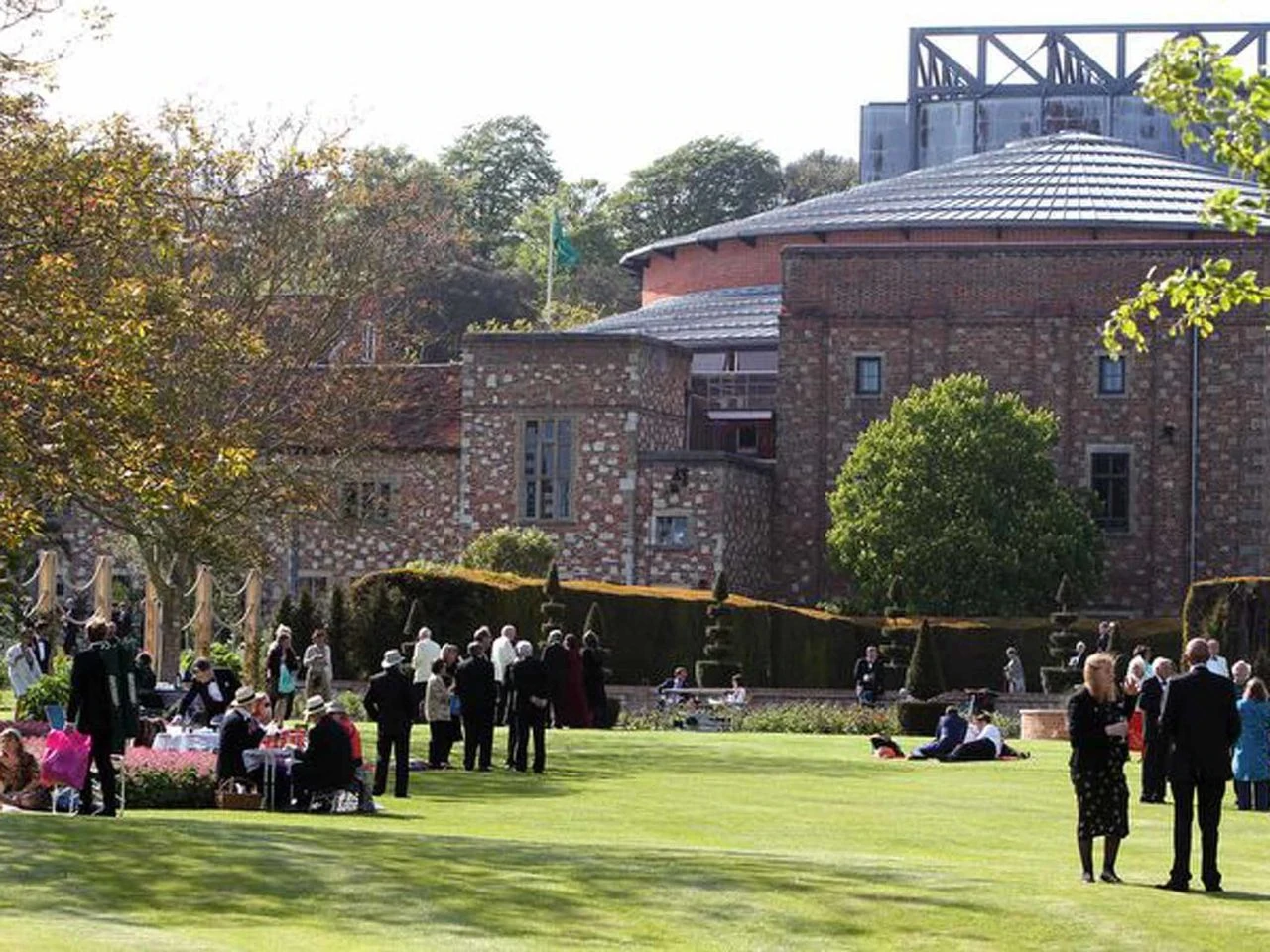
Glyndebourne’s setting is part of the experience described in accounts of the festival. The grounds include gardens where visitors can walk before a performance, and the interval allows time for a picnic. This combination of an opera performance and time outdoors gives the event a character shaped by its location, not only by what happens on stage.
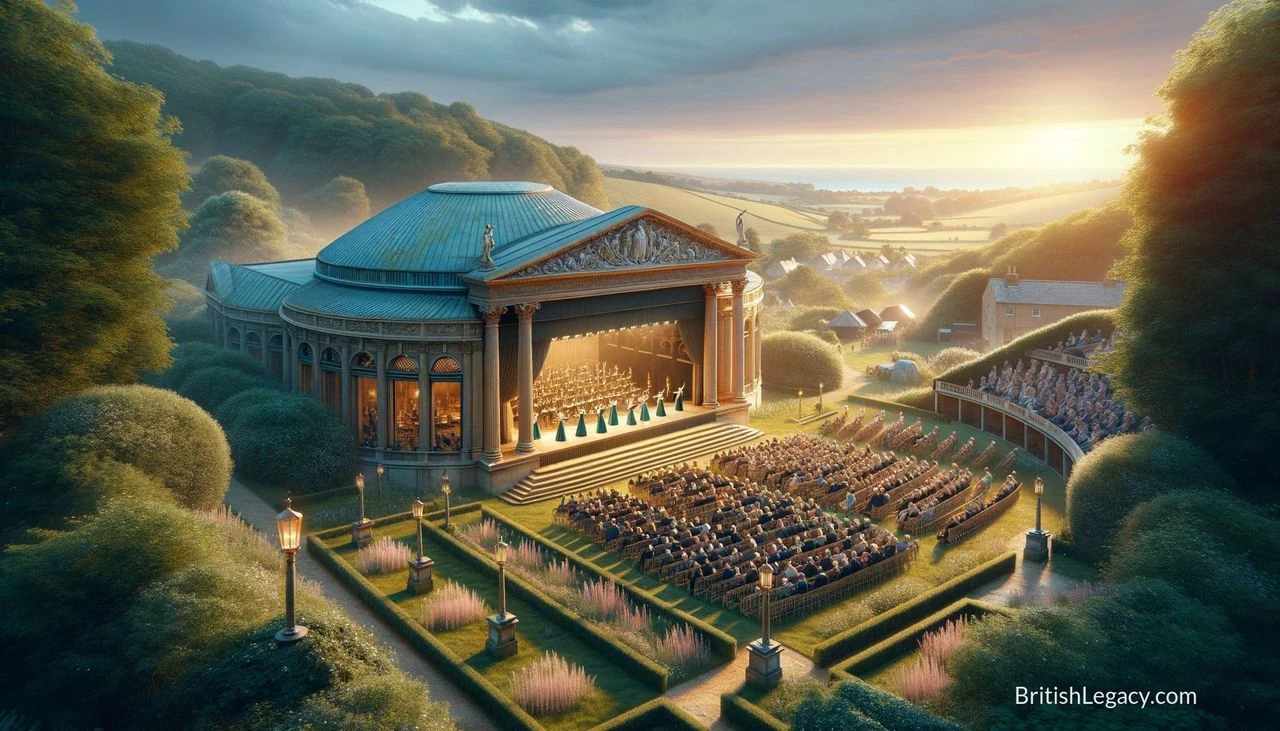
The theatre has also changed. The original building is described as a small wooden structure, replaced in 1994 by a new opera house funded through private benefaction. The new building brought a modern theatre in place of the original, while the festival continued at the estate. The account emphasises the newer venue’s acoustics, seating and stage, but provides no measurements or technical specifications; its significance here is the change in the physical setting for Glyndebourne’s productions.
Taking opera beyond the estate
Glyndebourne’s work has not been limited to performances at its Sussex home. Its touring operation began in 1968 and has taken productions to venues elsewhere in the UK. Touring provides another way for audiences to encounter the company’s work without travelling to the estate. Digital broadcasts and partnerships are also described as part of the festival’s wider reach, extending access beyond the people in the theatre on a performance night.
Learning and engagement programmes form another part of that work. They offer young people opportunities to encounter and take part in opera, linking the festival’s performance activity with education and participation. The existing account gives no programme numbers or specific examples, but identifies this work as a continuing strand alongside productions and touring.
Why Glyndebourne deserves a place in British Legacy
Glyndebourne’s place in British cultural history rests on a specific combination: a festival founded in East Sussex in 1934, a first production of Mozart’s Le nozze di Figaro, and a continuing association with a varied operatic repertoire. Its theatre has developed from the original wooden building to a new opera house opened in 1994, while the setting of the estate remains part of how audiences experience a visit. These features give the festival a distinct history grounded in a particular place and an enduring commitment to presenting opera.
Its contribution also reaches beyond the festival site. Touring productions, digital broadcasts and learning programmes offer routes for more people to see or participate in opera, including young people. The tour, begun in 1968, connects Glyndebourne’s work with venues around the UK; its educational activity extends that connection to potential performers and audiences. The record described here is not a basis for unqualified claims about global influence, but it does show a British opera institution combining performance, a distinctive setting and efforts to widen access. That combination is the substance of Glyndebourne’s legacy.