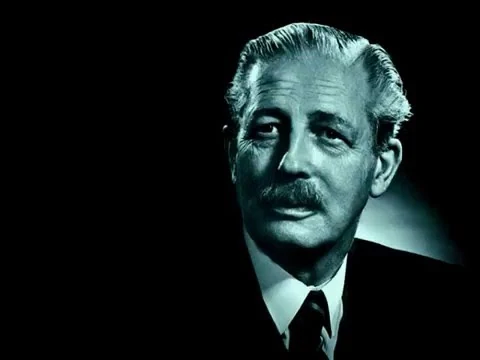
On 3 February 1960, British prime minister Harold Macmillan addressed the Parliament of South Africa in Cape Town. His central statement was direct: “The wind of change is blowing through this continent. Whether we like it or not, this growth of national consciousness is a political fact.” The words made the political claims of African peoples impossible to treat as a passing disturbance. Macmillan argued that British policy had to reckon with those claims and work towards an orderly transfer of power.
A speech during a tour of Africa
Macmillan delivered the address during a month-long tour of Africa that included Ghana, Nigeria and South Africa. He told his audience that the journey had given him the chance to see changes taking place and to listen to people living on the continent. His opening presented those observations as the basis for his argument: the movement towards self-government was not an abstract forecast but a political development to which governments had to respond.
The speech connected national consciousness with the demand for freedom and self-government. Macmillan described an “inescapable tide of political progress” and said that across Africa more people were demanding and achieving those aims. His use of “whether we like it or not” made recognition the point at issue. Governments might resist the change, he argued, but their policies could not sensibly proceed as though it did not exist.
He also placed African independence movements within a wider pattern. The assertion of national identity by peoples previously subject to colonial rule was, he said, among the most striking political developments of the age. In Africa, he noted, questions of political boundaries and political ideas were especially apparent. The speech therefore addressed not only the pace of change but the claim to political identity behind it.
Recognition, power and an ordered transfer
Macmillan did not frame recognition as a matter of words alone. “Our national policies must take account of it,” he said, adding that Britain’s chosen course should be to work with the change so that it could develop peacefully and in an orderly way. The speech’s argument was pragmatic as well as declaratory: if political independence was advancing, governments should shape their response around that fact rather than deny it.
His language also exposed the tensions within that argument. In a passage about the rights of peoples emerging from colonial rule, Macmillan invoked the principle of treating others as one would wish to be treated. He then observed that, in relations between individuals and nations, “only power gives protection and only strength attracts loyalty”. The contrast placed an appeal to moral principle beside a stark assessment of political power. He warned that rapid transfers of power could transform the world and insisted that they should take place without disruption or violence.
The address did not present the route ahead as effortless or free of political conflict. It acknowledged that the struggle for national independence was widespread and that its intensity varied. Macmillan urged responsibility, understanding of African aims, and British policies that recognised national aspirations. His proposed idea of “partnership” was to include political and economic elements, not merely friendly language.
Friendship and equality as stated aims
In its concluding passages, the speech described a future relationship based on “friendship and equality”. Macmillan said that this did not require a denial of the contributions made by people who had lived and worked in the province. But he argued that freedom and equal rights for all should be treated as precious principles and as a goal. The address closed by presenting freedom in its fuller sense as a right belonging to all people.
That conclusion sits alongside the speech’s emphasis on power and orderly change. Macmillan urged acceptance of national self-government while also speaking about the protection, strength and stability needed during transfers of power. The address thus combined recognition of African political claims with a British prime minister’s argument about how political change should proceed. Its wording makes both aspects visible: the acknowledgement that national consciousness could not be ignored, and the insistence that governments should manage change without violence.
Why Harold Macmillan’s ‘Wind of Change’ speech deserves a place in British Legacy
The speech deserves attention in British Legacy because it records a British prime minister publicly stating that African national consciousness was a political fact and that British policy had to take account of it. Macmillan’s words were not simply a prediction that colonial rule would change. He called for Britain to work with the movement towards self-government and argued that relations with African states should rest on friendship and equality. Those statements make the address a significant example of how a British leader described the changing relationship between Britain and African territories.
Its importance also lies in the tensions it preserves. The appeal to freedom and equal rights appears alongside the speaker’s emphasis on power, strength and the need for an orderly transfer. Reading those claims together offers a more useful account than treating the speech as uncomplicated praise of decolonisation. The address shows a British government voice recognising pressures it could not dismiss, while still setting out conditions for how change should unfold. That combination—acknowledgement of political claims, a proposed policy response, and unresolved tension over power—is the specific reason the speech belongs in a British account of the period.