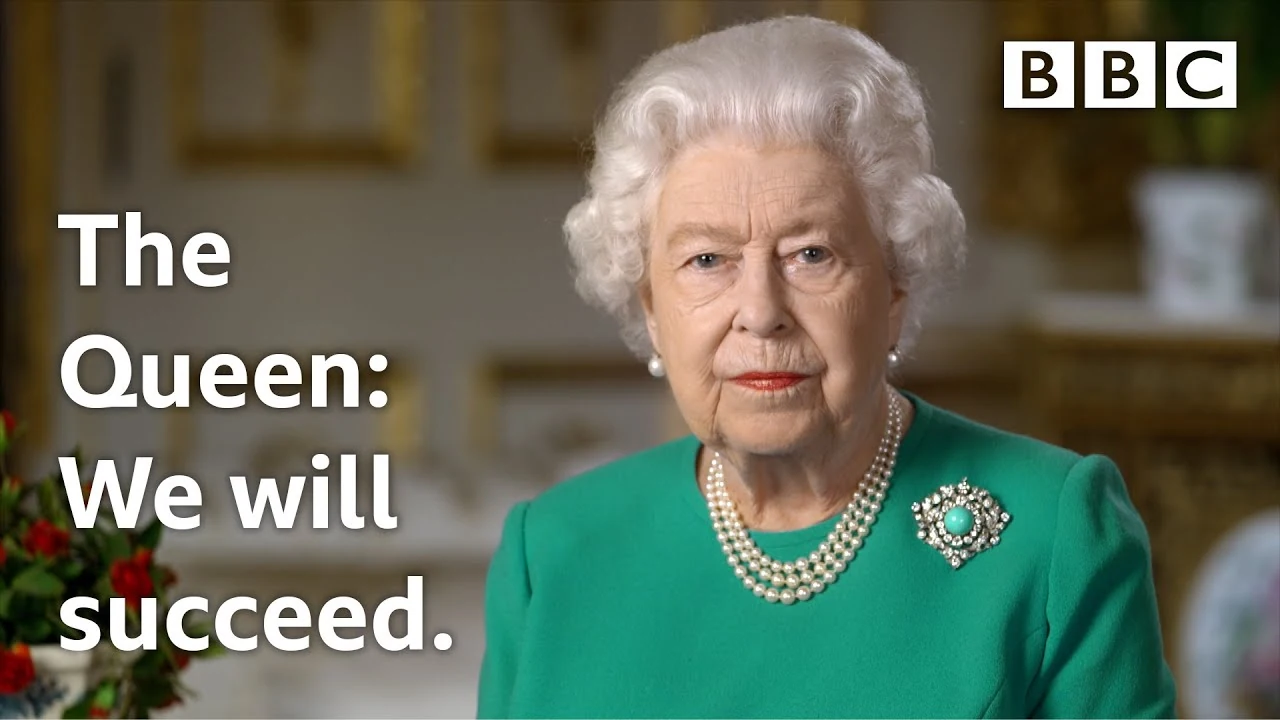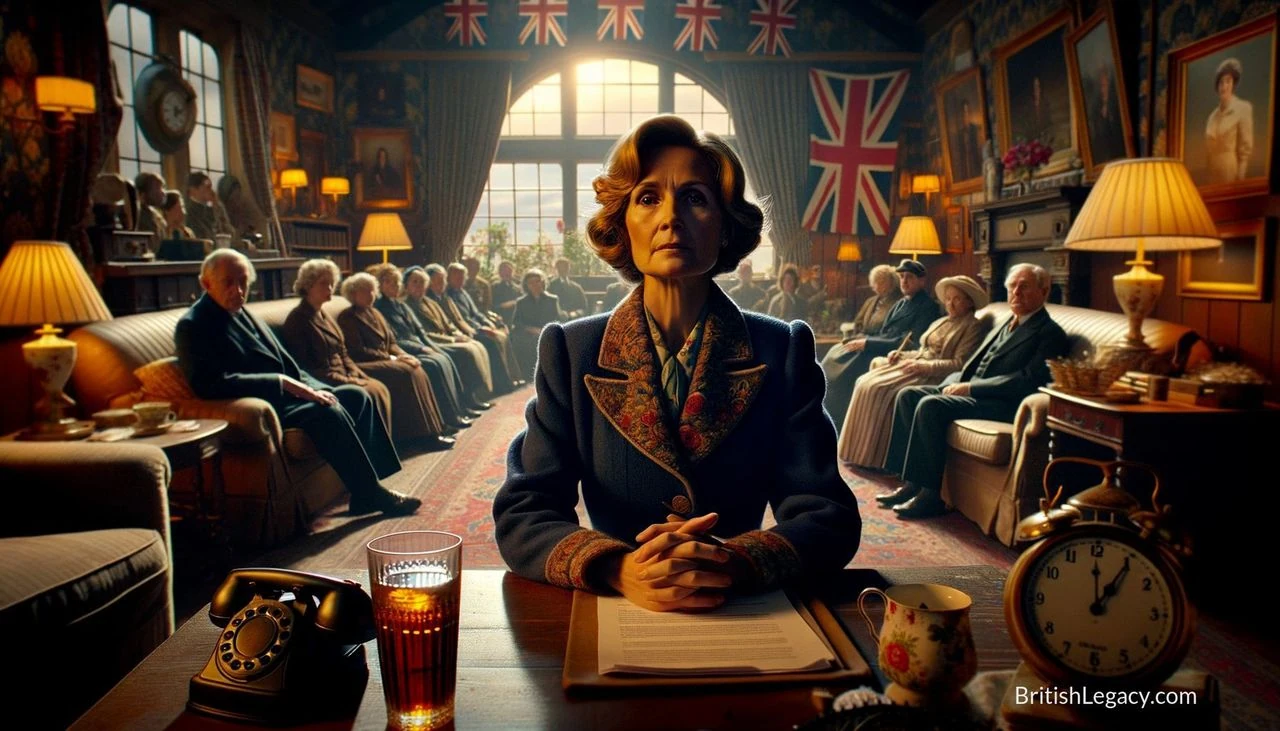
On 5 April 2020, as the COVID-19 pandemic brought lockdown and major disruption to daily life in the United Kingdom, Queen Elizabeth II delivered a rare televised address. Its message was one of reassurance, solidarity and hope: “We should take comfort that while we may have more still to endure, better days will return. We will be with our friends again; we will be with our families again; we will meet again.”
A rare address in an unsettled time
The broadcast was described in the supplied article as the fifth speech of its kind during the Queen’s 68-year reign, apart from her annual Christmas broadcasts. It was presented as an unscheduled address at a time when people were facing strict restrictions, uncertainty and the effects of the pandemic on everyday life. The article also describes concern about infection rates, economic instability and pressure on healthcare systems.
The speech was intended to offer reassurance and a sense of unity to people in the United Kingdom and the Commonwealth. Rather than promise an immediate end to the crisis, the quoted passage acknowledged that more hardship might lie ahead. Its assurance that friends and families would meet again gave the address its central emphasis: separation was painful, but it was not permanent.
Words of endurance and hope
The passage’s repeated future tense gives it a steady, personal cadence. “We will be with our friends again” and “We will be with our families again” turn the prospect of reunion into a shared expectation. The closing words, “we will meet again”, make that promise concise. The address connected the private cost of distance from loved ones with a collective experience, while recognising that the public still had difficulties to endure.
Its significance in the supplied account lies in both its rarity and its timing. The Queen’s televised message addressed people during a period of restrictions and uncertainty, using the established public role of a monarch to communicate solidarity. The text also places the speech in a wider appeal to resilience and collective effort, without suggesting that a broadcast could itself resolve the crisis.
Why Queen Elizabeth II’s broadcast deserves a place in British Legacy
The broadcast belongs in British Legacy as a specific example of public communication during a national emergency. Delivered on 5 April 2020, it addressed people experiencing lockdown and separation from friends and family. Its best-known lines did not deny the strain of the moment: they recognised that more was still to come, then offered the prospect of reunion. That combination of acknowledgement and reassurance is central to the speech’s meaning.
Its British connection is direct: the address was given by the UK’s monarch to the public during the COVID-19 pandemic, with the supplied article also identifying the Commonwealth among its intended audiences. The message framed endurance as something shared rather than individual, and its plain promise of meeting again gave listeners a memorable expression of hope. Remembering the broadcast preserves not just a quotation, but the circumstances in which those words were delivered.