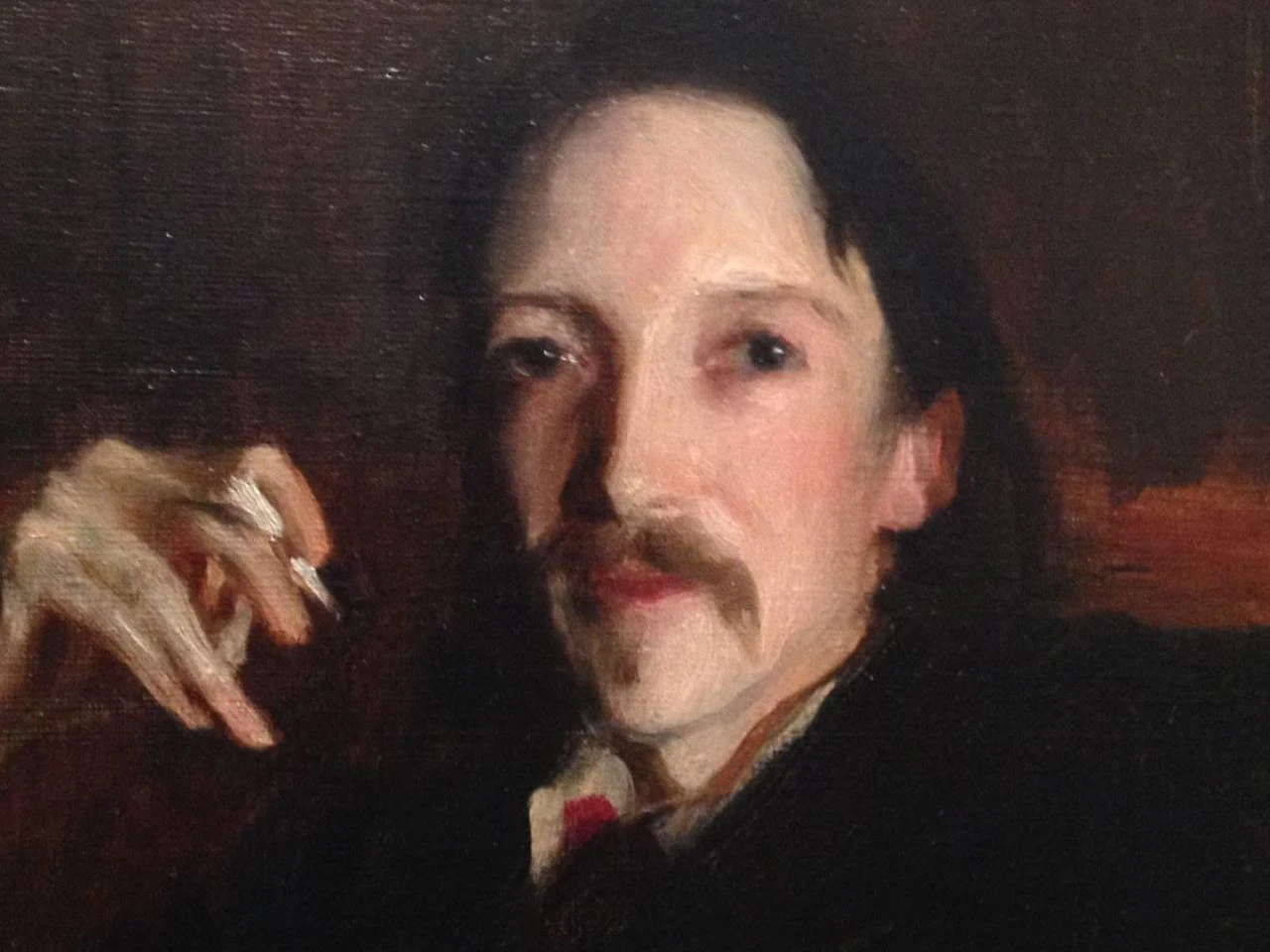
John Singer Sargent was an American painter born in Florence who built a career across Europe, with London becoming an important base from 1886. Known for portraits of society figures, he is also associated with works as different as the controversial Madame X and the garden scene Carnation, Lily, Lily, Rose. His life crossed national boundaries: he was born in Italy, trained in France and established himself professionally in Britain.
Training and a European career
Sargent was born on 12 January 1856 to American expatriate parents. He studied at the École des Beaux-Arts in Paris and under the French painter Carolus-Duran. His academic training and exposure to Impressionism informed a style that joined technical skill with a modern approach to his subjects.
He moved to London in 1886, where the social elite became an important part of his clientele. His sitters included aristocrats, artists and writers. Sargent combined attention to likeness with a strong sense of the sitter’s presence, qualities that helped establish his reputation as a portraitist. His career in Britain grew from an artistic life formed elsewhere in Europe, rather than from a single national tradition.
Two paintings, two kinds of attention
Madame X, painted in 1884, portrays Madame Pierre Gautreau, an American expatriate known in Parisian society. When it appeared at the Paris Salon, the portrait caused controversy. Its bold pose and revealing dress challenged the proprieties of the time, and its reception connected the painting’s reputation with contemporary ideas about beauty and respectability. The work remains closely associated with Sargent’s name.
In Carnation, Lily, Lily, Rose (1885–86), two young girls light paper lanterns in a flower-filled garden at dusk. The scene offered a contrast to the social tension surrounding Madame X: its attention rests on the girls, flowers and changing evening light. Its setting has been associated with an idealised image of English life. Together, the two works show Sargent working across different subjects and moods, not only the formal portraiture for which he became known.
Portraits and their British setting
Sargent’s British significance is closely tied to his London career and the people he painted there. A portrait records a likeness, but its pose, clothing and setting can also show how a sitter wished to be seen. His work therefore offers a visual encounter with the society of his period, though it should not be mistaken for a complete account of British social life.
His European formation is part of that story. The combination of academic training and modern influences helped shape work that appealed to portrait clients in London. Sargent’s paintings connected artistic traditions and audiences across Europe; his place in British art is best understood through that movement between cultures and through the particular career he built in the capital.
Why John Singer Sargent deserves a place in British Legacy
Sargent belongs in a British cultural story because London became a base for a substantial portrait career after his move there in 1886. His work brought artistic skill into contact with the city’s social world, including its aristocrats, artists and writers. Portraits preserve more than appearances: they also offer evidence of how people presented status and personality. That makes Sargent’s paintings valuable encounters with their period, while their selective nature means they cannot stand for every part of society.
The contrast between Madame X and Carnation, Lily, Lily, Rose makes his contribution especially clear. One became bound up with controversy over a Parisian portrait; the other depicts two girls, flowers and lantern light in a garden associated with English life. Neither the artist’s birthplace nor his nationality was British, but his London career and the subjects and settings represented in his work give his connection to Britain a specific basis. Sargent’s legacy here is that of a European-trained artist whose British years and paintings contribute to the visual memory of the society around him.