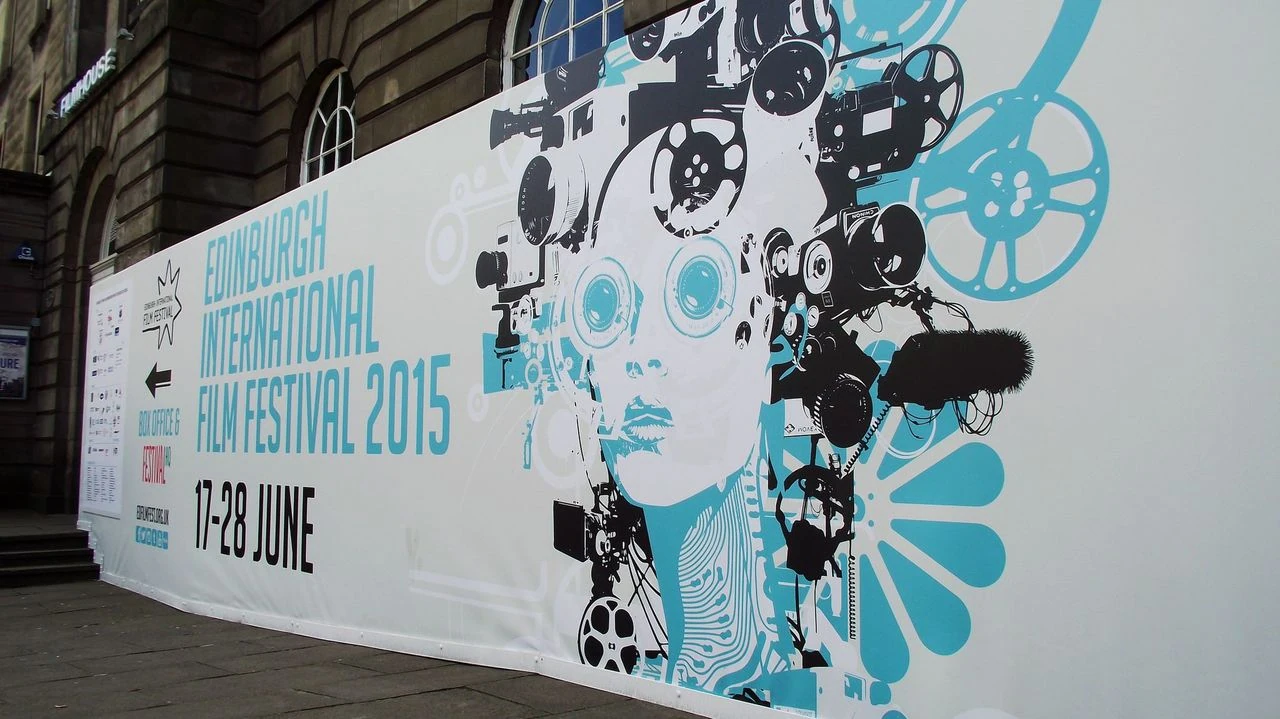
Since 1947, the Edinburgh International Film Festival (EIFF) has made cinema part of Edinburgh’s cultural life. Its programme brings together new films and retrospectives, while events for filmmakers and audiences extend the festival beyond screenings. The result is a meeting place for different kinds of cinema in a city already known for its international cultural calendar.
A festival founded after the war
The EIFF began in 1947, shortly after the Second World War, with the aim of giving filmmakers a place to show their work. Over time, it developed a programme spanning British and international cinema. Its continuing focus on new work sits alongside an interest in film history, giving audiences opportunities to encounter both contemporary filmmaking and earlier movements and traditions.
The festival has been described as the world’s oldest continually running film festival. Its long history is part of its identity, but its work is not limited to looking back: new films remain central to its programme. The festival has presented films that later received critical attention and awards. The range of work shown allows Edinburgh audiences to meet stories and filmmaking practices from beyond Scotland as well as closer to home.
New films, familiar names and film history
EIFF screenings have included British and international films, with a particular emphasis on new work. The festival’s history is also associated with early recognition for directors including Danny Boyle and Lynne Ramsay. Such associations help explain its reputation as a place where audiences can encounter filmmakers and films before they become widely known, although the festival’s significance does not rest on predicting which works will later become celebrated.
Retrospectives provide another strand of the programme. By returning to significant figures and movements in cinema, they give filmgoers a chance to see individual works in a wider historical context. New releases and retrospective screenings offer different ways into the medium: one follows what filmmakers are making now, while the other considers how cinema has developed and whose work has shaped it.
Special events have included masterclasses, panels and workshops with people from the film industry. These bring discussion and practical insight alongside the screenings, and create opportunities for filmmakers and audiences to meet. The festival’s programme therefore encompasses not only films themselves but also conversation about how films are made and the direction cinema might take.
Edinburgh’s cultural calendar
The EIFF shares Edinburgh’s busy cultural landscape with the Edinburgh Festival Fringe and the Edinburgh International Festival. Its international audience contributes to the city’s role as a destination for cultural events. Visitors attending the festival also use local theatres, hotels, restaurants and shops, linking the event to businesses across the city.
That connection between festival and host city is practical as well as cultural: screenings and related events bring people into Edinburgh, while the city provides venues and an established setting for a programme with international reach. The festival’s place in the calendar helps make film part of Edinburgh’s broader public cultural life, rather than an activity confined to the film industry.
Why The Edinburgh International Film Festival deserves a place in British Legacy
The EIFF deserves a place in British Legacy because it has given Edinburgh a sustained platform for cinema since 1947. Its programme brings British filmmaking into conversation with international work, and balances new films with retrospectives that place cinema’s past before contemporary audiences. That combination matters: a festival can encourage attention to new voices while also helping audiences understand the histories and movements that have shaped the medium.
Its contribution also reaches beyond the screen. Masterclasses, panels and workshops create space for exchange between film professionals and audiences, while the festival’s presence contributes to Edinburgh’s cultural calendar and brings visitors to local businesses. These are specific ways in which the event connects artistic activity with the life of its host city. Rather than relying on broad claims about national prestige, the EIFF’s British legacy can be seen in this continuing relationship between film, public engagement and Edinburgh: a Scottish festival with international reach, rooted in the cultural life of the capital.