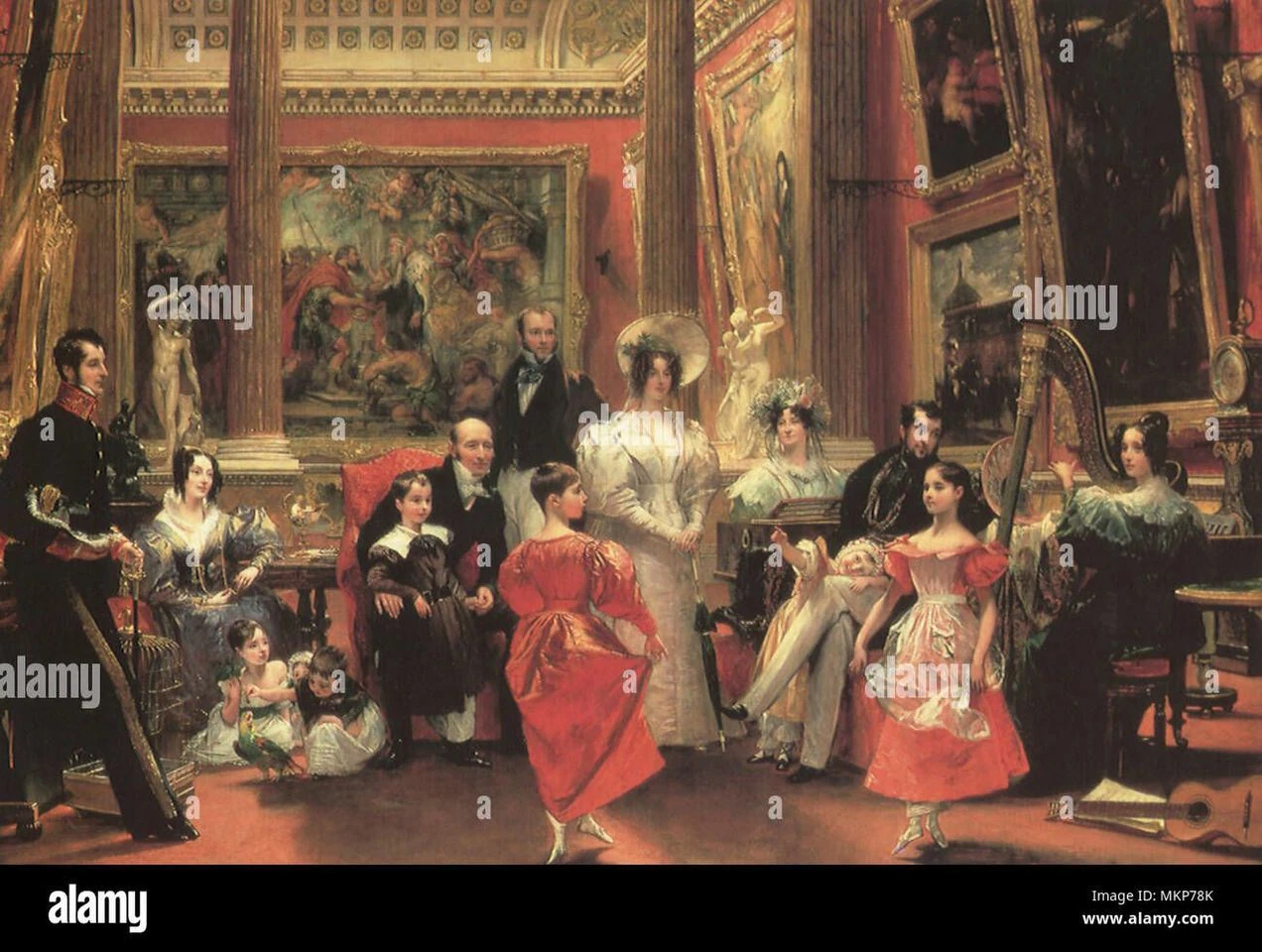
The Grosvenor family’s history is closely connected to the growth of London. A seventeenth-century marriage brought the family land in what was then rural Middlesex; subsequent development in Mayfair and Belgravia made the Grosvenor name part of the capital’s built landscape. The family’s property interests later extended internationally, although London remains the central thread in this account.
Land, marriage and the growth of Mayfair
The family’s rise is traced to Sir Thomas Grosvenor’s marriage to Mary Davies in the seventeenth century. Through the marriage, the Grosvenors acquired a substantial tract of land in rural Middlesex. As London expanded, this land became the foundation of property interests associated with some of the capital’s most recognisable districts.
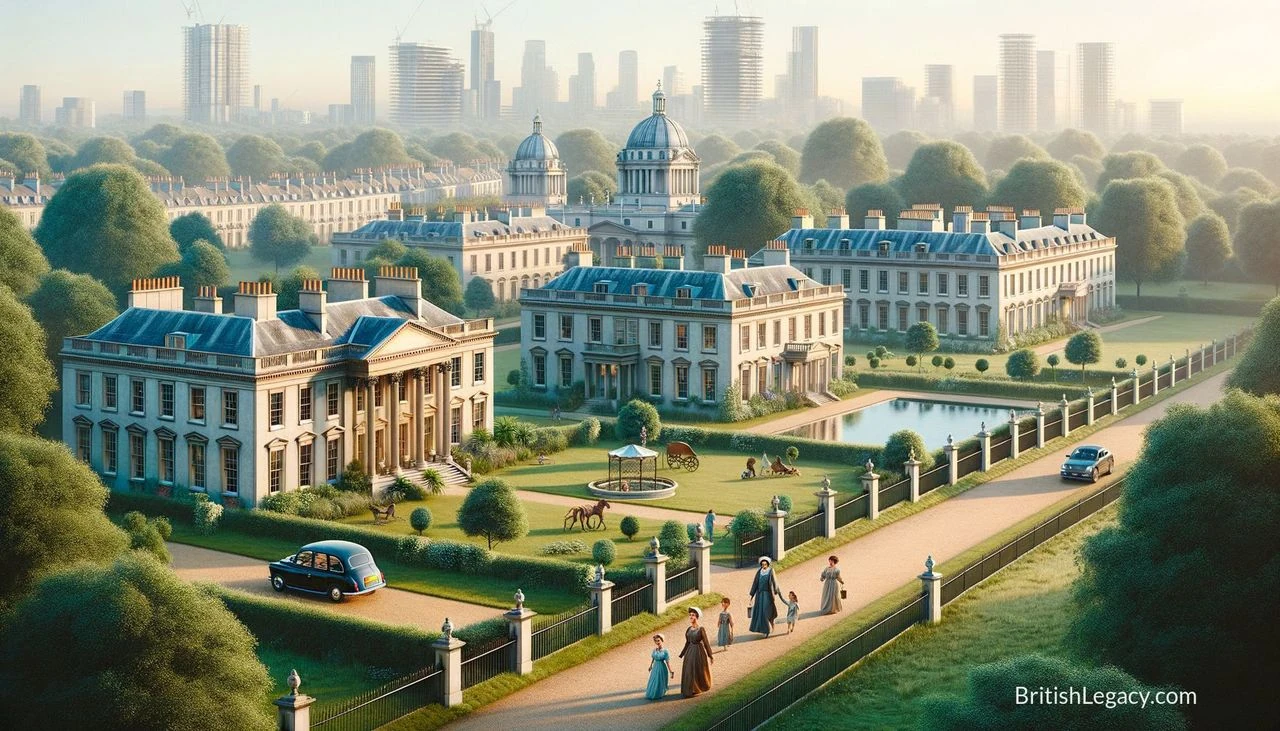
Development in Mayfair and Belgravia took place principally during the eighteenth and nineteenth centuries. Their squares and townhouses, together with Belgravia’s white stucco façades and gardens, reflect the character of those neighbourhoods. Grosvenor Square is among the Mayfair addresses connected with the family. The districts’ later reputation for luxury and retail sits alongside their more enduring significance as places shaped by the development of the Grosvenor land.
A property business beyond London
The family’s holdings are described as extending beyond Mayfair and Belgravia, with investments in North America, Australia and Asia. Despite that international reach, London remains the estate’s principal point of reference.
Hugh Grosvenor, born in 1991, inherited the title of Duke of Westminster at 25 and is identified as the family’s present head. The modern Grosvenor Group is associated with sustainability and innovation, though specific projects and outcomes are not set out here. Those broad priorities are best understood as stated aims rather than a detailed record of achievement.
Philanthropy and urban responsibility
The family is also associated with charitable work in housing, education, health and environmental causes. The Westminster Foundation is named in connection with such activity. The family’s role in sustainable urban development is another theme: its stated interest is in communities that are resilient and adaptable. Without particular initiatives or outcomes, the extent and effects of this work cannot be assessed here.
What is clearest is the long relationship between landholding and London’s growth. The Grosvenors’ story runs from land in rural Middlesex to development in districts that became part of central London, and then to a property business with interests overseas. That history links private estate ownership to the changing form of the city.
Why the Grosvenor family deserves a place in British Legacy
The Grosvenor family merits attention in British Legacy because its history offers a specific view of how landownership and urban development helped shape London. The marriage of Sir Thomas Grosvenor and Mary Davies is associated with the acquisition of land in rural Middlesex; in later centuries, development in Mayfair and Belgravia connected the family’s name to the capital’s streets, squares and residential architecture. The story is not simply one of a prominent family: it also concerns the transformation of land as the city expanded around it.
The family’s later international property interests broaden that history, but the London connection remains its defining feature here. Its associations with charitable activity and sustainable development are also part of the account, although their impact cannot be judged without concrete examples. Remembering the Grosvenors therefore helps explain both the visible legacy of estate development and the wider influence that large landholdings can have on a city’s character.