The Spencer family’s history connects landed wealth in Warwickshire with the acquisition of Althorp, advancement into the peerage and a modern public link to the royal family through Diana, Princess of Wales. Its prominence took different forms over time: agricultural wealth, aristocratic title, parliamentary involvement and, in Diana’s case, international attention for charitable work.
From Warwickshire to the peerage
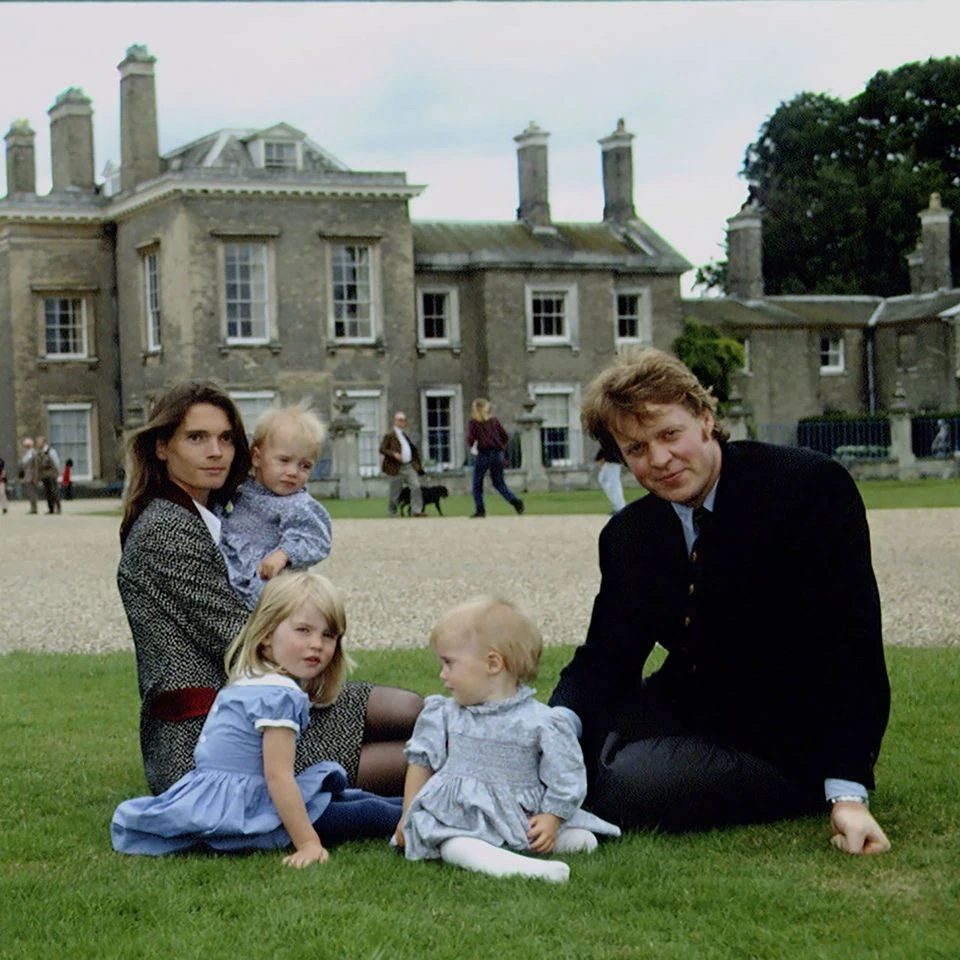
The family’s rise is associated with sheep farming in Warwickshire. In the 16th century, Sir John Spencer acquired Althorp, which has remained in the family. The estate became a lasting point of connection between the Spencers and their landed history.
In 1603, Sir Robert Spencer was ennobled as the first Baron Spencer of Wormleighton, marking the family’s entry into the peerage. In the 18th century, John Spencer, the first Earl Spencer, was a Whig and a figure of influence in Parliament. These milestones trace the family’s move from agricultural wealth to titled and political prominence.
Diana and the royal connection
Lady Diana Spencer was born in 1961. Her marriage to Prince Charles, then Prince of Wales, in 1981 brought the Spencer name into a close public connection with the royal family. As Princess of Wales, Diana became internationally known, including for her charitable work on AIDS awareness and her campaign against landmines. She was popularly called “The People’s Princess”.
Diana died in 1997. Her sons, Prince William and Prince Harry, are part of the family’s continuing connection to the royal family. Her public profile brought worldwide attention to the Spencer name, while her work on charitable causes gave that attention a dimension beyond royal status.
Althorp and the family’s continuing story
Althorp remains central to the family’s public story. Charles Spencer, the ninth Earl Spencer, is identified with the management of the estate and is a historian and writer. The account of his role links the family’s present-day identity with the property acquired by Sir John Spencer centuries earlier.
The family’s history is not a single, uninterrupted form of influence. The details recorded span sheep-farming wealth, the barony, an earldom associated with parliamentary life, and Diana’s modern prominence. Althorp provides a continuing landmark across those different chapters.
Why the Spencer family deserves a place in British Legacy
The Spencer family merits a place in British Legacy because its history brings together specific features of British social and political life. The family’s association with sheep farming in Warwickshire and the acquisition of Althorp show the importance of land and agricultural wealth in its rise. Sir Robert Spencer’s elevation to the peerage in 1603 and John Spencer’s parliamentary prominence as a Whig in the 18th century mark later stages in that development. These details make the family’s story more than a record of titles: they show changing routes to public standing across several centuries.
Diana’s life gives the history a distinct modern chapter. Her marriage to Prince Charles connected the Spencers to the royal family in the public imagination, while her work on AIDS awareness and landmines is a concrete part of her charitable legacy. The continuing association with Althorp, including Charles Spencer’s role there, links this public story to the family’s longer history. Together, these elements explain the family’s British significance without relying on broad claims of national influence or inherited duty.