The Llangollen International Musical Eisteddfod: A Glorious Celebration of Global Harmony
In the quaint, verdant valley of Llangollen, nestled within the heart of North Wales, an event of dazzling cultural significance unfurls each summer, drawing performers and audiences from every corner of the globe. The Llangollen International Musical Eisteddfod, more affectionately known as the Llangollen Eisteddfod, epitomises the spirit of harmony, diversity, and artistic excellence that has come to define the British cultural landscape.
The Origins: A Vision for Peace Through Music
The Llangollen International Musical Eisteddfod was conceived in the wake of the Second World War, a profound period of yearning for global peace and unity. The inaugural event took place in 1947, born from the vision of a few idealists who believed in the power of music to foster international understanding. Their dream endured, blossoming into an annual pilgrimage for artists who are united by their passion for performance and their desire to share their unique cultural expressions.
A Gathering of Global Talent
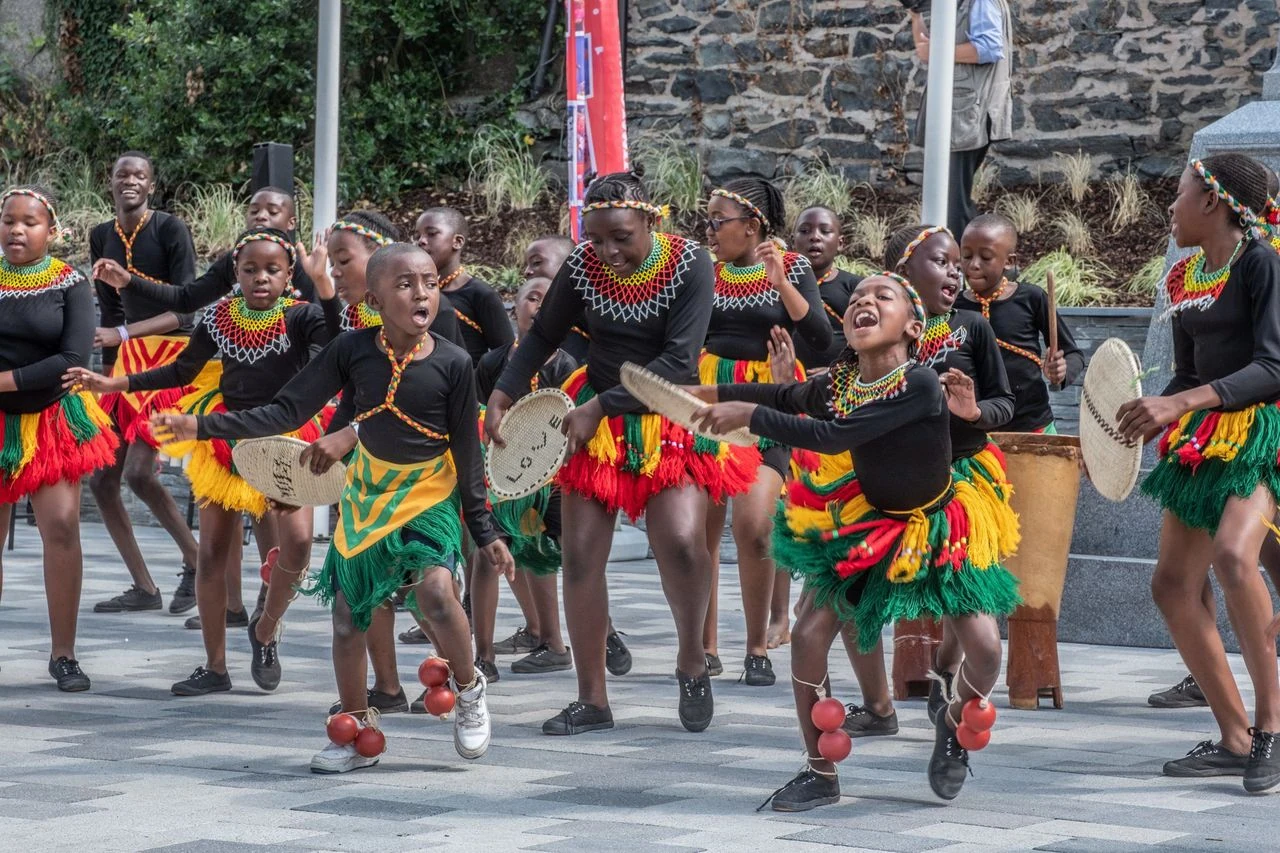
Each year, during the first week of July, this charming Welsh town becomes a vibrant mosaic of costumes, accents, and rhythms, as it hosts choirs, dancers, and musicians from over 50 countries. The festival is meticulously structured to include a wide array of competitions that span across different age groups and genres. From choral contests to traditional folk dance displays, and instrumental performances to theatrical presentations, the Llangollen Eisteddfod offers a platform for both emerging and established artists.
The competitions are judged by a panel of esteemed experts who hail from various musical disciplines. Winners are not just awarded trophies and accolades but also earn the prestige of being recognised on an international stage. This recognition can be career-defining, and many artists who once performed in Llangollen have gone on to achieve global acclaim.
Cultural Exchange and Diplomacy
Above all, the Llangollen Eisteddfod stands as a beacon of cultural diplomacy. Beyond the spirited competitions, the festival offers countless opportunities for intercultural exchange. Performers often engage in workshops, collaborative projects, and informal jam sessions, creating a rich tapestry of shared experiences and newfound friendships.
The festival’s commitment to fostering international goodwill has been recognised at the highest levels; it has even been nominated for the Nobel Peace Prize. The ethos of mutual respect and appreciation that permeates the event has contributed significantly to its longstanding reputation as a catalyst for peace and unity.
Highlights and Traditions
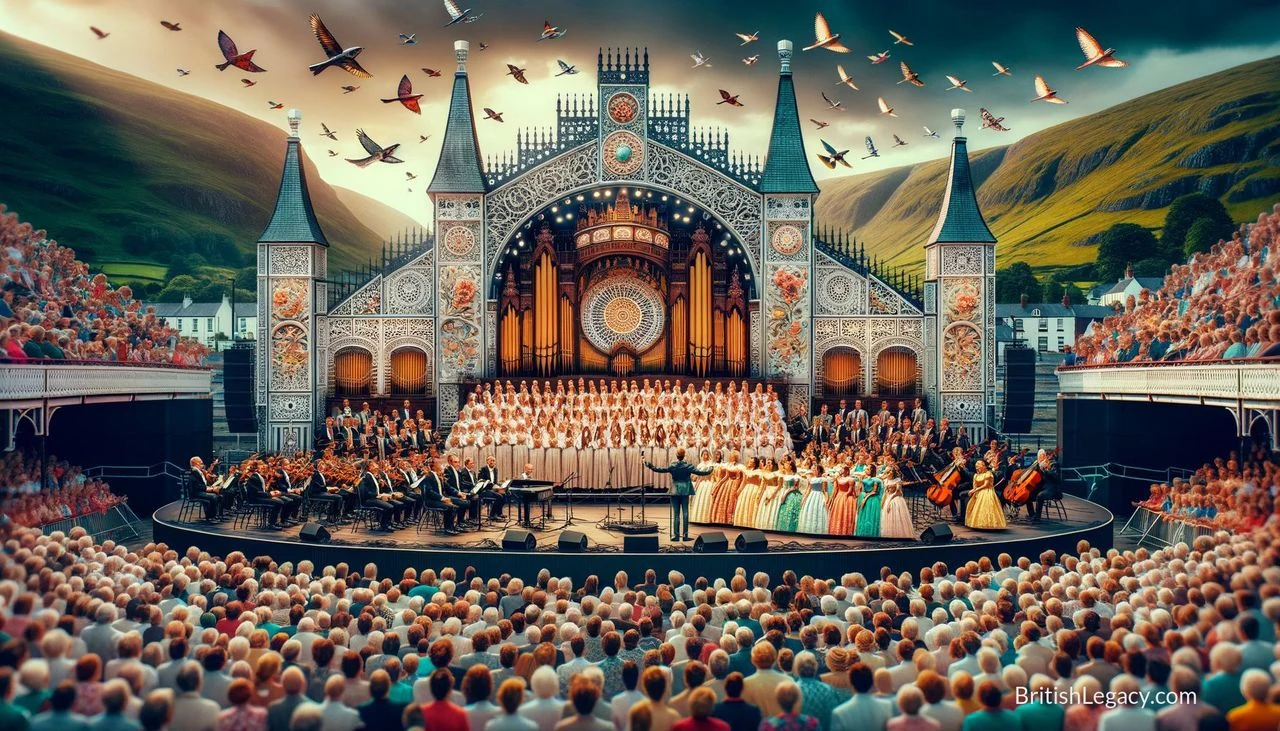
One of the most anticipated elements of the festival is the Parade of Nations, an exuberant procession through the town centre, where participants don their traditional attire and celebrate their heritage with pride. Each evening, the concert performances at the Royal International Pavilion offer audiences a spellbinding array of cultural spectacles, from traditional Welsh Male Voice Choirs to captivating Bollywood dance routines and classical symphonies.
The festival also places a strong emphasis on youth involvement, with dedicated competitions and performances for young choirs and dancers. This not only ensures that the rich tradition of the Eisteddfod is passed down to future generations but also fosters early appreciation and participation in cultural and artistic endeavours.
Impact and Legacy
The Llangollen International Musical Eisteddfod has left an indelible mark on the cultural heritage of Britain and the world. It has celebrated, preserved, and promoted myriad cultural traditions, acting as a bridge between diverse communities. The festival has also invigorated the local economy, drawing tens of thousands of visitors annually and fostering a sense of pride and unity among the residents of Llangollen.
In essence, the Llangollen Eisteddfod is much more than a music festival; it is a testament to the power of the arts as a force for global unity. It embodies the ideals of inclusivity, creativity, and peace, and stands as a shining jewel in the rich tapestry of British cultural heritage. As long as there are songs to be sung and dances to be danced, Llangollen will remain a beacon of hope and harmony, inviting the world to come together, celebrate our shared humanity, and rejoice in the universal language of music.
In a world often divided, the Llangollen International Musical Eisteddfod continues to be a poignant reminder of what unites us, celebrating the diversity that enriches our collective human experience and nurturing the spirit of togetherness that defines the great British legacy.