WOMAD Festival: Celebrating Diversity and Global Culture Through Music, Arts and Dance
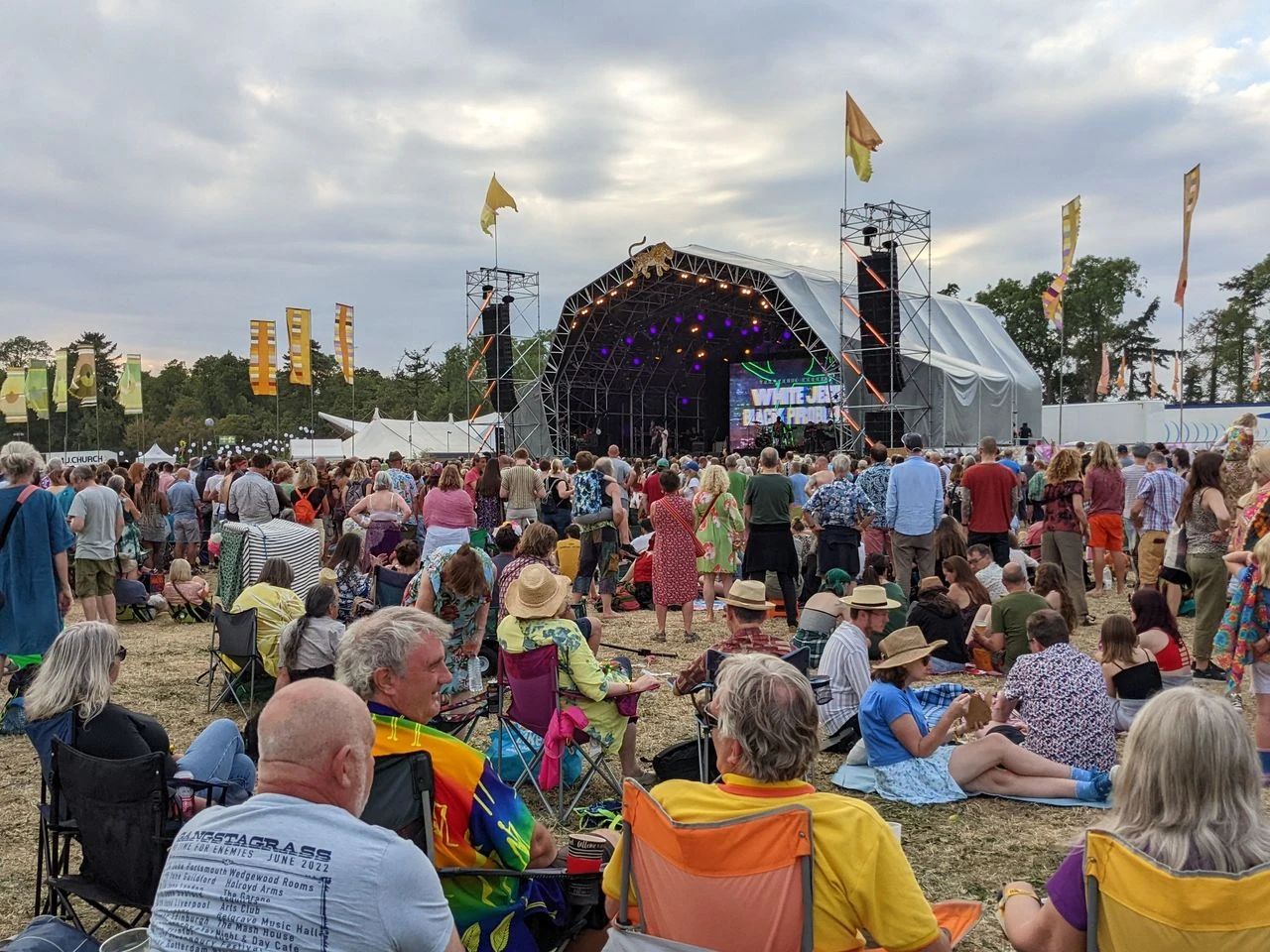
Nestled in the picturesque grounds of Charlton Park in Wiltshire, lies one of Britain's most radiant cultural jewels—the WOMAD Festival. Standing for "World of Music, Arts, and Dance," WOMAD is more than just a festival; it is a celebration of global culture and a testament to Britain's influential role in promoting diversity and multiculturalism. Since its inception in 1982, WOMAD has enthralled audiences with its vibrant blend of sounds, sights, and sensations from every corner of the globe.
The Genesis of WOMAD
The brainchild of Peter Gabriel, an iconic British musician known for his eclectic and adventurous tastes, WOMAD was conceived with the vision of creating a platform where the richness and variety of international music could be appreciated without commercial constraints. Gabriel, alongside partners Thomas Brooman, Bob Hooton, and Stephen Pritchard, sought to provide a space where artists from diverse backgrounds could share their craft, fostering a spirit of global unity and cultural exchange.
Charlton Park: The Heart of the Festival
Primarily hosted in Charlton Park, Wiltshire since 2007, the festival's magical atmosphere is amplified by the stately grandeur of its surroundings. Charlton Park itself, with its ancient trees, sprawling fields, and historical significance, provides the perfect backdrop for the festival. Its idyllic scenery complements the ethos of WOMAD, creating an immersive experience for festival-goers who are encouraged to wander, explore, and participate.
A Kaleidoscope of Performances and Experiences
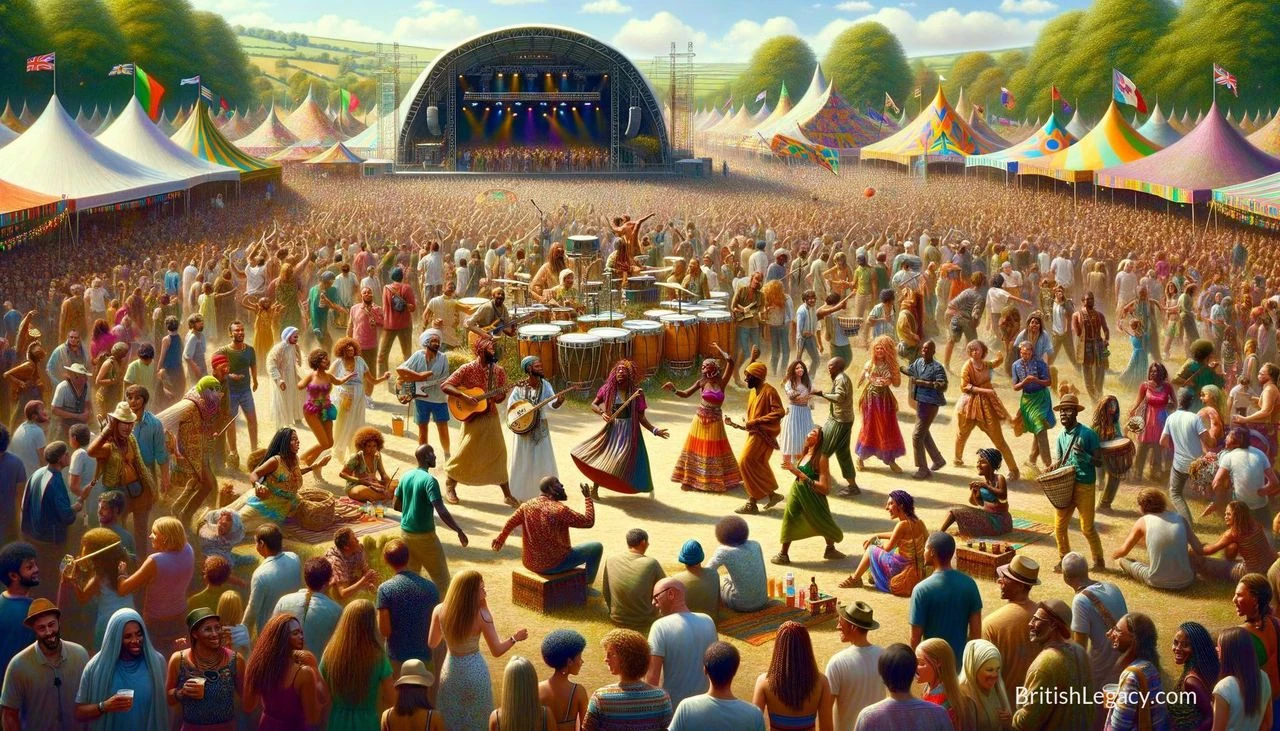
WOMAD’s stages have welcomed an astonishing array of artists, representing a myriad of genres from Afrobeat to Zydeco. Acts from as far as Mongolia, Brazil, and Mali have graced its stages, alongside British artists, ensuring an eclectic mix that keeps the spirit of musical discovery alive. Notable performers over the years include Youssou N'Dour, Nusrat Fateh Ali Khan, Sinéad O'Connor, and Baaba Maal, to name but a few.
But WOMAD is much more than its music. The festival is a sensory explosion that encompasses dance, visual arts, and workshops. Participants can delve into creative workshops, participate in traditional dance classes, or take part in mindfulness and wellness activities. These experiences enrich attendees' understanding and appreciation of different cultures, cultivating a holistic celebration of humanity’s artistic heritage.
Contribution to the British Legacy
WOMAD's contribution to British heritage is multi-faceted. The festival underscores Britain's commitment to cultural inclusivity and showcases the nation as a hub for global artistic expression. By championing world music and arts, WOMAD promotes cultural diplomacy, enhances mutual understanding, and fosters an appreciation for the world's rich tapestry of traditions and innovations.
Furthermore, WOMAD's influence extends beyond the festival grounds. It has inspired a wealth of other cultural events and festivals around the world. The spirit of WOMAD has been exported to other locations, with festivals being held in Australia, New Zealand, Spain, and beyond, each echoing the inclusive ethos born in Britain.
Impact on Local and Global Communities
The festival creates significant economic benefits for local communities, attracting thousands of visitors, thereby boosting local businesses and creating job opportunities. WOMAD’s educational projects, including the "WOMAD Schools Programme," bring artists into schools to engage with young people, breaking down cultural barriers and fostering a new generation of global citizens.
Internationally, WOMAD acts as a unifier, bridging gaps between continents and communities. It has the profound ability to bring people of different backgrounds together in celebration—breaking down prejudices, fostering empathy, and highlighting the beauty of our global diversity.
In Conclusion
WOMAD Festival is a pinnacle of cultural celebration, a meeting point for the world's artistic expressions, and a beacon of Britain's openness and cosmopolitan spirit. It invites everyone to partake in its exuberance, to be moved by the rhythms of distant lands, and to appreciate the boundless potential of human creativity and connection. Through its dedication to showcasing the world's musics, arts, and dances, WOMAD not only enriches British cultural heritage but also strengthens global unity—making it an indispensable jewel in the crown of the great British legacy.