28 Days Later: A Defining Moment in British Cinematic Legacy
When discussing the pantheon of British films that have left an indelible mark on both audiences and the industry, 28 Days Later stands as a quintessential example of cinematic prowess and cultural impact. Directed by the visionary Danny Boyle and released in 2002, this post-apocalyptic horror film redefined the genre and introduced a fresh intensity to the depiction of viral outbreaks and their catastrophic consequences.
Plot Overview and Thematic Depth
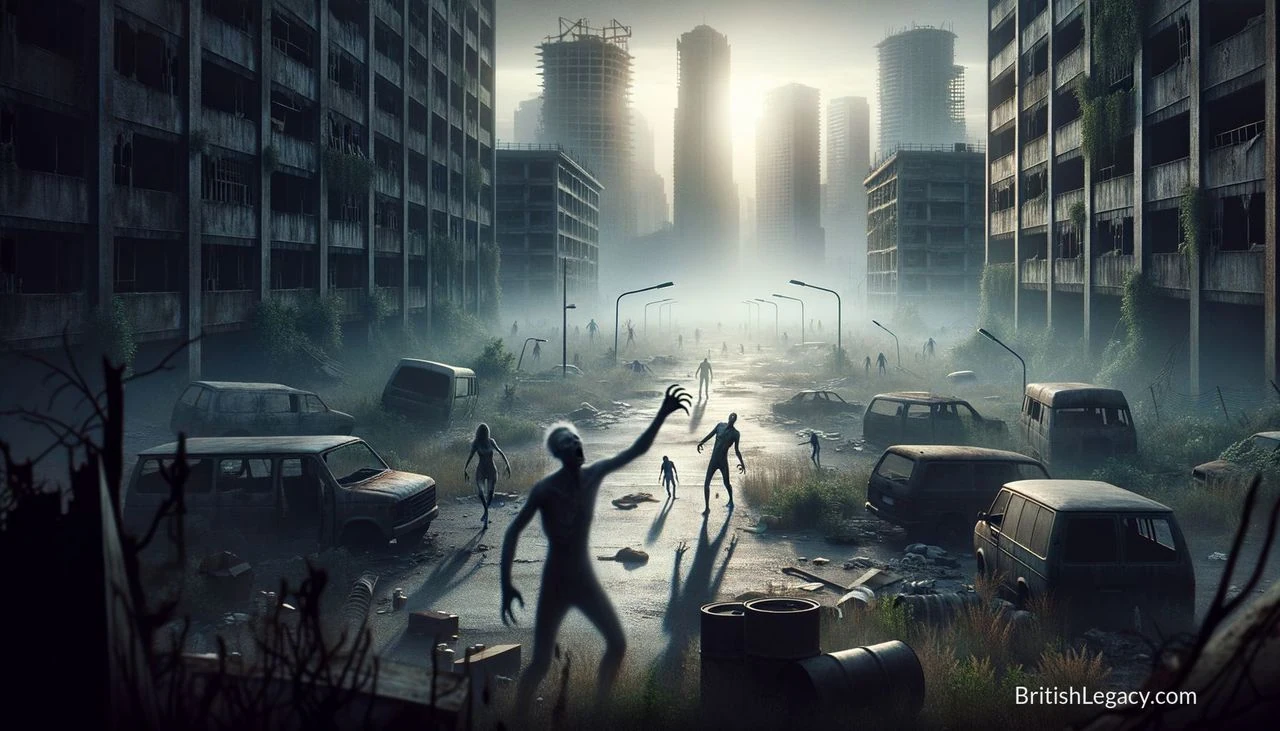
28 Days Later begins with a chilling opening sequence that sets the tone for the horror to unfold. After a group of animal rights activists unintentionally release a chimpanzee infected with the Rage virus, a virulent contagion spreads rapidly across the United Kingdom, turning humans into rabid, zombie-like beings consumed by uncontrollable aggression. The narrative then shifts to 28 days later, where we follow the story of Jim (portrayed by Cillian Murphy), who awakens from a coma in a deserted London to find the city in ruins and devoid of life as he once knew it.
Jim, alongside other survivors such as Selena (Naomie Harris) and Frank (Brendan Gleeson), embarks on a harrowing journey to find safety and hope amidst the devastation. Through its exploration of themes such as survival, humanity, and the fragile veneer of civilisation, the film poses incisive questions about the nature of human behaviour under extreme duress.
A Landmark in the Horror Genre
One of the most significant contributions 28 Days Later made to the horror genre was its reimagining of the zombie archetype. Prior to this film, zombies were often depicted as slow-moving, mindless creatures. However, Boyle and screenwriter Alex Garland presented a terrifying new iteration: the Infected were fast, relentless, and driven by unbridled fury. This innovation added a heightened sense of urgency and terror, influencing countless subsequent horror films and television programmes, including the acclaimed series The Walking Dead.
Moreover, the use of digital video for much of the film's production was pioneering at the time. This choice imparted a gritty, realistic aesthetic that underscored the bleakness of the post-apocalyptic world. The raw, almost documentary-like quality of the visuals contributed to the film's immersive experience, making the horror feel immediate and palpable.
Critical and Commercial Success
28 Days Later garnered both critical acclaim and commercial success upon its release. Critics lauded the film for its intelligent script, compelling performances, and innovative direction. The New York Times praised it as "scary in a wholly new way," while Rolling Stone described it as "an absolute must for serious horror fans." The film's success at the box office, grossing over $82 million worldwide on a modest budget of approximately £5 million, underscored its broad appeal and financial viability.
The film's haunting score, composed by John Murphy, also received accolades for its atmospheric and evocative music, particularly the track "In the House - In a Heartbeat," which has since become iconic in its own right.
Cultural Impact and Legacy
Beyond its immediate success, 28 Days Later has had a lasting impact on British cinema and popular culture. It reinvigorated the zombie genre and demonstrated the potential for British filmmakers to produce internationally acclaimed and influential horror films. The film's success paved the way for a sequel, 28 Weeks Later, released in 2007, and there have been ongoing discussions about a potential third instalment, tentatively titled 28 Months Later.
In addition to its influence on the horror genre, 28 Days Later also solidified Danny Boyle's reputation as a versatile and talented director, capable of bridging genre films with artful storytelling. This film, along with his later works such as Slumdog Millionaire and 127 Hours, has made Boyle one of the most celebrated filmmakers of his generation.
Conclusion
28 Days Later remains a seminal work in British cinema that continues to resonate with audiences and filmmakers alike. Its innovative approach to the horror genre, coupled with its profound thematic exploration and compelling storytelling, has cemented its place in the annals of British film history. As a testament to the enduring power of British filmmaking, 28 Days Later not only entertained but also provoked thought, leaving an indelible mark on the cultural fabric of the United Kingdom and beyond.