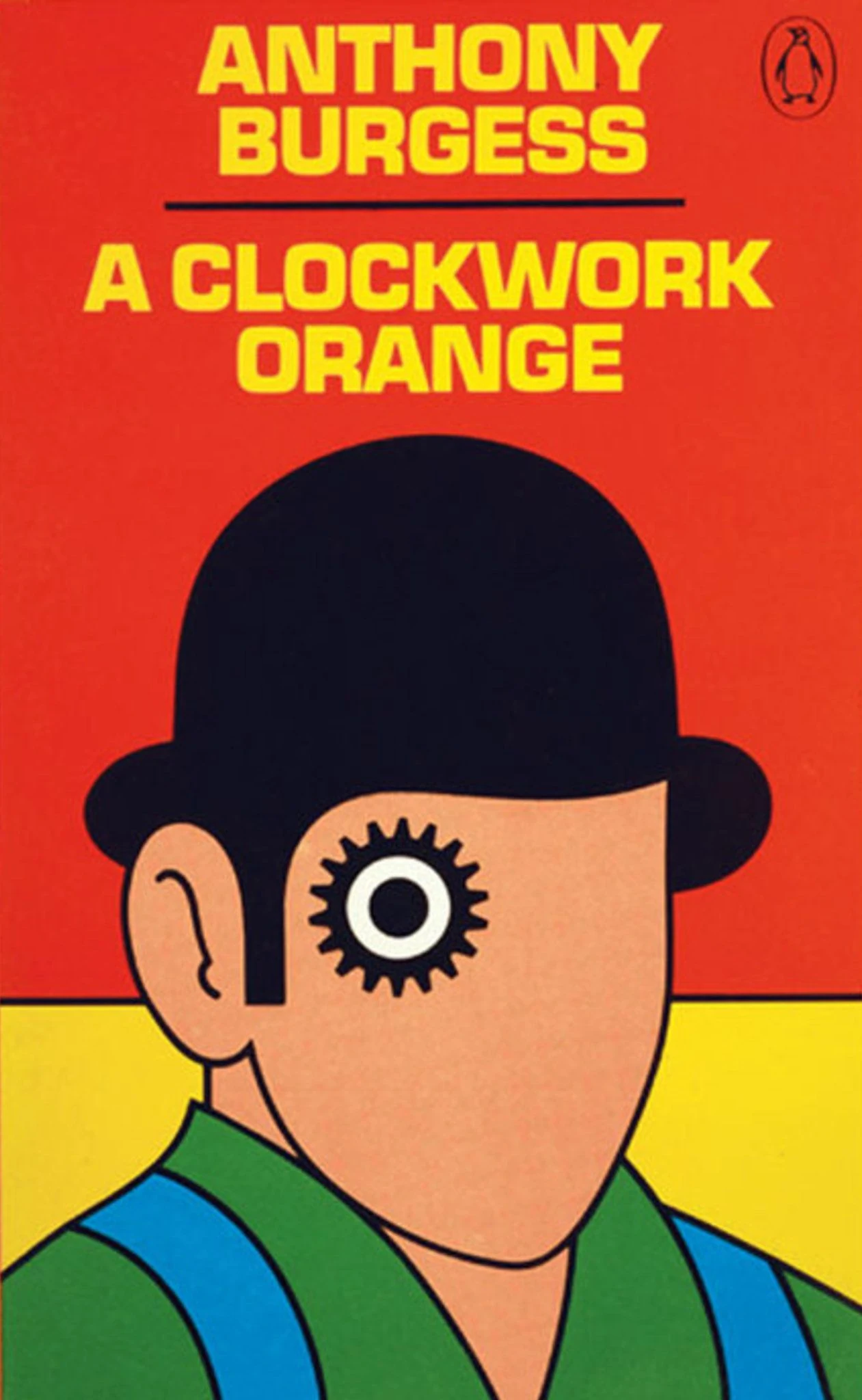
A Clockwork Orange by Anthony Burgess: A Dark Exploration of Free Will and State Control
A Clockwork Orange is a pivotal work in British literature, written by the multifaceted author Anthony Burgess. First published in 1962, this dystopian novel quickly cemented its place as one of the most thought-provoking books of the 20th century. It remains a significant part of British cultural heritage, renowned for its daring exploration of complex themes and innovative use of language.
About the Book
Set in a near-future society, A Clockwork Orange introduces readers to a disturbing world where youth violence runs rampant. The protagonist, Alex, is a teenager with a penchant for 'ultraviolence' and classical music. Leading a gang that terrorises citizens, Alex's life takes a sharp turn when he is arrested and subjected to a government-sponsored aversion therapy designed to eliminate his violent tendencies. The story broaches profound questions about free will, morality, and the extent of state power over the individual.
The Invented Language
One of the most striking features of the novel is its use of Nadsat, a fictional slang language inspired by Russian, English, and Cockney rhyming slang. This unique linguistic approach not only immerses readers in the world Burgess created but also challenges them to grapple with the themes on even deeper levels. Far from being a mere stylistic gimmick, Nadsat serves to blur the lines between familiarity and alienation, drawing readers into Alex's perspective.
The Creative Genius of Anthony Burgess
Anthony Burgess, born John Anthony Burgess Wilson in 1917, was a linguist, composer, and writer. He wrote A Clockwork Orange in a remarkably short period, driven by an intensive burst of creativity. According to Burgess, the novel was inspired by his personal encounters with crime and violence, and additionally influenced by the growing fears of government overreach during the Cold War era.
Despite his own ambivalence about the book, Burgess's work earned critical acclaim, and its provocative narrative struck a chord with readers across the world. His masterful command of language, coupled with his philosophical musings on freedom and control, secured his place in literary history.
Success and Legacy
Upon its publication, A Clockwork Orange received mixed reviews, with some critics lauding its inventiveness and others disturbed by its graphic content. However, the novel gained widespread recognition and achieved cult status, particularly influenced by Stanley Kubrick’s controversial 1971 film adaptation. The film's success brought even more attention to Burgess’s novel, ensuring its place in the pantheon of classic literature.
Beyond its immediate impact, A Clockwork Orange has inspired countless discussions in academic and literary circles worldwide. It has been interpreted through various lenses, from psychological to sociopolitical, demonstrating its rich, multifaceted nature. The book remains a staple on university reading lists and continues to provoke thought and dialogue about the balance between free will and societal control.
Contribution to British Legacy
A Clockwork Orange is undeniably a cornerstone of British literary heritage. Its daring content and innovative language showcase the power of literature to challenge societal norms and encourage introspection. Through Alex's journey, Burgess invites readers to ponder the true essence of humanity and the ethical boundaries of governmental power. The novel's ability to spark such enduring conversations underscores its lasting significance and ensures its continued relevance in contemporary discourse.
For those interested in exploring this seminal work, A Clockwork Orange is available for purchase on Amazon.
Wrap-Up
A Clockwork Orange by Anthony Burgess is not merely a novel; it is a powerful statement on the complexities of human nature and societal control. Its place in British literary history is well-deserved, offering readers not only an engaging and challenging narrative but also an enduring reflection on the philosophical questions it raises. For anyone interested in the interplay between individual freedom and state power, this book is an essential read.
Feel free to explore further or acquire your own copy to delve into Burgess's masterfully crafted world and make your interpretations of this iconic work.