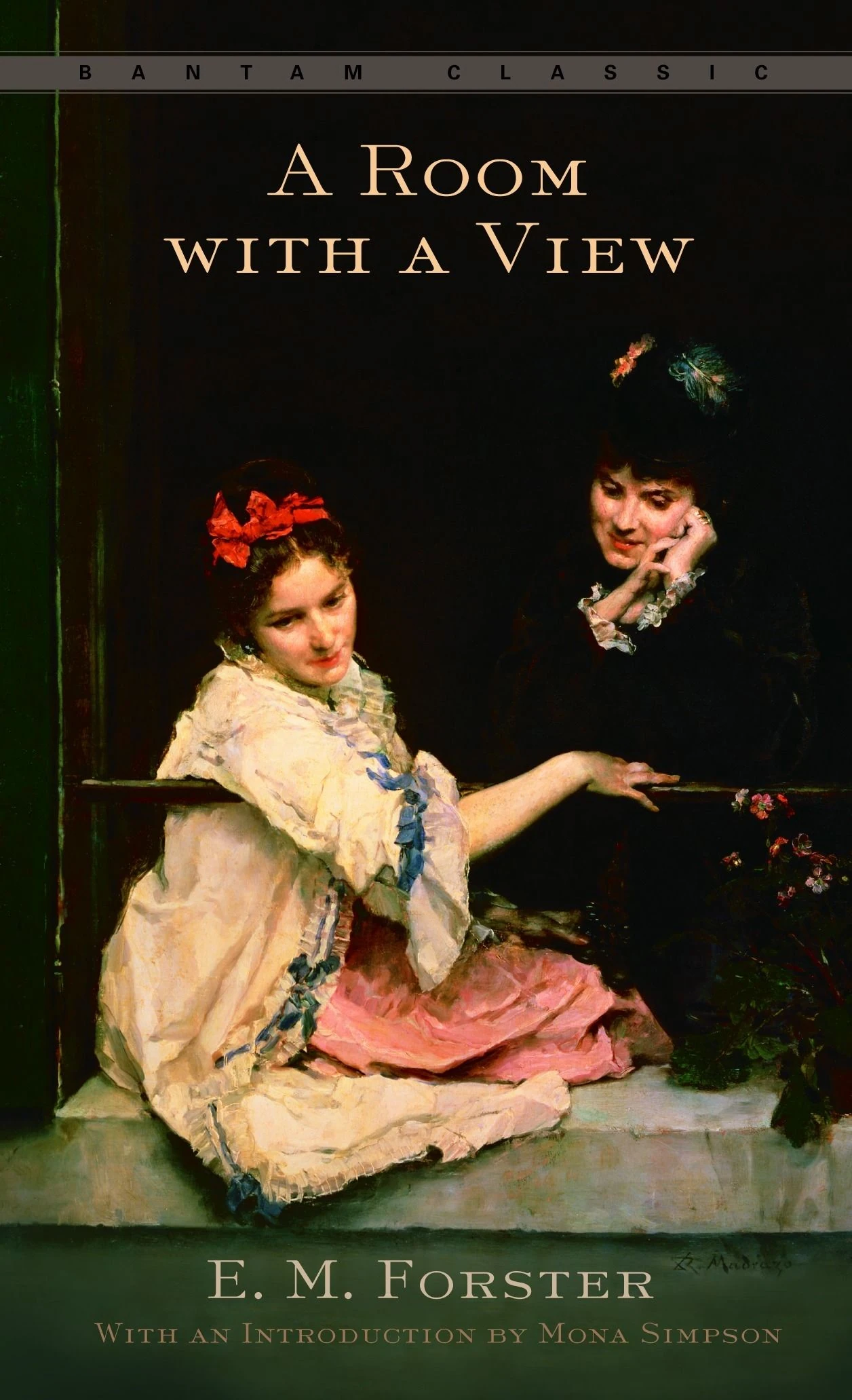
A Room with a View by E.M. Forster: A Timeless British Classic
Introduction
"A Room with a View," written by Edward Morgan Forster in 1908, stands as a testament to British literature's unmatched ability to blend social critique, romanticism, and cultural exploration. This novel has not only enchanted readers for over a century but has also provided profound insights into the interplay between societal norms and individual desires. Forster’s work illuminates the shifting sands of Edwardian society and remains a touchstone for discussions on personal freedom and societal constraints.
Synopsis
The narrative revolves around Lucy Honeychurch, a young woman from England, who embarks on a transformative journey to Italy. The story begins in Florence, where Lucy and her chaperone, Miss Bartlett, find themselves discontent with their accommodations, leading to Lucy’s consequential meeting with the unconventional George Emerson. This chance encounter sets the stage for Lucy’s internal conflict between her repressive upbringing and the liberating experiences and emotions she encounters in Italy.
Writing and Authorship
E.M. Forster, born in London in 1879, was a formidable figure in early 20th-century literature. Forster was a member of the Bloomsbury Group, an influential collective of writers, intellectuals, and artists. His writing often mirrors his own life experiences and observations, blending refined literary style with incisive social critique. "A Room with a View" is acclaimed for its elegant prose, rich characterisation, and its incisive take on the mores of Edwardian society.
Critical Acclaim and Contribution to British Legacy
Upon its release, "A Room with a View" was celebrated for its insightful portrayal of the clash between societal expectations and the pursuit of personal happiness. The novel has been praised for its vivid depiction of Italy and its evocative narrative that juxtaposes the idyllic Tuscan landscape against the rigid social straitjacket of England. Forster’s exploration of themes such as self-discovery, love, and societal expectations speaks to readers across generations, making it a timeless piece of literature.
The book’s success has been bolstered by its compelling characters, particularly Lucy, who embodies the struggle for self-determination. Forster crafts a narrative that critiques the superficiality of the upper-middle-class Edwardian society and underscores the importance of following one’s heart.
"A Room with a View" has not only survived the ravages of time but has thrived, continuing to charm and challenge readers around the world. Its adaptation into an award-winning film in 1985, directed by James Ivory, brought Forster's vision to an even broader audience, further cementing its place in British cultural heritage.
Legacy and Importance
Forster’s novel offers enduring wisdom on the importance of authenticity and self-expression. Through Lucy's journey, readers are encouraged to reflect on their own lives and societal bindings. The book skillfully balances humorous social commentary with poignant moments of introspection and has inspired countless readers to question societal norms and pursue their true desires.
"A Room with a View" holds a revered position in the canon of British literature due to its lyrical writing, profound themes, and its unique ability to intertwine the personal with the universal. It remains not just a reflection of Edwardian society, but a mirror for generations to come.
Where to Buy
If you're looking to add this significant piece of British literature to your collection, you can find "A Room with a View" on Amazon and other major book retailers.
In celebrating "A Room with a View," we honour not just a novel, but a masterpiece that has helped shape and illuminate the British literary landscape, offering an ever-relevant exploration of the human spirit and societal conventions.