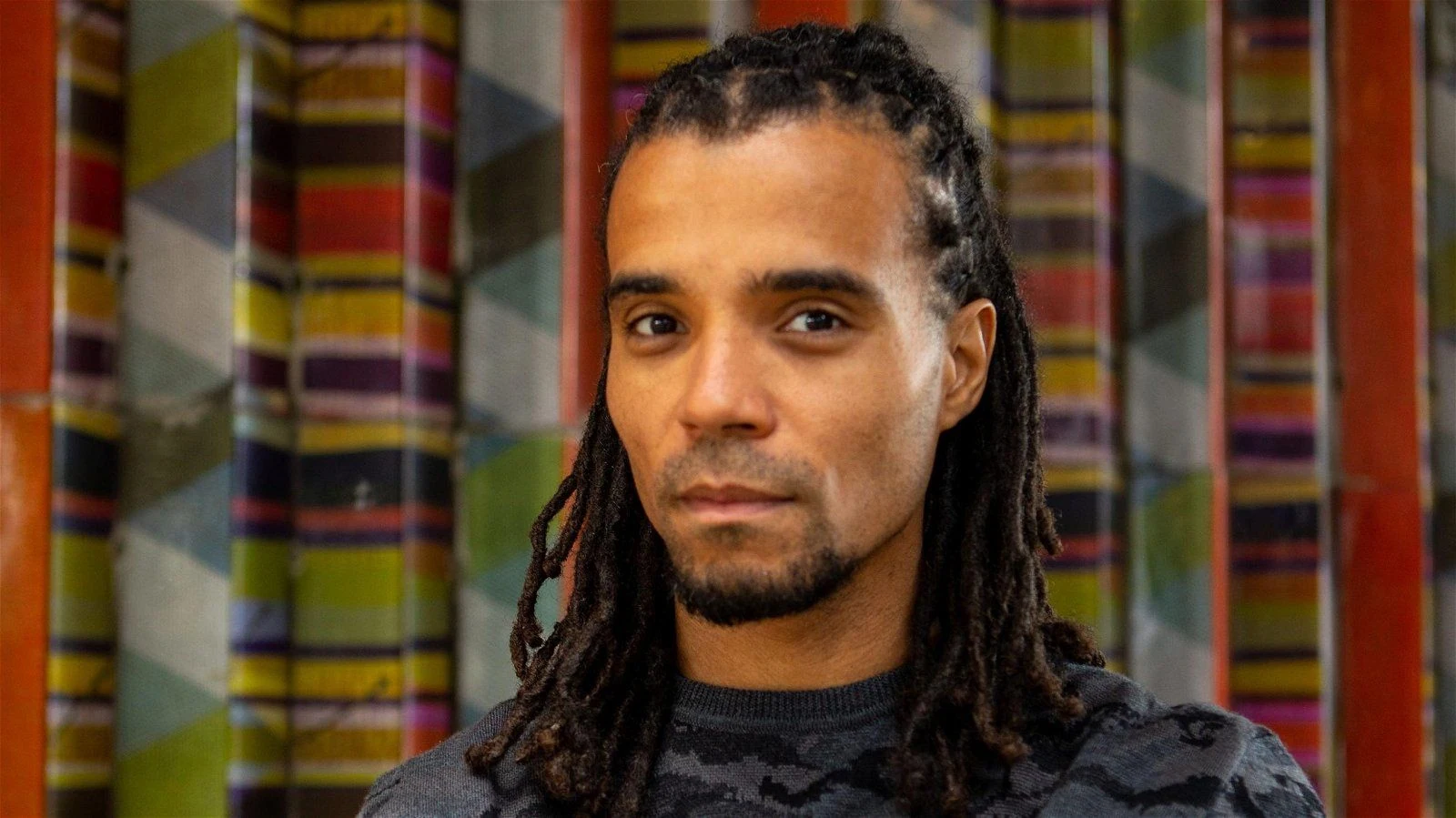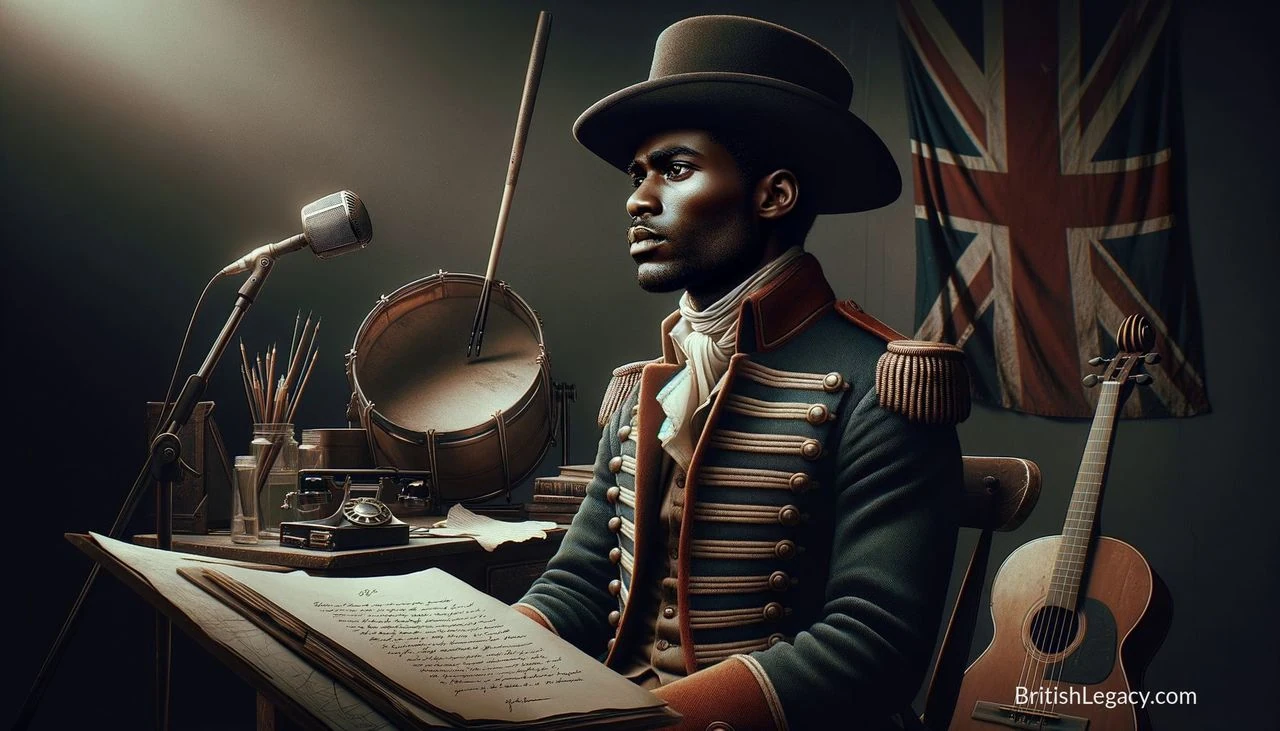
Akala’s work brings together forms that are often kept apart. A rapper, writer, educator and public commentator, he has used music and performance to take difficult questions about race, class and Britain’s past to audiences well beyond the university or the history book. His achievement is not simply that he discusses those subjects in different settings. It is that he makes the connections between them part of the work itself: between personal experience and social structures, hip-hop and Shakespeare, and imperial history and contemporary life in Britain.
Born Kingslee James McLean Daley on 1 December 1983, Akala became known through the British music scene. His songs combine historical references, personal insight and social criticism. His book Natives: Race and Class in the Ruins of Empire brings memoir together with analysis, while his educational work uses Shakespeare and hip-hop to engage young people with language, history and their own potential. Taken together, these strands form a public project: making serious ideas accessible without stripping them of complexity.
Rap as a form of public argument
Akala’s work as a rapper gave him a way to make argument part of performance. Rap can carry rapid changes of thought and emphasis; in the account of his music, that capacity sits alongside rhythm, wit and close attention to language. His lyrics draw on history and personal experience as well as social criticism. They do not treat politics as an explanation added after the art. The ideas are expressed through the art’s craft.
The song Shakespeare offers a clear example of this approach. It is presented as both a display of verbal skill and a connection between young audiences, classical literature and alternative accounts of British history. That combination challenges a familiar division between contemporary music and established literary culture. Rather than asking listeners to choose between them, Akala uses one to open a route into the other. The link is not only a matter of subject: both forms reward attention to language, rhythm and performance.
This method gives social questions a life beyond a formal debate. A song can reach people who might not choose an academic history or public lecture; it can place questions of inequality, memory and identity within a work that is also designed to be heard and felt. The supplied accounts describe Akala’s music as compelling as well as educational. Its public value, in that description, lies in joining lyrical dexterity to ideas and helping those ideas travel.
That does not mean music can settle every argument it raises. Its contribution is different: it can make subjects memorable, bring them into conversation and invite listeners to reconsider the assumptions behind familiar stories. Akala’s use of rap matters because it treats popular form as capable of carrying serious thought, rather than as a distraction from it.
Memoir and the structures around it
In Natives: Race and Class in the Ruins of Empire, Akala moves from music into sustained prose. The book is described in the supplied material as a combination of memoir and critical analysis. That pairing lets an individual account remain personal while asking what it reveals about a wider society. Experience is neither detached from its social setting nor made to stand in for every other life.
The subjects identified in the account include systemic racism, class and contemporary British society. By placing personal experience alongside analysis, the book examines how broad issues meet ordinary lives. Institutions, assumptions and inherited inequalities are not abstract subjects in this approach; they are considered in relation to the people who encounter them. Memoir supplies a perspective and a point of entry, while criticism widens the frame.
The combination also offers a way into debates that can become fixed in slogans. A reader can follow a human account and, at the same time, consider the social structures surrounding it. The source describes the book as nuanced: here, nuance means taking complexity seriously rather than avoiding judgement. The writing’s importance lies in holding personal experience and wider analysis together without reducing either to a simple illustration of the other.
That movement between the individual and the collective echoes Akala’s use of music. In both cases, an accessible form becomes a way to examine larger questions. The listener or reader is not asked to choose between a personal story and a discussion of institutions. Each can sharpen the other, giving public debates a human scale while making it possible to look beyond any one person’s experience.
Making a route into Shakespeare and history
Akala co-founded the Hip-hop Shakespeare Company, an organisation that uses Shakespeare and hip-hop to engage young people with language, history and their potential. The idea rests on a connection between two performance traditions rather than a demand that one replace the other. It gives young people a route into literature through forms that already value rhythm, verbal agility and expressive language.
That approach questions the division between what is labelled high culture and what is dismissed as merely popular. Shakespeare and hip-hop can both be examined for their choices of language, imagery and timing. Bringing them together makes those shared qualities available for discussion and can help establish that literary study need not require students to leave their own cultural references at the door.
The educational work is also described as a form of empowerment. Knowledge, in this account, is not an ornament or a test of cultural status. It can help young people read the world with greater confidence, express themselves and recognise that they belong in conversations from which they might otherwise feel excluded. This is broader than making a lesson more engaging: the aim is to connect language and history with a sense of possibility.
The company’s premise reflects a recurring feature of Akala’s work: building connections between audiences and material they may have been encouraged to see as distant. In music, a song can lead towards a literary or historical question; in education, a familiar contemporary form can provide an entry into an established text. Neither connection depends on pretending that the traditions are identical. Their differences can be part of what makes comparison useful.
Empire, memory and present-day Britain
A central subject in Akala’s public work is the legacy of the British Empire and its continuing effects on race relations in the UK. The supplied material describes him as challenging the glorification of empire and drawing attention to aspects of history that are often overlooked or whitewashed. His argument, as presented there, is that the past should not be sealed off from questions about the present.
National stories influence what a society notices, excuses or leaves out. When a history is told in a way that smooths over injustice, it can limit public understanding of how the present took shape. Akala’s intervention asks audiences to look again at those accounts and to consider how historical injustice continues to have consequences. The connection between imperial memory and contemporary race relations makes history relevant to current public life rather than a subject confined to another era.
This is not simply an argument about condemning the past. It is also a question of how Britain understands itself now: what it remembers, how it describes belonging and which experiences its shared story includes. The supplied account characterises Akala’s approach as an invitation to a fuller and more inclusive historical narrative. That invitation can prompt disagreement, but its purpose is to make the discussion more serious, not to substitute one easy version of the past for another.
By taking these arguments into music, books and public appearances, Akala reaches people through more than one route. The same broad questions can be encountered as lyrics, personal narrative or commentary. This range does not remove the difficulty of the subjects. It allows them to enter different conversations and gives audiences more than one way to approach them.
Speaking across audiences
Akala’s influence, according to the supplied account, extends to public speaking and media commentary, in settings that range from universities to television. Those appearances carry ideas first developed in music or writing into more direct public discussion. They also bring him before audiences who may know his work through different routes.
The ability to make complex issues accessible is a consistent theme in the descriptions of his work. Accessibility need not mean simplification. A speaker has to choose language and structure that help an audience follow an argument while retaining its substance. The account credits Akala with making difficult issues understandable to a wide demographic, a skill that complements the way his music and writing move between personal experience and larger social questions.
The awards named in the supplied material recognise work in different areas. They include a MOBO Award for Best Hip-Hop Act and a BAFTA Children’s Award connected with the educational programme Arts and Minds. The article does not provide further award dates or programme details, so the significance here is limited to the recognition it records: one honour relates to his musical work, and the other to educational television work. Together they reflect the range of the career described, without making music and education competing parts of it.
Across these settings, Akala is presented as a musician, writer, educator and commentator. The labels are useful, but the more distinctive feature of his career is how he connects them. A subject raised in a song can be explored through memoir and criticism; educational work can bring literature into relation with contemporary music; public speaking can take those questions to another audience. The forms differ, but the attention to language, history and social life runs through them.
Why Akala deserves a place in British Legacy
Akala deserves a place in British Legacy because his work has made a sustained contribution to how Britain discusses race, class and its imperial past. His connection to the country is direct: he works in the British music scene and addresses contemporary British society, while challenging audiences in the UK to examine the stories they inherit about the nation. He has made those questions available through songs, a book combining memoir and analysis, educational work and public commentary. The significance is not only that serious subjects appear in popular culture. It is that different forms of culture can help people approach the same difficult questions from different directions.
His method is especially clear in the connections he makes. Shakespeare brings hip-hop into relation with classical literature and alternative accounts of British history. The Hip-hop Shakespeare Company uses that relationship to engage young people with language, history and potential. Natives joins personal experience to criticism of wider social conditions. Across these examples, education is more than the transfer of information: it is a means of helping audiences understand their place in cultural and historical conversations. That work benefits public life by widening access to literature and argument without treating either as the preserve of a specialist class.
Akala’s place in British Legacy also rests on his insistence that national history matters to the present. By questioning celebratory accounts of empire and linking historical memory to contemporary race relations, he encourages a more inclusive discussion of Britain’s past and the inequalities associated with it. The supplied material does not establish that his arguments resolve those debates, nor should a feature claim that they do. It does show a career devoted to bringing them before broad audiences in accessible forms. His example is valuable precisely because it joins artistry, education and critical inquiry: it opens cultural doors, invites closer attention to history and helps make public conversation more thoughtful.