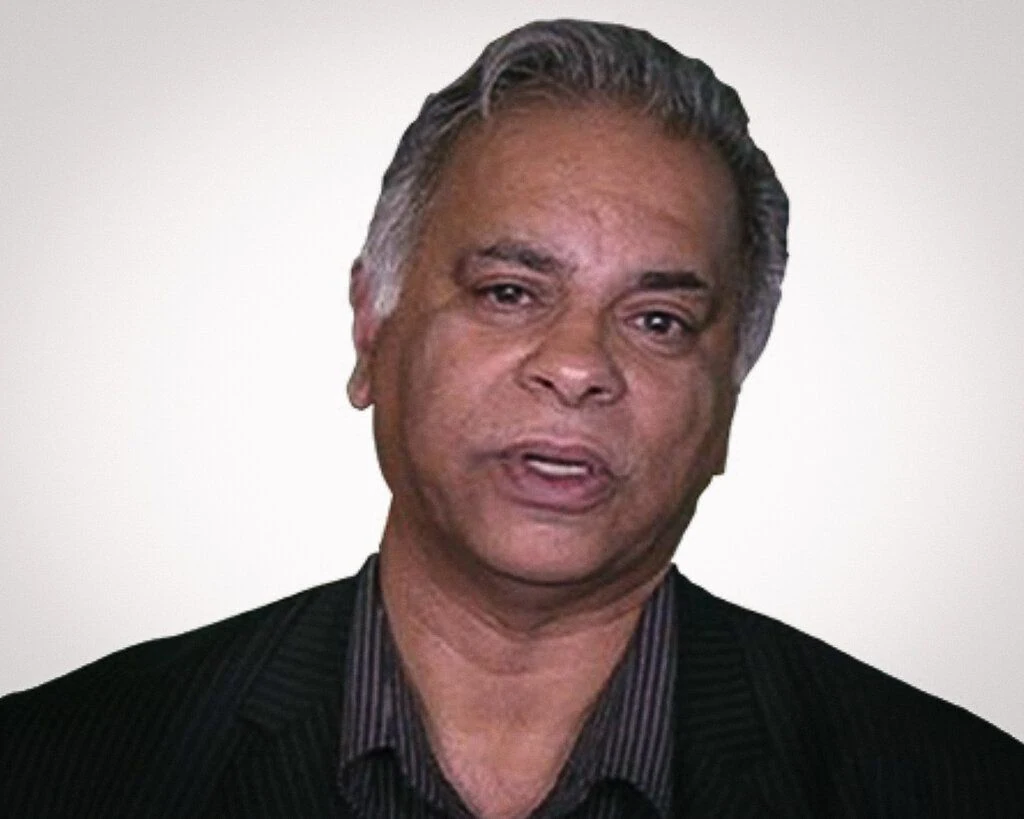
Suresh Grover’s work has centred on a difficult, persistent task: standing with families after racist violence and deaths in custody, and pressing institutions to answer for what happened. Through his association with The Monitoring Group, he helped turn individual cases of grief and uncertainty into sustained public campaigns about justice, policing and the treatment of people in state care.
The supplied accounts place his campaigning in Southall and connect it to cases that became part of Britain’s wider debate about racism and official responsibility. They describe a practical contribution: organising support for families and keeping their concerns in public view. They offer little detail about Grover’s early life or the individual actions he took in each campaign. The feature therefore concentrates on the work and causes they establish, without claiming that he alone brought about inquiries or reform.
Migration, discrimination and a practical form of activism
The imported account says Grover was born into a family that encountered the trials of migration. It presents early experience of racial discrimination and social injustice as part of the background to his later campaigning. The material supplies no further detail about his childhood, so a fuller personal chronology cannot be drawn from these accounts. What they do connect is that formative experience with a commitment to challenge inequality and advocate for marginalised communities.
The language used to describe his work is grounded in action: support, advocacy, solidarity and accountability. The accounts do not present him simply as a commentator on injustice. They associate him with working alongside people affected by racial violence and with efforts to make public institutions answer questions about their actions. For families confronting grief and official processes, practical support can matter as much as public argument: it can help them persist when the process is long and attention has moved elsewhere.
The British setting is central. The questions at the heart of this work concern how public institutions treated minority citizens, how police power was examined and whether bereaved families could expect their concerns to be taken seriously. The cases discussed in the supplied material bring those questions into different settings: a murder investigation, a family’s search for answers and the safety of a young man in prison custody.
The Monitoring Group and organised support
Grover is closely associated with The Monitoring Group, originally known as the Southall Monitoring Group. The accounts say the organisation emerged in the early 1980s amid racial tension and violence, and link its creation to the death of Blair Peach. Peach, a teacher and anti-racism campaigner, was killed during a protest against the far-right National Front in Southall, west London.
The supplied accounts differ over Grover’s precise role at the organisation’s founding: the current article calls him a co-founder, while the imported material calls him its founder in one place and describes the group as co-founded in another. They do not resolve that discrepancy. This feature therefore describes his association with The Monitoring Group without assigning him sole founder status.
The organisation was established to support victims of racial violence and campaign against institutional racism, particularly within the police. The imported account says it provided families with legal and emotional support. Those functions belong together. Support can help people confront the immediate consequences of a case; campaigning can bring wider questions about institutional conduct into public view. The group’s work, as described in the supplied material, joined both.
That combination helps explain why the organisation matters beyond any one campaign. Individual cases differ, and public attention can move on. An organisation can retain experience and continue to support families and pursue scrutiny over time. The articles associate Grover with this sustained effort: building support around people affected and linking their concerns to wider questions about institutional practice. They do not, however, provide operational detail about the group’s structure or the particular services it offered in individual cases.
The Stephen Lawrence campaign and institutional racism
The murder of Stephen Lawrence in 1993 is described in the imported article as a watershed in the struggle against institutional racism in the United Kingdom. The supplied accounts place Grover among those who supported the Lawrence family and helped sustain public pressure. They do not set out a detailed sequence of his actions in the campaign, so his contribution is described at that level rather than expanded with unsupported particulars.
The campaign led to the Macpherson Inquiry and the 1999 Macpherson Report. According to the supplied article, the report declared the Metropolitan Police institutionally racist and led to significant reforms in police practices. The finding changed the terms of the debate described in the source material: attention moved beyond the conduct of individual officers to the possibility that institutional practices and assumptions could themselves produce injustice.
That change connects the Lawrence case to the broader work attributed to Grover. Seeking justice in a particular case and examining the conditions that may allow failures to persist are related tasks. The supplied accounts describe him as part of the effort to keep attention on the family’s campaign and press for answers. They do not establish that he alone brought about the inquiry or its findings.
The case’s significance, in this account, was both personal and public. The Lawrence family sought justice following the murder of their son; the inquiry and report also raised questions about the conduct of a major British police force. The campaign became a national reference point in arguments about institutional responsibility, and Grover’s association with it places his work within that wider debate.
Ricky Reel, Zahid Mubarek and the duty of care
The supplied articles also identify Grover as a key figure in campaigns for Ricky Reel and Zahid Mubarek. These cases extended the concerns attached to his work from racial violence and police investigations to the state’s responsibility for people in custody.
Ricky Reel, described in the imported account as a young Asian man, died in suspicious circumstances in 1997. The article says Grover championed his family and helped keep issues of racial bias in police investigations in public discussion. The supplied material does not set out the full course of the investigation or give a finding about bias. It does identify the campaign and the concerns that it kept in view.
Zahid Mubarek was murdered by a racist cellmate at Feltham Young Offenders’ Institution in 2000, according to the supplied accounts. They say Grover’s efforts contributed to the public inquiry that reported in 2006. The case brought the safety of people in custody into focus: responsibility for a young man’s welfare rested within an institution charged with his care, not only with the individuals involved in the immediate events.
The imported article attributes improvements in prison management and the treatment of Black, Asian and minority ethnic inmates to the inquiry. The supplied material does not specify those changes or establish their extent, so that claimed outcome cannot be described more fully here. It does establish that the campaign contributed to a public inquiry and that the inquiry highlighted systemic failures. That scrutiny is part of the case’s place in the account of Grover’s campaigning.
Together, the cases show the range of institutions and responsibilities at issue: the police investigation following a death, the response to a family seeking answers, and the protection of a young man held in custody. The supplied material presents Grover’s campaigning as a refusal to let these concerns disappear from public view. Its emphasis is on family advocacy and the wider questions their cases raised, rather than on a complete record of each campaign’s proceedings.
Solidarity, accountability and cultural change
The ideals associated with Grover in the imported article include equality, justice, human rights, community solidarity and the need to hold institutions accountable. In the supplied accounts, these are tied to visible work: supporting families, advocating for people affected by racial violence and keeping scrutiny on public bodies. The principles are not presented as a separate programme with a detailed list of policies or projects.
Community solidarity matters in the circumstances described. Racist violence and official failure can leave people feeling that their experiences will be minimised or forgotten. An organisation that provides advocacy can give families company, practical support and a way to make their concerns public. The Monitoring Group is described as providing that kind of support while also campaigning against institutional racism. This joined-up approach treats a family’s experience as important in itself and as a matter that may expose wider institutional failures.
The work is not confined to law enforcement in the supplied account. The imported article connects Grover’s activism with broader cultural and social changes needed for equality. It does not specify particular initiatives in that field, but the connection is consistent with the cases it names: inquiries and campaigns address institutional conduct, while public attitudes also affect whether people are believed, protected and treated fairly. The material thus presents his concerns as reaching beyond individual investigations, without providing enough detail to attribute specific cultural changes to his work.
The imported article says Grover’s dedication resonates beyond the United Kingdom through the wider struggle for justice and human dignity. The examples supplied here are rooted in British cases and institutions. Their wider relevance lies in the questions they raise about public duty and accountability, rather than in any unsupported claim about activity beyond Britain.
Why Suresh Grover deserves a place in British Legacy
Suresh Grover deserves a place in British Legacy because the supplied accounts connect him to a sustained effort to ensure that families affected by racial violence and deaths in custody were not left to challenge public institutions alone. Through his association with The Monitoring Group, he is linked to campaigning that joined practical support with demands for scrutiny. That combination matters: families need support as they pursue answers, and the public needs to understand when a case raises questions beyond the experience of one household.
The cases associated with Grover mark important points in Britain’s argument about institutional responsibility. The Stephen Lawrence campaign helped sustain attention around a case followed by the Macpherson Inquiry and a report that declared the Metropolitan Police institutionally racist. The campaign for Ricky Reel kept questions about the investigation of a young Asian man’s death in public discussion. The campaign for Zahid Mubarek contributed, according to the supplied account, to a public inquiry into a murder in custody. Each brought a different institution and duty into focus: police investigation, the treatment of families seeking answers, and the protection of people held by the state.
These accounts do not support a claim that one campaigner alone secured reform, nor do they provide enough detail to quantify the consequences of each campaign. They do describe a concrete contribution: helping organise support and persistence around families seeking justice, and linking individual cases to scrutiny of institutions. That belongs in a British story about how public accountability is demanded—not automatically granted, but pursued by people insisting that grief and injustice must be heard and examined.
Southall, the Lawrence campaign, the concerns raised by Ricky Reel’s family and the inquiry into Zahid Mubarek’s murder connect Grover’s work to British public life. His place in this account rests on the persistence of that advocacy and its focus on fairness, citizenship and public duty. It shows how organised solidarity can help families keep pressing their questions, and how those questions can become part of a wider national discussion about what institutions owe the people they serve.