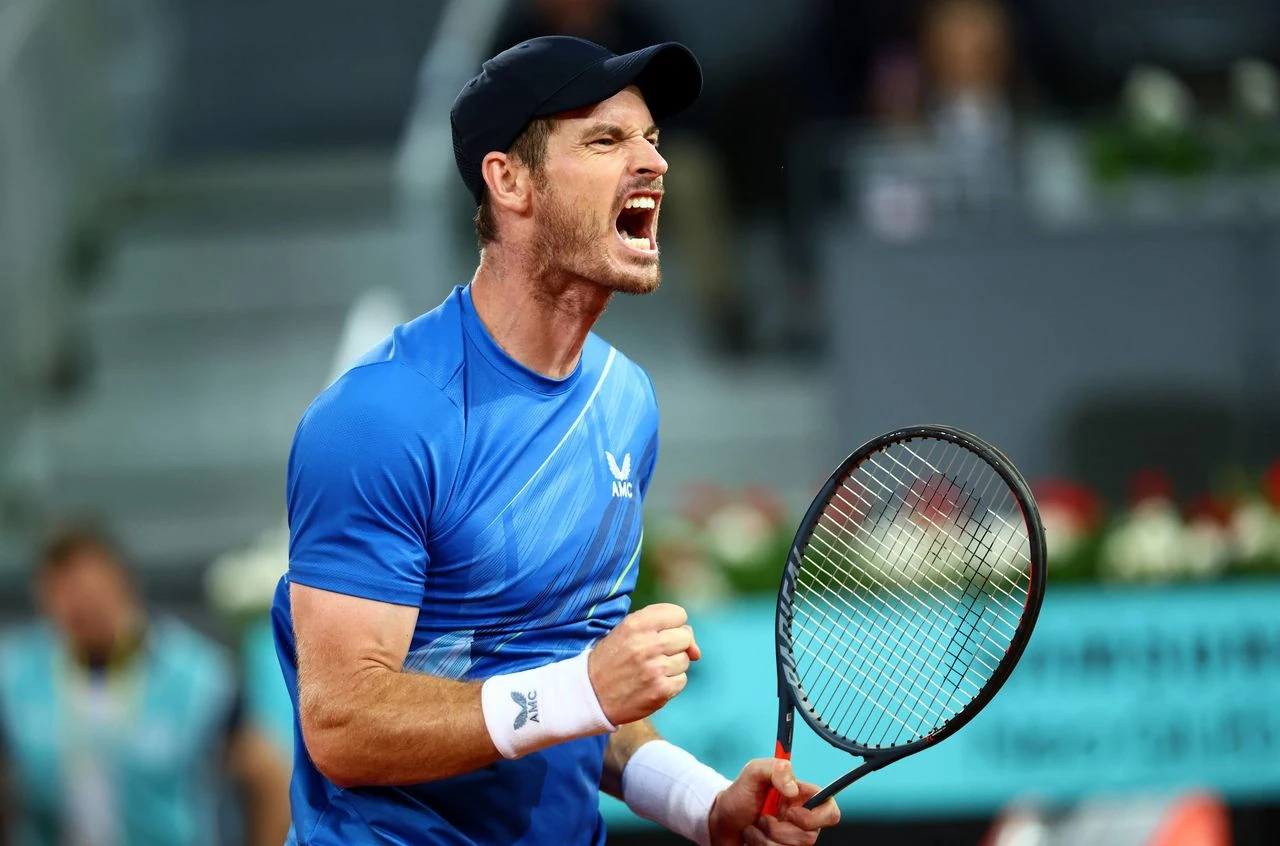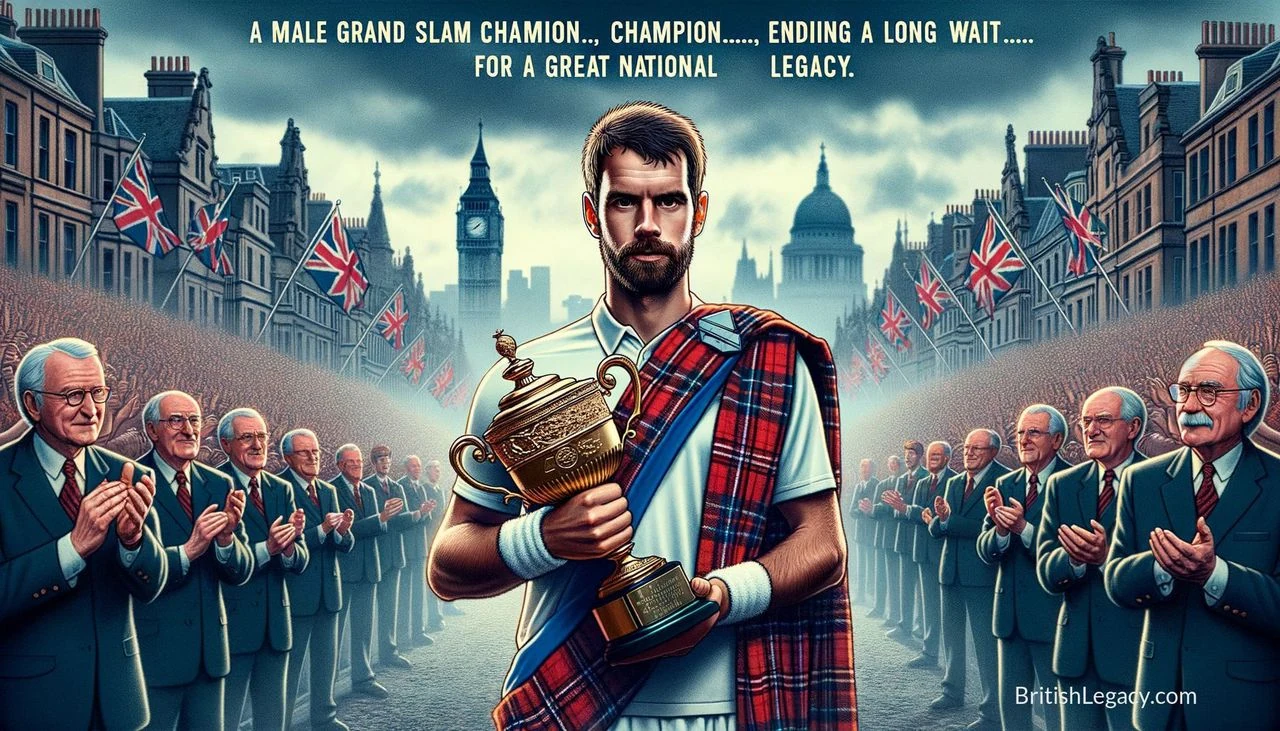
When Andy Murray beat Novak Djokovic in the 2012 US Open final, he became the first British man to win a major singles title since Fred Perry in 1936. A year later, he ended another long wait by winning the Wimbledon men’s singles title. Those victories made him a national sporting figure, but they were part of a larger career: Murray reached world No. 1, won three major singles titles and two Olympic singles gold medals, and helped Great Britain win the Davis Cup.
From Dunblane to the professional tour
Andrew Barron Murray was born in Glasgow on 15 May 1987 and grew up in Dunblane. His mother, Judy, introduced him to tennis when he was three; his older brother, Jamie, also became a professional player. Murray began competing as a child and won the junior US Open in 2004, the same year he was named BBC Young Sports Personality of the Year.
At 15, he moved to Barcelona to train at the Sánchez-Casal Academy, choosing tennis over an opportunity to train with Rangers’ football School of Excellence. The move meant leaving home for intensive training on clay courts. He turned professional in 2005 and reached the third round at Wimbledon that year, an early sign of the progress to come.
Murray won his first ATP title in San Jose in 2006 and became British No. 1 later that year. His rise continued: he reached the world top 10 in 2007 and finished 2008 ranked fourth after reaching his first major final, at the US Open, where Roger Federer beat him. In 2009 he climbed to world No. 2, then the highest ranking achieved by a British man in the Open Era.
Major titles and a place among the best
Murray’s breakthrough at a major came in New York in 2012. He beat Djokovic in a five-set final to win the US Open, becoming the first British man to claim a major singles title since Perry. The victory followed a summer in which he had lost the Wimbledon final to Federer, then returned to the same Centre Court to defeat Federer in the Olympic singles final and win gold for Great Britain. At the London Games he also won a silver medal in mixed doubles with Laura Robson.
In July 2013, Murray beat Djokovic in straight sets to win Wimbledon. He was the first British man to take the men’s singles title since Perry in 1936. He had reached the final the previous year, and his 2013 win ended a 77-year gap between British men’s champions at the tournament. The achievement was not the end of his major success: in 2016 he won Wimbledon again, beating Milos Raonic in the final.
That second Wimbledon title formed part of Murray’s outstanding 2016 season. He defended his Olympic singles gold in Rio, becoming the first player, male or female, to win two Olympic singles gold medals. He also won the ATP Finals and finished the year as world No. 1, a ranking he held for 41 weeks. Across his career he won 46 ATP Tour singles titles, including 14 Masters events, and reached 11 major finals, winning three.
Great Britain’s Davis Cup and a wider example
Murray’s achievements were not confined to individual tournaments. In 2015 he led Great Britain to its first Davis Cup title in the Open Era. He won all eight of his singles rubbers that season, including matches in the final against Belgium, which Britain won 3–1. The team’s success gave his career a distinct collective dimension: alongside his own trophies, he helped restore Britain to the top of an international competition in which the country had not won since 1936.
He also spoke publicly in support of women players and coaches. In 2014, he appointed former world No. 1 Amélie Mauresmo as his coach, becoming only the second top-10 player in ATP Tour history to have a female coach. He challenged an interviewer who overlooked the achievements of Venus and Serena Williams and argued for equal recognition and prize money for women in tennis. His actions gave that advocacy practical weight within a sport where female coaches were uncommon at the highest level.
His career also involved a prolonged struggle with injury. A hip problem forced him out of competition in 2017; after returning, he underwent hip-resurfacing surgery in January 2019. He subsequently returned to the tour and won the European Open later that year. Further injuries limited his final seasons. Murray announced in July 2024 that he would retire after the Paris Olympics, where he played doubles with Dan Evans and reached the quarter-finals. He ended his professional playing career in August 2024.
Recognition and a changing role
Murray was appointed an Officer of the Order of the British Empire in 2013 and knighted in 2017 for services to tennis and charity. He was named BBC Sports Personality of the Year in 2013, 2015 and 2016, and received the Arthur Ashe Humanitarian of the Year award in 2014 and 2022. His charitable work included supporting Malaria No More UK and taking part in fundraising events for cancer charities.
After retiring, Murray moved into coaching. He worked with Djokovic in 2025, his former rival in many of the defining matches of his career. That short partnership was a striking postscript to a playing career built around competing against the sport’s leading players. The defining record, however, remains his own: three major titles, two Olympic singles golds, a Davis Cup triumph and the year-end No. 1 ranking.
Why Andy Murray deserves a place in British Legacy
Murray’s place in British sporting history rests on achievements that are both specific and consequential. His 2012 US Open victory made him the first British man to win a major singles title since Fred Perry; his Wimbledon victories in 2013 and 2016 made him the first British man since Perry to win the men’s singles there. In 2016 he reached world No. 1 and defended his Olympic singles title, a distinction no other player, male or female, had achieved. These milestones gave British tennis a champion at the highest level across the majors, the Olympics and the world rankings.
His contribution also extended beyond individual success. Murray helped Great Britain win the Davis Cup in 2015, winning all eight of his singles rubbers in the campaign. His support for women players and coaches was expressed through both public interventions and the appointment of Mauresmo, making equality part of the story of his professional choices as well as his commentary. And after a serious hip injury and surgery, he returned to competition before eventually retiring at the 2024 Olympics. Together, these achievements connect his Scottish upbringing and British sporting representation with lasting changes in the visibility of British tennis and the example set for future players.
Sources
Andy Murray — Wikipedia revision 1378403378 · Andy Murray — Wikipedia
Adapted in part from Andy Murray by Wikipedia contributors, under CC BY-SA 4.0. Text has been edited and combined with the existing article; this adapted text is shared under the same licence. Contributor history.