The Battle of Passchendaele: A Testament to British Resilience in World War I
The Battle of Passchendaele, or the Third Battle of Ypres, is a significant chapter in British military history that unfolded during the First World War, from July to November 1917. This brutal campaign, often remembered for its horrific conditions and staggering casualties, symbolises the attrition warfare that came to characterise much of the Great War. Beyond its immediate military objectives, Passchendaele epitomises the extraordinary endurance of British soldiers and the immense sacrifices made in pursuit of peace.
A Grim Theatre of War
The objectives of the battle were straightforward yet ambitious: to break through German lines, secure the ridges that guarded the Belgian coast, and eliminate the enemy's submarine bases. Passchendaele, located in the Flanders region of Belgium, became the focal point of Allied efforts to gain control over this strategic territory.
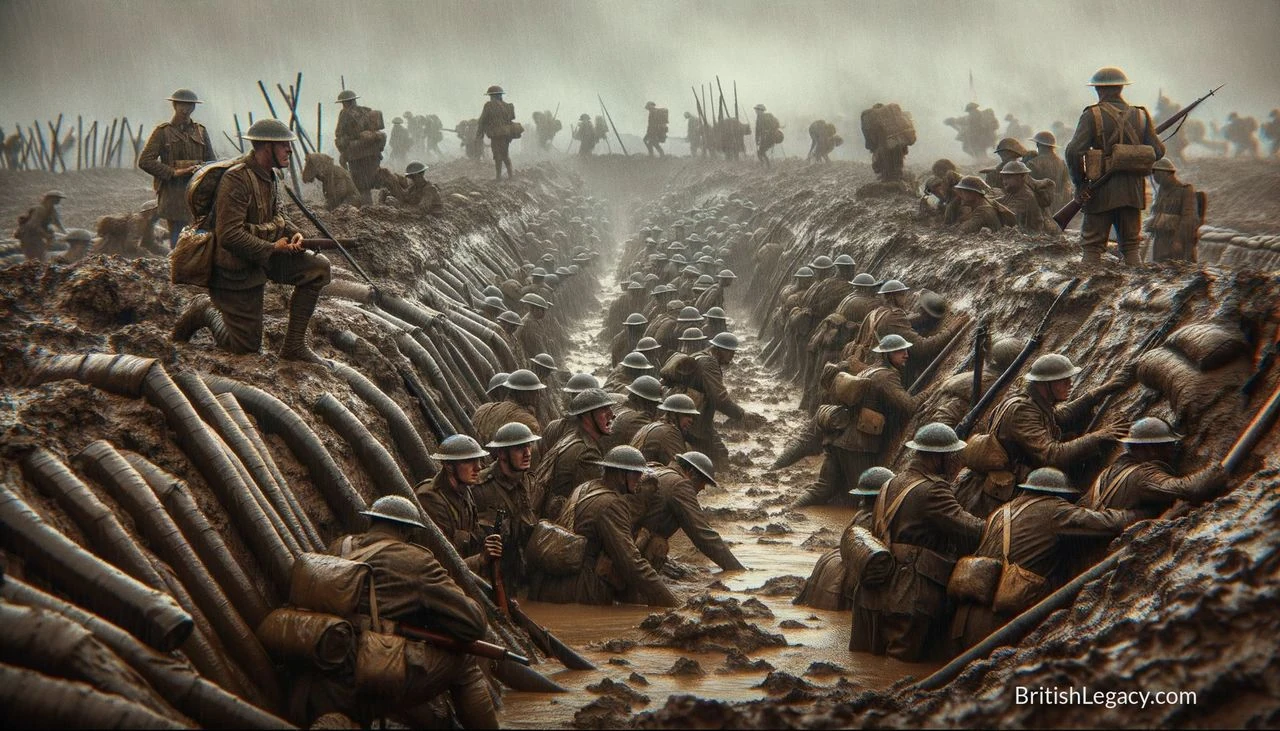
However, what awaited the British and their allies was an environment more akin to a nightmare than a battleground. Torrential rains transformed the battlefield into a quagmire, with knee-deep mud that swallowed men, horses, and equipment whole. The waterlogged ground rendered trenches and dugouts nearly useless, forcing soldiers to endure the elements in the open.
The Cost of Attrition
The conditions at Passchendaele compounded the already grueling nature of trench warfare. Soldiers faced relentless artillery bombardments, machine-gun fire, and the ever-present threat of gas attacks. The mud not only slowed advances to a crawl but also drastically impacted the evacuation and treatment of the wounded, many of whom perished not from their injuries but from exposure and infection.
Throughout the campaign, both sides experienced heavy casualties. Estimates suggest that the British and Commonwealth forces suffered approximately 275,000 casualties, while the Germans incurred around 220,000. The high cost of human life at Passchendaele underscores the brutal reality of attrition warfare, where the objective was often to wear down the enemy until they could no longer sustain their defences.
Symbol of British Resilience
Despite the seemingly insurmountable odds, the courage and tenacity of the British soldiers shone through. The name "Passchendaele" has since become synonymous with determination against adversity. Stories of individual heroism and solidarity abound, highlighting the remarkable spirit of those who fought and died in the mire of Flanders.
Among the most poignant reminders of this spirit is the story of Private John Meikle, who, despite being wounded, pressed on to capture and hold strategic positions, later receiving the Victoria Cross posthumously for his bravery. Acts of valour like his are emblematic of the collective effort and sacrifice that defined British participation in the First World War.
Enduring Legacy
Passchendaele's legacy is one of profound importance, shaping not just military tactics and strategies, but also national consciousness. The battle serves as a somber reminder of the horrors of war and the price of freedom. It reinforces the value of unity and perseverance, qualities that have cemented Britain's reputation for resilience throughout its history.
Every year, commemorations at the Tyne Cot Cemetery and Memorial in Belgium allow us to honour the memory of those who perished. These ceremonies ensure that the lessons of Passchendaele remain ingrained in the fabric of British heritage.
Wrap-Up
In the grand tapestry of British history, the Battle of Passchendaele stands out as a stark symbol of the hardships endured and the indomitable spirit exhibited during the First World War. It is a testament to bravery in the face of unimaginable suffering and a pivotal moment that continues to shape our understanding of sacrifice and resilience. The memory of Passchendaele, enshrined in British legacy, teaches us the enduring value of perseverance and unity in the pursuit of a just cause.
By understanding and remembering events such as the Battle of Passchendaele, we pay tribute to the countless individuals who have shaped the great British legacy, ensuring that their contributions continue to inspire future generations worldwide.