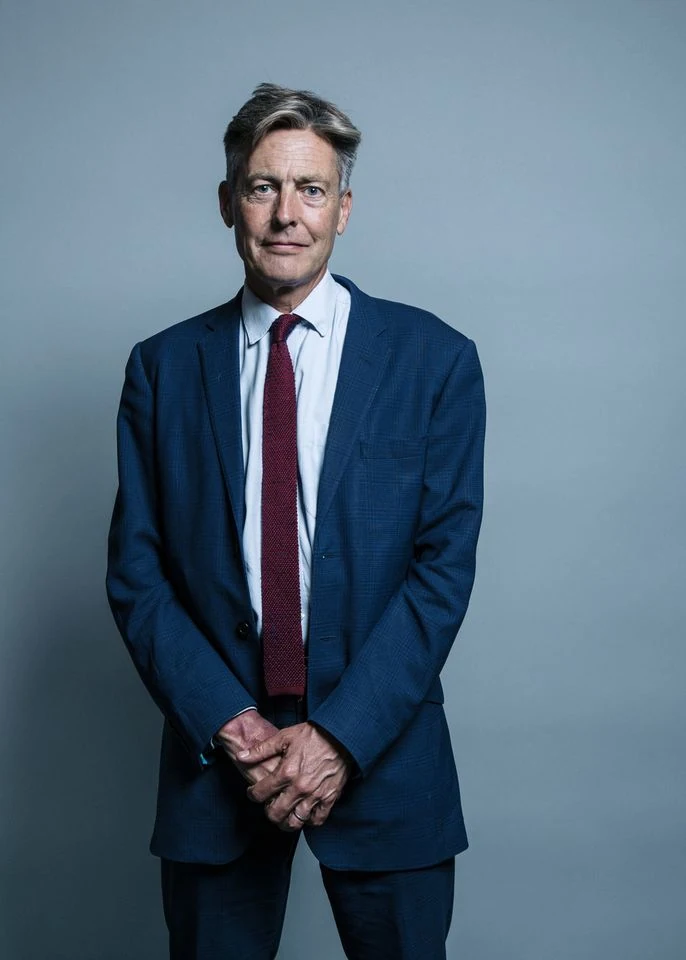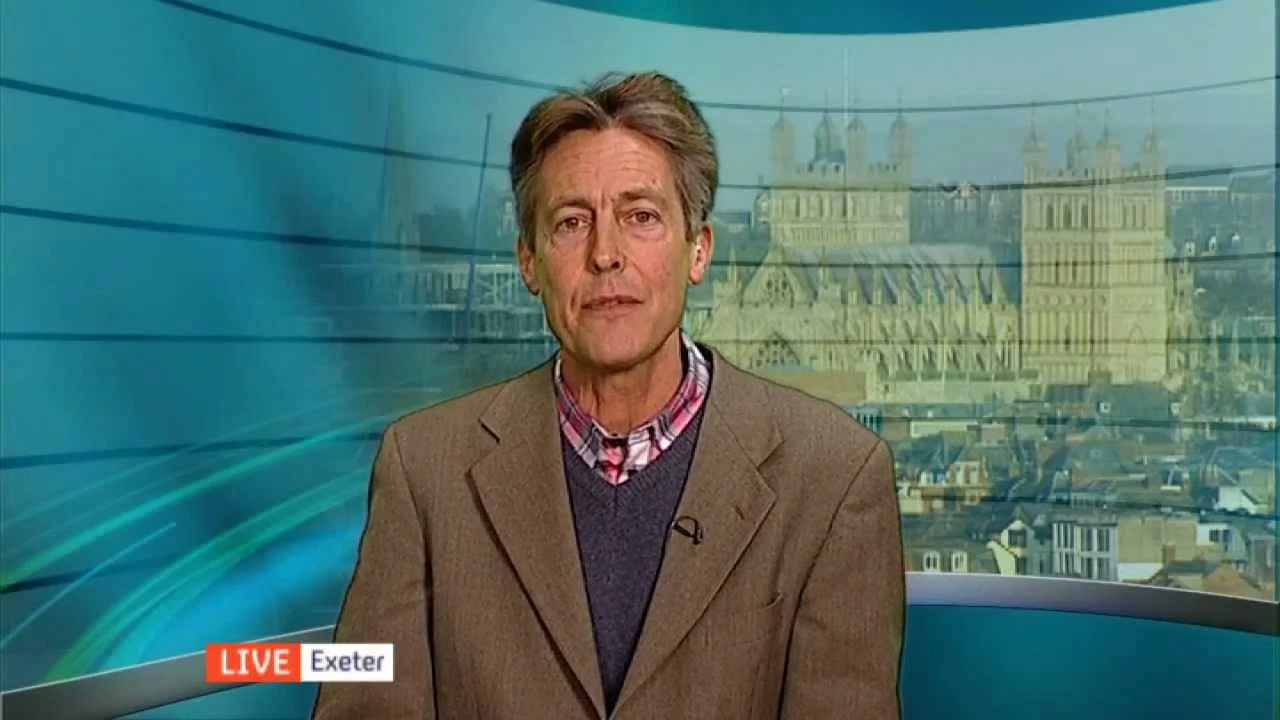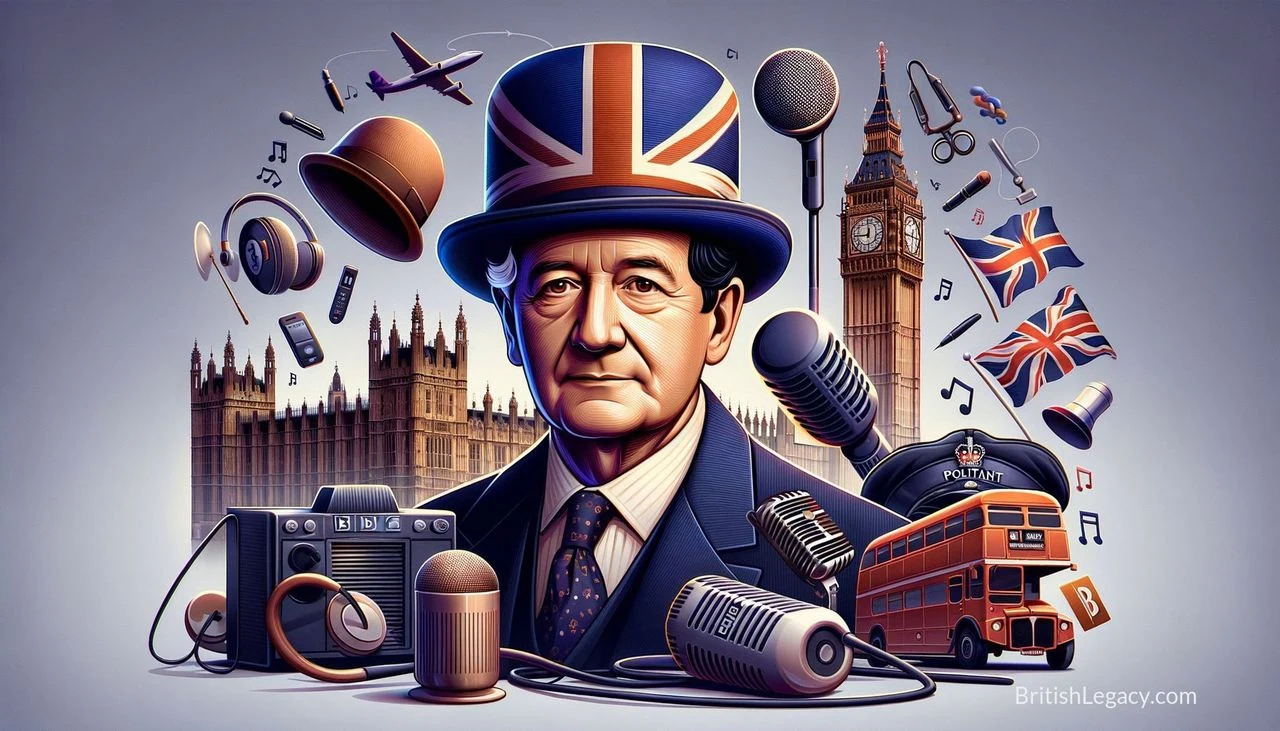
Ben Bradshaw’s career, as described in the supplied account, took him from BBC journalism into elected politics and ministerial office. The connection between those fields gives the account its central thread: a reporter’s work in broadcasting followed by public responsibilities that included broadcasting and culture. The source provides a broad outline rather than a detailed record of individual reports, parliamentary work or policy outcomes, so the story is best told through the roles and transitions it does describe.
Education and BBC work
The account says Bradshaw attended Thorpe St Andrew School in Norwich and went on to the University of Sussex. It gives no dates for his education, but places his early professional career in journalism. He joined BBC Radio Devon, it says, before moving into reporting for BBC radio and television.
The article associates his reporting with the fall of the Berlin Wall and the Gulf War, and says he worked on the BBC programme From Our Own Correspondent. These details sketch the range of work attributed to him, from radio and television reporting to a programme built around correspondent accounts. The source does not name particular reports or give dates for these assignments; its descriptions of the quality and standing of his journalism are assessments rather than examples that can be examined here.
From journalism to Parliament
According to the supplied article, Bradshaw entered politics in 1997 and was elected as Labour Member of Parliament for Exeter. That move changed the setting of his work, from reporting on public events to representing a constituency and taking part in politics. The source presents his journalistic background as relevant to his understanding of how media and politics affect one another, though it does not identify a particular parliamentary intervention or explain how that experience shaped a campaign or decision.
The transition is therefore a clear feature of the career as the article recounts it, while the practical effects of the transition remain less fully described. The supplied account offers no details of constituency casework, speeches or votes. It supports a concise chronology, rather than a comprehensive assessment of his parliamentary record.
Broadcasting and culture in government
The article says Bradshaw became Minister for Broadcasting at the Department for Culture, Media and Sport. It associates the role with efforts to modernise British broadcasting in response to digital media and regulatory challenges. No named policy, decision or outcome is supplied, so those efforts can be described only in the general terms of the account.
It also says he served briefly as Secretary of State for Culture, Media and Sport. The article characterises his work in that office as concerned with the public interest in a changing media environment and with fair, responsible reporting. Those are stated aims and interpretations in the source; it gives no specific example by which to measure their effect. The two reported offices nevertheless place broadcasting and culture at the centre of the political strand of the career it describes.
A career connecting media and public life
The original article’s main argument is that Bradshaw’s reported movement between journalism and politics connects the two professions. Its outline gives that argument a concrete basis in the sequence of BBC work, election as MP for Exeter and subsequent ministerial responsibilities. It also identifies a shared subject across those roles: broadcasting, first as a field in which he worked as a journalist and later as part of his government portfolio.
Claims that his career influenced both journalism and politics, or that he remains a point of reference in debates about media, are broader than the examples supplied. The article does not name a specific reform, report or parliamentary contribution to substantiate them. Keeping the distinction between its documented outline and its conclusions makes the account more useful: it preserves the proposed connection without treating general praise as evidence of particular results.
Why Ben Bradshaw deserves a place in British Legacy
The supplied account gives Bradshaw a specifically British public-life context through his reported BBC career, election as Labour MP for Exeter and ministerial work at the Department for Culture, Media and Sport. Taken together, those roles provide a useful way to consider how broadcasting relates to political representation and government. His career, as presented here, is not simply a change of profession: it brings reporting and public responsibility into the same story, with broadcasting appearing in both.
That connection is the strongest supported reason to include him in British Legacy. The article supplies a career outline, but not enough detail to claim particular broadcasting reforms, parliamentary achievements or lasting effects. A measured account can still preserve what is distinctive: a reported route from BBC reporting to elected office, followed by responsibilities that included broadcasting and culture. It is a relevant British story because its institutions and roles are part of the country’s media and political life, while the limits of the available account should remain clear.