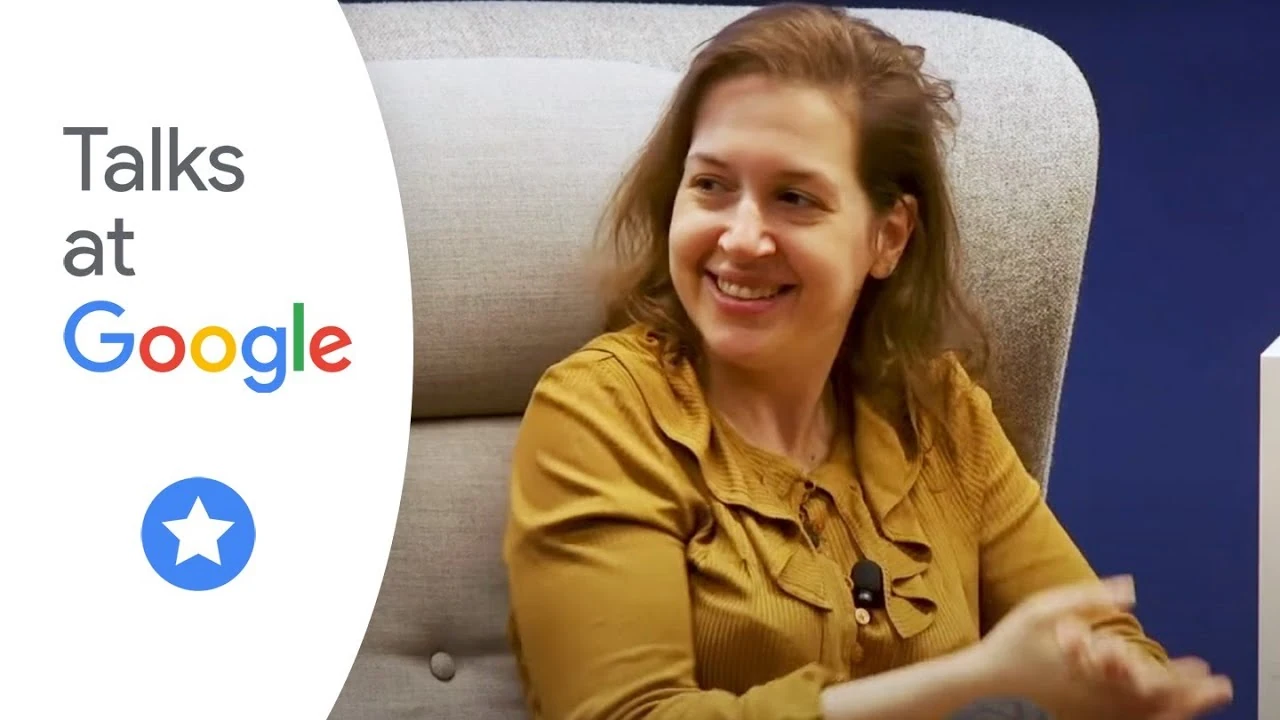
Hadley Freeman’s career, as described in the supplied account, began with fashion writing at The Guardian and widened into commentary on celebrity culture, politics, gender and mental health. Her subjects span immediate public debate and the longer view of family history: she has written about cosmetic surgery culture and, in House of Glass, the story of her Jewish ancestors. The account also places her work between Britain and the United States, drawing connections between the cultures and politics of both countries.
From fashion to public life
The supplied biography says Freeman began contributing to The Guardian in 2000 as a fashion writer. It describes her work as broadening over time to cover celebrity culture, politics, gender issues and mental health. Fashion is the starting point in this account, not the limit of her subject matter: the range moves from questions of style towards wider discussions of culture and society.
The original article characterises her columns as friendly yet incisive, with intellectual rigour and humour making weighty subjects accessible. These are assessments of her style rather than independently measured judgements, but they explain the qualities the article associates with her work: close analysis delivered in an approachable voice. The supplied text presents that combination as a thread running through her different subjects.
Gender, power and beauty standards
The account identifies Freeman’s interviews and articles connected with the #MeToo movement as an important strand of her reporting. It says she addressed gender and power dynamics and brought attention to systemic issues in Hollywood and beyond. It also describes the work as resonating with victims of harassment and abuse while offering the general public a nuanced understanding. No particular interviews or articles are named, so the supplied material does not allow a more detailed account of their content or reception.
Questions about social expectations also feature in the account of Be Awesome: Modern Life for Modern Ladies, which it dates to 2013. The book is described as an examination of cosmetic surgery culture and the pressures that can lead women towards extreme and perilous measures. The article says Freeman drew on extensive interviews and investigative research, and presents the book as a critique of those pressures and a call to reconsider modern beauty standards. Its focus, as described here, links personal decisions about appearance with expectations placed on women more broadly.
Between Britain and the United States
The supplied text says Freeman spent significant time in the United States and brings a transatlantic perspective to her coverage of American society and its relationship with British culture. It describes her comparative writing as a way of helping readers understand wider political and cultural trends. This places her work in a conversation between the two countries rather than limiting it to either national setting.
One piece singled out in the account reflects on cultural and political divisions between the UK and the US after Brexit and during the Trump administration. The article describes it as combining personal anecdotes with broader social and political commentary, and says it engaged readers on both sides of the Atlantic. It does not identify the piece or provide publication details, so its specific argument cannot be set out here. Its subject nevertheless illustrates the comparative approach the source associates with Freeman’s writing.
Family history and broadcast work
House of Glass: The Story and Secrets of a Twentieth-Century Jewish Family turns from contemporary commentary to family history. The supplied account describes it as a memoir about Freeman’s Jewish ancestors, connecting personal history with identity, resilience and the historical forces that shape individual lives. That subject gives the account of her books a longer perspective: alongside writing about current culture, it includes an exploration of heritage and the past.
The same source says Freeman has contributed to the BBC, Channel 4 and radio programmes, and describes her as a sought-after panellist on politics and popular culture. It names no programmes or dates, so these appearances cannot be arranged into a chronology. They add broadcasting to the newspaper and book work described in the article.
Across these strands, the supplied biography presents recurring interests in gender and power, expectations around appearance, political and cultural life, and the relationship between Britain and the United States. Its broad claims about Freeman’s influence and standing are evaluations rather than documented measures. The specific work it names, however, gives a clearer account of the range it attributes to her: fashion writing, commentary, books and broadcast discussion.
Why Hadley Freeman deserves a place in British Legacy
Freeman merits a place in a record of British journalism for the range of work attributed to her in the supplied account. It describes a Guardian career beginning with fashion writing and extending to politics, celebrity culture, gender and mental health. That movement matters because it puts discussion of appearance and popular culture alongside questions of power and public life. The article identifies her #MeToo-related reporting and her 2013 book on cosmetic surgery culture as examples of work engaging with gender and social expectations. The specific reports are not named, so their impact should not be overstated; their subjects nevertheless show the breadth of the career as the source presents it.
The account also gives that work a British and transatlantic dimension. Its description of commentary comparing American society with British culture, including a piece set after Brexit and during the Trump administration, points to writing that considers how political and cultural change looks on either side of the Atlantic. House of Glass adds Jewish family history and questions of identity to this picture, bringing the past into a body of work that also addresses contemporary debate. Together, these subjects offer readers routes into discussions of gender, culture, national difference and heritage. The British connection is specific to the supplied text: it places Freeman at The Guardian and describes her writing on British culture in relation to the United States.