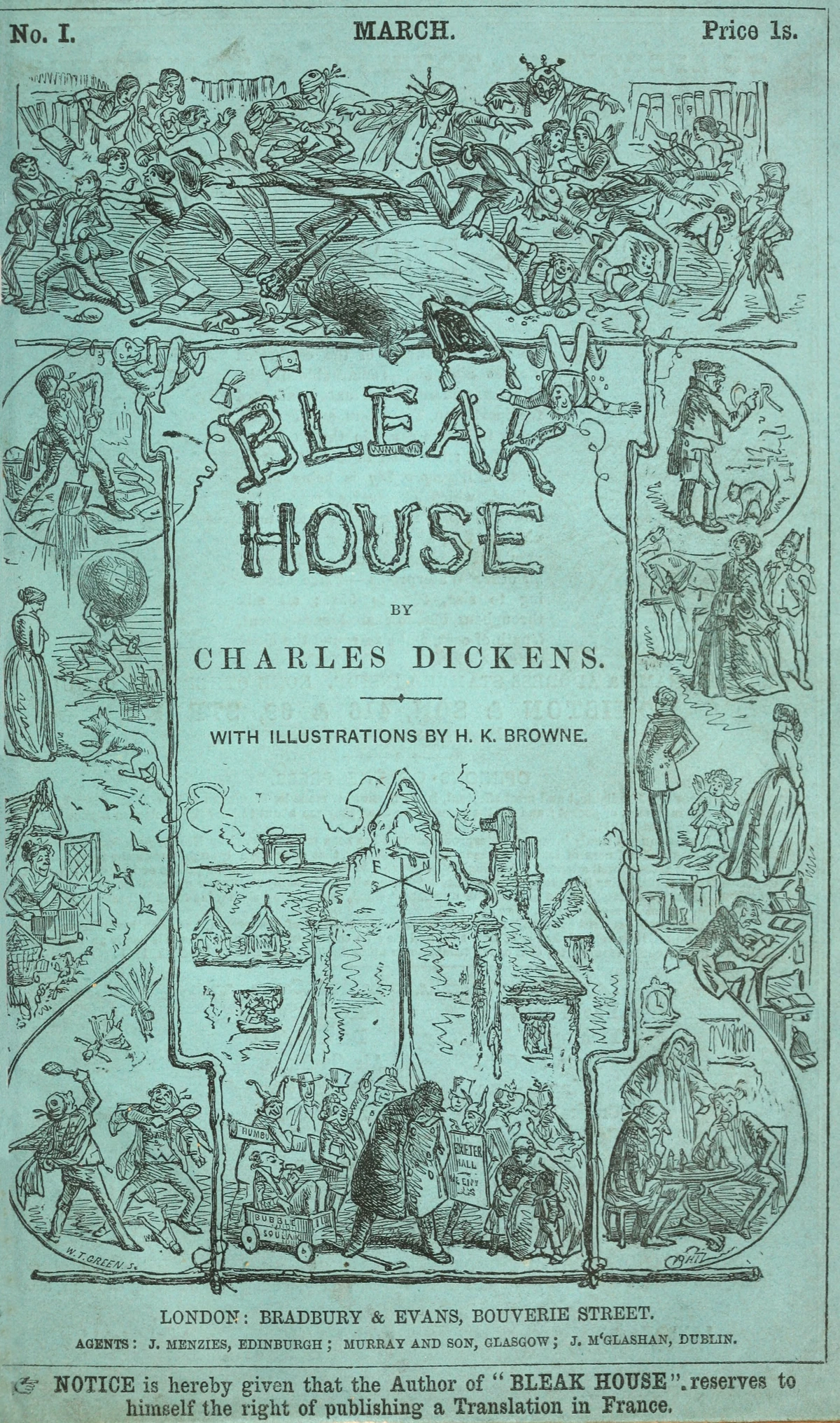
Bleak House by Charles Dickens: A Pillar of British Literary Legacy
Introduction to the Work:
Bleak House, a masterpiece by Charles Dickens, is often heralded as one of the most significant works in English literature. First published in serial form between March 1852 and September 1853, this profound novel is known for its intricate narrative and scathing social critique. Dickens utilises a vast array of characters and subplots to expose and critique the deep inefficiencies of the British legal system, making it a relevant and timeless piece of literature.
Overview and Summary:
Bleak House centres around the convoluted and interminable Chancery case of Jarndyce and Jarndyce, which has ensnared numerous individuals in its web of legal wrangling and suspense. The novel opens in the midst of London's thick, encompassing fog—a metaphor for the obscured and convoluted machinations of the legal world it is about to dissect.
The story follows various characters, each with their own subplots intricately woven into the grand tapestry of the narrative. Esther Summerson, one of the central figures and one of the narrators, is an orphan whose parentage and life intertwine with the plot of the Chancery case. The other narrator is omniscient, giving readers a panoramic view of Victorian society and its flaws.
Charles Dickens introduces a vast roster of characters, each serving a purpose in the grand critique of societal ills, including the inefficacy and corruption of the legal system, poverty, and class struggles. Through these characters and their predicaments, Dickens paints a vivid picture of the social environment of his time.
Genesis and Authorship:
Charles Dickens, one of Britain's most celebrated authors, was inspired to pen Bleak House after witnessing the ponderous and oppressive workings of the Court of Chancery. His own legal disputes and his observations of the bureaucratic quagmire served as a catalyst for the novel's creation. Dickens combined his gift for storytelling with a genuine desire for social reform, creating a powerful narrative that called for change.
The themes in Bleak House transcend time. The issues of legal reform, the complexity of human relationships, and the fight against systemic corruption resonate with readers even today. Dickens' inimitable style—marked by his use of vivid descriptions, engaging dialogue, and unforgettable characters—ensures that Bleak House remains a captivating read for contemporary audiences.
Success and Contribution:
Bleak House was immediately successful upon its release, resonating with readers for its thrilling storytelling and acute social commentary. It not only highlighted the flaws in the legal system but also stirred public discourse, raising awareness about the need for reform.
Today, Bleak House is considered a cornerstone of British literature. Its legacy is cemented by its contribution to legal reform discussions and its profound influence on subsequent generations of writers and readers. The novel remains a testament to Dickens' brilliance and his unwavering commitment to social justice.
Conclusion:
In sum, Bleak House is more than just a novel—it is a powerful critique of the societal and systemic flaws of Dickens' time, many of which echo issues in today's world. This work continues to inspire readers with its compelling narrative and Dickens' unmatched ability to blend entertainment with social critique.
For those looking to explore this monumental piece of British literature, Bleak House is available for purchase on Amazon.
By delving into Bleak House, readers embark on a journey that not only provides literary enjoyment but also imparts valuable lessons about justice, compassion, and the unyielding spirit of humanity.
This article aims to provide a comprehensive view of Bleak House for those interested in the accomplishments of British literature and its enduring legacy.