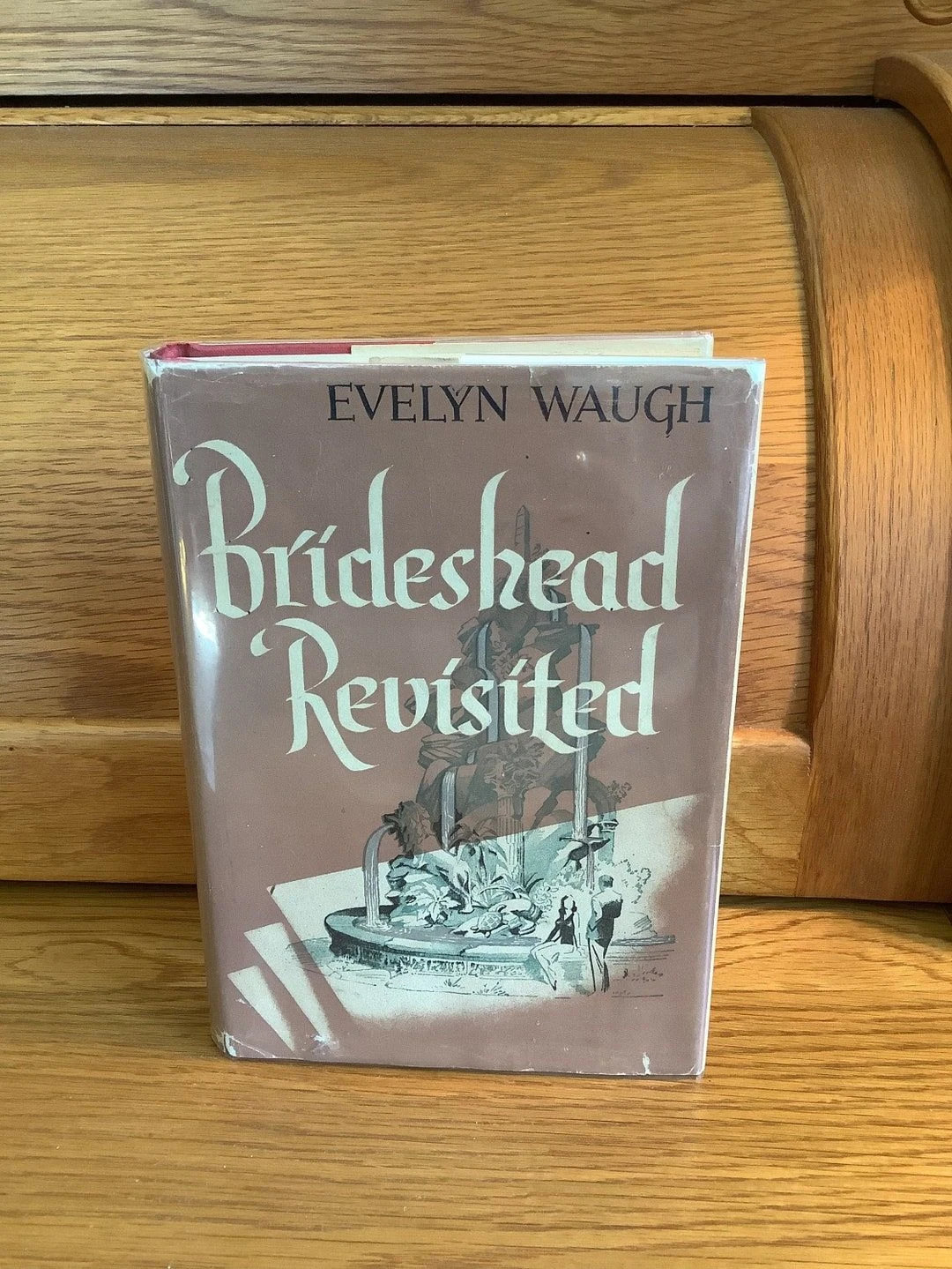
"Brideshead Revisited" by Evelyn Waugh: A Pillar of British Literary Legacy
Evelyn Waugh's masterpiece, "Brideshead Revisited," occupies a prestigious place within the pantheon of British literature. Published in 1945, this novel not only captures the quintessence of British aristocracy and Catholic heritage but also delves deeply into themes of faith, nostalgia, and the inevitable passage of time. Through its richly depicted characters and evocative settings, it presents a poignant exploration of human experience and morality.
About the Book
"Brideshead Revisited" is framed around the memories of Charles Ryder, an indifferent yet observant narrator. The story is set in the interwar period and revolves around the aristocratic Flyte family, particularly the enigmatic Sebastian Flyte and his spiritually torn sister, Julia. Charles's intricate relationship with the Flyte family, and his indelible connection to their lavish ancestral home—Brideshead Castle—form the crux of the novel.
Summary
The narrative begins with Charles Ryder's time as a student at Oxford, where he befriends the charismatic and unpredictable Sebastian Flyte. The opulence and eccentricity of the Flyte family, coupled with the grandeur of Brideshead Castle, charm Charles. However, the Flytes' staunch Catholic faith introduces a complex web of loyalties and emotional tribulations. As the story unfolds, Charles's perception of faith and his own identity undergo profound transformations, shaped by his interactions with the Flyte siblings and their deeply troubled mother, Lady Marchmain.
Origins and Authorship
Evelyn Waugh, a prolific British author, was renowned for his sharp wit and satirical prowess. Born in 1903, Waugh converted to Roman Catholicism in 1930, a decision that would heavily influence his later works. "Brideshead Revisited" was written during a period of personal turmoil for Waugh, which included his service in World War II and a tumultuous domestic life. The novel can be seen as both an exploration of his Catholic faith and a nostalgic homage to a disappearing world of aristocratic privilege.
Success and Contribution
Upon its release, "Brideshead Revisited" garnered critical acclaim, cementing Waugh's position as one of the 20th century's literary giants. Its success was bolstered by its rich characterisation and lyrical prose, which captured the imagination of readers worldwide. The novel's depiction of the complexities of faith, combined with its nostalgic reflection on a bygone era, resonated deeply, particularly in post-war Britain.
The legacy of "Brideshead Revisited" extends beyond the written word. Its adaptations—for both television and film—underscore its enduring appeal. The 1981 television series, starring Jeremy Irons, remains a landmark production, often cited for its faithful and visually stunning representation of Waugh's work.
Contribution to British Legacy
"Brideshead Revisited" is a cornerstone of British cultural heritage. It offers a window into the interplay of religion, class, and personal growth, underscoring the timelessness of these themes. As a literary work, it challenges readers to confront the transient nature of existence and the overpowering influence of faith and tradition. Its elegant prose and masterful storytelling continue to inspire readers and writers alike, ensuring that its place in the British literary canon remains unassailable.
For those keen to experience this seminal work, "Brideshead Revisited" is available for purchase on Amazon.
In summary, Evelyn Waugh's "Brideshead Revisited" is more than a novel; it is a profound meditation on the human condition, a celebration of literary artistry, and an indispensable part of the British legacy.