Call the Midwife: A Cherished Gem in British Television Heritage
"Call the Midwife" has cemented its place as one of the most cherished, influential, and successful television dramas in British media history. Based on the memoirs of Jennifer Worth, this period drama meticulously revives the vivid and impactful landscapes of London's East End during the 1950s and 1960s. It offers a poignant yet heartwarming exploration into the lives of midwives and the communities they served, painting a vibrant picture of an era characterized by change and resilience.
A Testament to Historical Authenticity
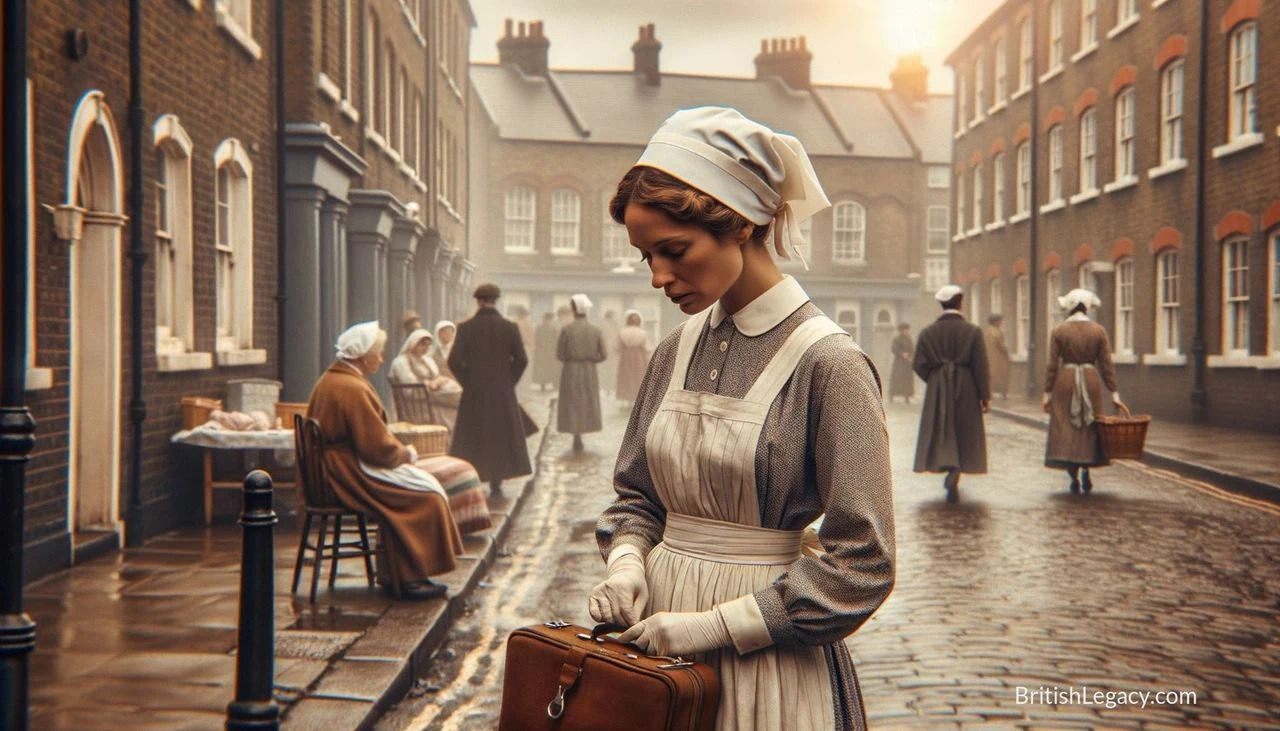
One of the crowning achievements of "Call the Midwife" is its unwavering commitment to authenticity. It intricately recreates the post-war period, offering viewers an immersive experience. From the cobbled streets to the meticulous costume designs, every aspect of the show exudes historical accuracy. The production team takes considerable care to ensure that not just the visual aesthetics, but the societal attitudes, medical practices, and day-to-day struggles of the time are portrayed with utmost fidelity.
Characters that Resonate
At its core, "Call the Midwife" thrives on its compelling character arcs and richly developed personalities. The series revolves around the lives of the nursing nuns and midwives of Nonnatus House, an Anglican convent. Each episode introduces us to new characters from the community they serve, each with their unique tales of joy, sorrow, and perseverance. Characters like the wise and steadfast Sister Julienne (Jenny Agutter), the endearingly naive yet competent Nurse Trixie Franklin (Helen George), and the compassionate Chummy Noakes (Miranda Hart) have become household names, evoking admiration and empathy across generations of viewers.
Social Issues Brought to Light
Beyond its engaging narratives, "Call the Midwife" is celebrated for its courageous treatment of pressing social issues. The series deftly addresses topics such as poverty, racism, and the evolving role of women in society, often ahead of its time in discussing subjects like domestic violence, abortion, and LGBTQ+ rights. By weaving these themes naturally into the storyline, the show not only entertains but also educates, fostering a deeper understanding and empathy amongst its audience.
A Reflection on Medical Progress
A significant aspect of the show's charm lies in its portrayal of midwifery and medical advancements. Each childbirth scene, intricately and thoughtfully depicted, highlights the profound dedication of these midwives and the challenges they faced. It vividly illustrates the evolution in medical care, from home births attended by midwives on bicycles to the beginnings of modern obstetric practices, shedding light on the pivotal role these women played in shaping contemporary healthcare.
Cultural and Global Impact
"Call the Midwife" has garnered international acclaim, broadcasting in over 200 territories worldwide. Its universal themes of compassion, community, and service have resonated deeply with audiences beyond the United Kingdom, making it a cornerstone of British cultural export. Its impact is further magnified by the critical acclaim it has received, including numerous awards and nominations that underscore its artistic and social significance.
A Lasting Legacy
As of its continual production, "Call the Midwife" remains a testament to the power of storytelling and the enduring appeal of dramas rooted in historical and social realities. It stands as an important part of British legacy, offering an insightful window into a transformative period in British history. Through its masterful blend of drama, history, and social commentary, the series not only honours the past but also provides timeless lessons that continue to resonate in today's society.
In summary, "Call the Midwife" is more than just a television series; it is a priceless cultural artefact that encapsulates the spirit of an age. It celebrates the unsung heroes who brought life into the world amidst adversity and change, reminding us of the indomitable human spirit. Its place in British heritage is well-deserved, and its influence will undoubtedly endure for generations to come.