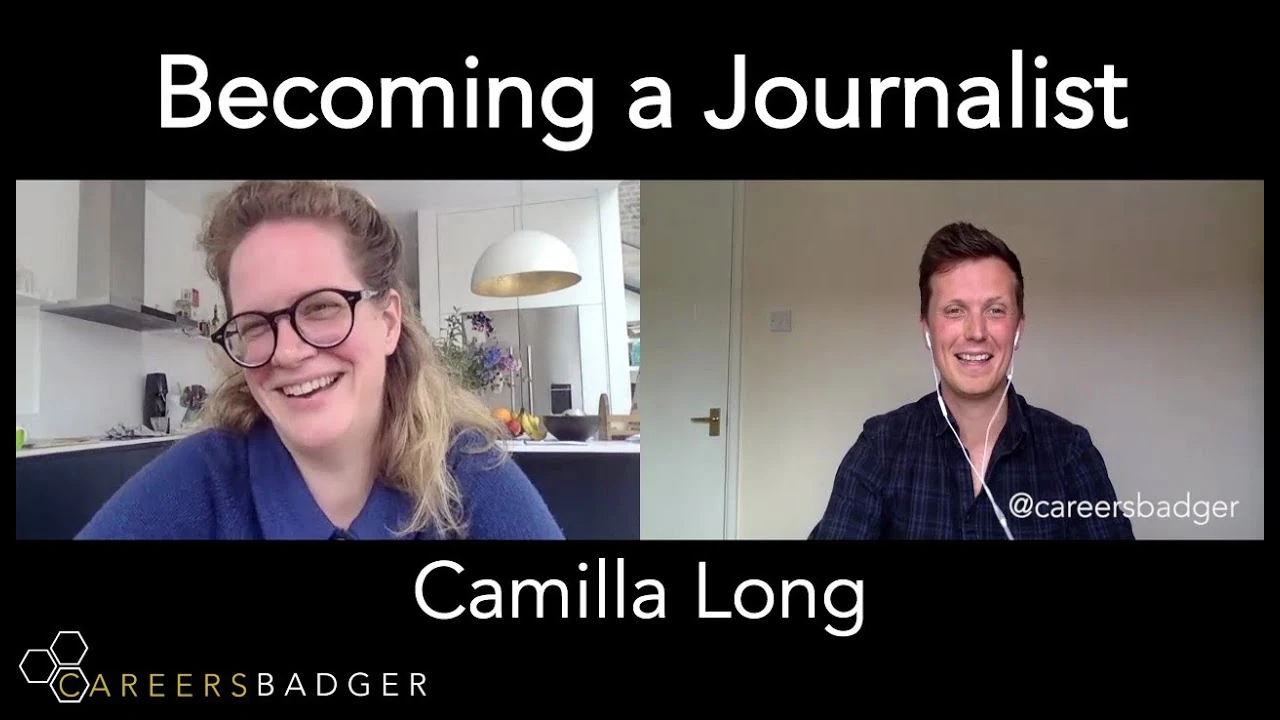
The supplied account identifies Camilla Long as a columnist for The Sunday Times, writing about culture, the media and politics. It describes her tone as humorous, candid and sometimes controversial. It gives no career dates, named columns or examples of particular arguments, so her work is best outlined here through the subjects and qualities the account attributes to it, rather than through an unsupported career narrative.
A columnist across culture, media and politics
The article presents Long’s cultural commentary as concerned with changing tastes and taboos. It characterises her writing as observational and critical, but supplies no individual piece through which to show how she develops an argument or approaches a specific cultural subject.
It also says she writes about the media, including questions of journalistic integrity, digital media and the press’s changing role. The source claims these critiques have prompted discussion, but does not identify a column or a particular response. That distinction matters: the topics are part of the account of her work, while the scale of any effect is not established by the material provided.
On politics, the source describes her commentary as both balanced and biting, and says she writes about complex issues with clarity and wit. Those are assessments in the supplied article, not conclusions that can be tested against examples here. The account offers a broad picture of a columnist working across several areas of public life, but not the detail needed to trace particular positions or changes in her writing over time.
Controversy and recognition
The original account says Long’s views have sometimes attracted criticism from public figures and members of the public. It names no incident, critic or response, so the assertion cannot support a detailed account of controversy. It also claims that she has received several accolades, without naming them. No particular award or honour can therefore be included as an established detail.
Similarly, the source describes Long as influential and suggests that her work has shaped public discourse and inspired future journalists. It provides no examples or evidence for those broader judgements. This feature retains the account’s description of her subjects and style, while avoiding conclusions about the extent of her reach that the supplied material cannot demonstrate.
Why Camilla Long deserves a place in British Legacy
The case for including Long in a British journalism collection rests, in the supplied account, on her work as a Sunday Times columnist and on the range of subjects attributed to her: culture, the press and politics. These are areas in which journalism examines changing public tastes, the conduct and role of the media, and questions of political life. The source’s description of a writer willing to scrutinise the media industry as well as other subjects points to a useful aspect of column writing: the press can itself become an object of public criticism.
The account also portrays Long’s style as humorous, candid and provocative, but offers no named pieces with which to measure that description or establish a lasting influence. A responsible legacy should preserve that distinction. What the material supports is a portrait of the columnist it describes and the fields in which it says she writes; it does not establish particular awards, controversies or effects on readers and colleagues. Keeping those limits visible makes the feature more useful, not less: it records the supplied account of a British newspaper columnist without turning general praise into a documented achievement.