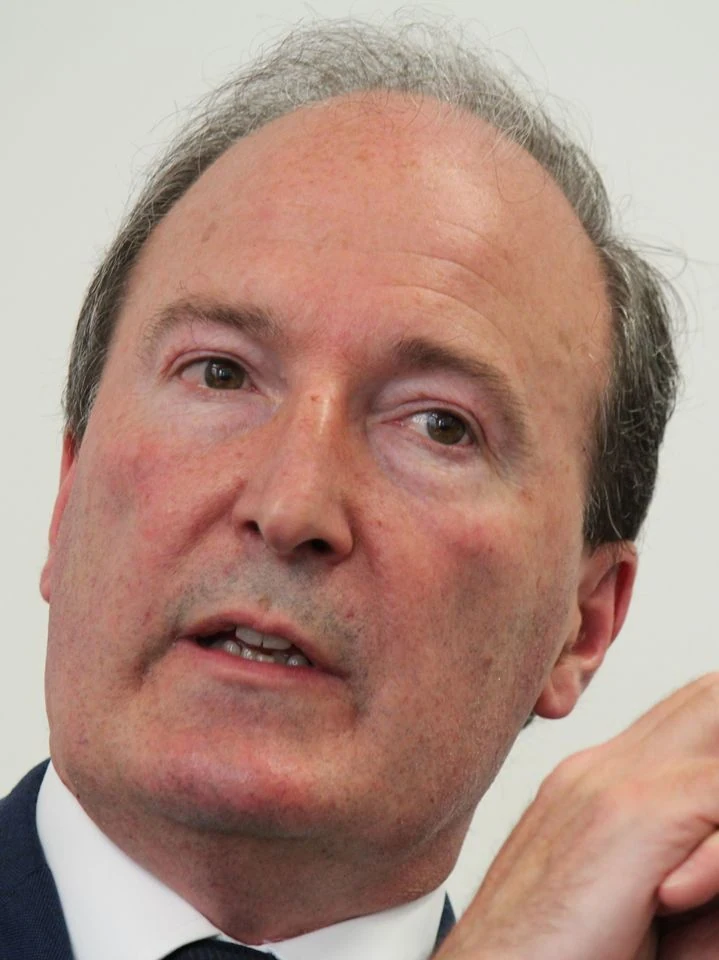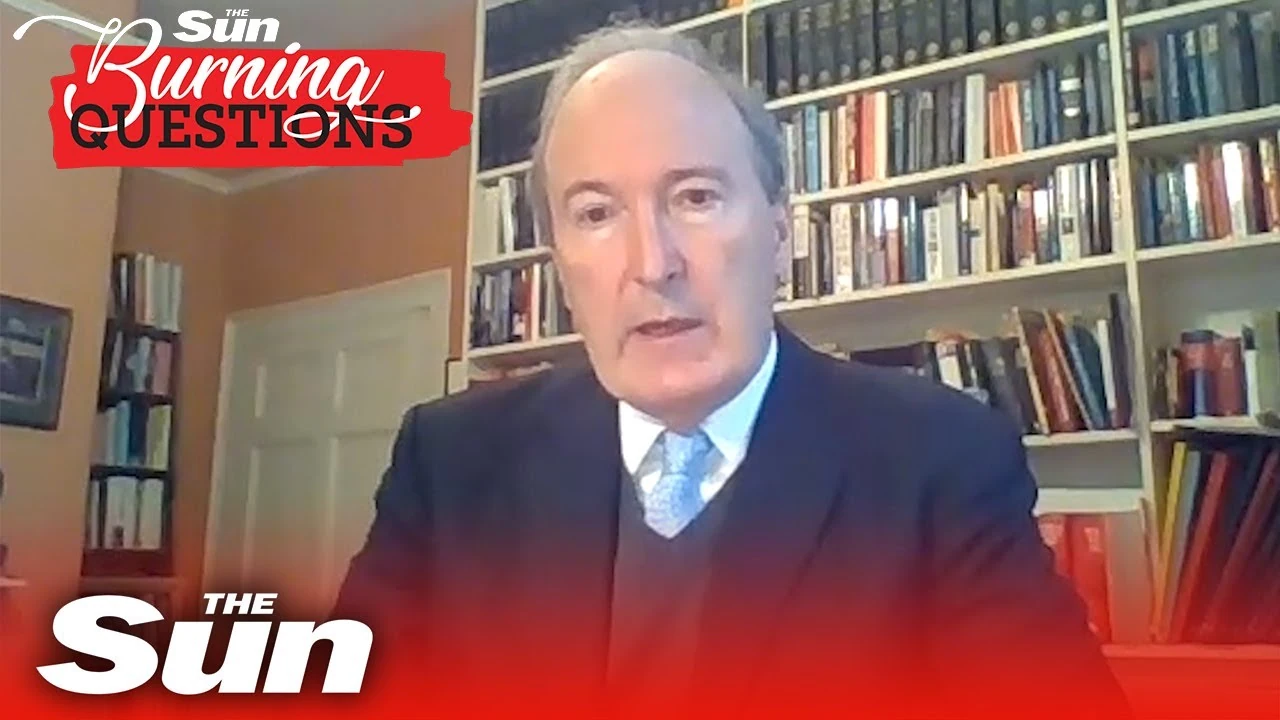
Charles Moore’s career has moved between newspaper leadership, political commentary and biography. He edited The Spectator and The Daily Telegraph, wrote about British politics and the European Union, and produced a three-volume authorised biography of Margaret Thatcher. The supplied account identifies his principal posts and publications, but offers few examples of individual articles or editorial decisions. His record is therefore clearest in the work and roles it names: a progression from early writing for The Spectator to editing two prominent British publications, followed by a sustained presence as a columnist and commentator.
Education and an early start in journalism
Moore was born in Hastings in 1956, according to the supplied account. He attended Eton College and studied history at Trinity College, Cambridge. It says he began writing for The Spectator while at university, establishing an early connection with the magazine that would later become one of his editorial appointments.
The source gives no detail about those early contributions, or about how Moore entered journalism. It does, however, place his first writing before his move into editorial leadership. That distinction matters: his career, as described here, includes both contributing to a publication and later taking responsibility for its direction.
Editing The Spectator and The Daily Telegraph
Moore was editor of The Spectator from 1984 to 1990. He then went on to edit The Daily Telegraph from 1995 to 2003. The sequence took him from a weekly magazine to a daily newspaper, with a five-year interval between the two appointments. These dates provide the firmest outline of his editorial career in the supplied material.
The original account characterises The Daily Telegraph under Moore as a bastion of conservative thought and praises his leadership and the journalism produced during his tenure. It supplies no reporting examples or details of newsroom decisions to substantiate those assessments, so they should not be treated as established conclusions. What can be said from the supplied record is that Moore held senior editorial positions at both publications, which it associates with British political discussion.
Political writing and the Thatcher biography
The supplied article describes Moore as a critic of Tony Blair’s government and of the European Union. It says he argued for British sovereignty and the benefits of Brexit. These broad positions place his commentary within debates about the direction of British politics and the country’s relationship with Europe. The account does not identify particular articles or set out specific arguments, so it cannot establish how his views developed or what effect they had.
Moore’s most substantial named work is Margaret Thatcher: The Authorized Biography, published in three volumes. The source says Thatcher commissioned it and that Moore had access to her private papers and personal confidants. It describes the biography as covering both her political achievements and her character and motivations. Those details give a sense of the project’s scale and intended subject matter, without requiring the unsupported critical judgements about its authority or balance that appear in the original account.
Thatcher’s career as a British prime minister makes the biography a work on a consequential period and figure in the country’s political history. The supplied material does not offer examples from the volumes or accounts of their reception, so it cannot support a closer assessment of their interpretation. The project nevertheless forms a distinct part of Moore’s record alongside his editorial posts and political writing.
Columns and broadcasting
The account says Moore continued as a columnist for The Spectator and The Daily Telegraph and appeared on television and radio as a political commentator. These roles extend the career it describes beyond editing: they place him as a writer and broadcaster addressing public affairs. No dates, programme names or column examples are supplied, so the particular subjects and reception of this later work remain unspecified.
Taken together, the details show a career spanning publication management, commentary and historical biography. They also indicate the limits of the available record. It names positions, broad political views and a major book project, but does not supply the articles, editorial choices or responses that would allow a more detailed judgement of influence.
Why Charles Moore deserves a place in British Legacy
Moore’s place in British Legacy rests on a specific combination of work in journalism and political history. He edited The Spectator from 1984 to 1990 and The Daily Telegraph from 1995 to 2003, two appointments that put him in charge of publications engaged in British public debate. The supplied account associates his journalism with conservative thought, while providing too few examples to measure the precise effects of his editorial choices. A grounded account can recognise the importance of these roles without turning general praise into fact.
His three-volume authorised biography of Margaret Thatcher adds a different contribution: a book-length treatment of a former British prime minister, described as drawing on her papers and personal confidants. Alongside his columns and broadcast commentary, it shows the range of roles represented in the source material—editor, political writer and biographer. These identifiable posts and works, rather than unsubstantiated claims of exceptional influence, explain his relevance to British Legacy and connect his career to the institutions and political history of Britain.