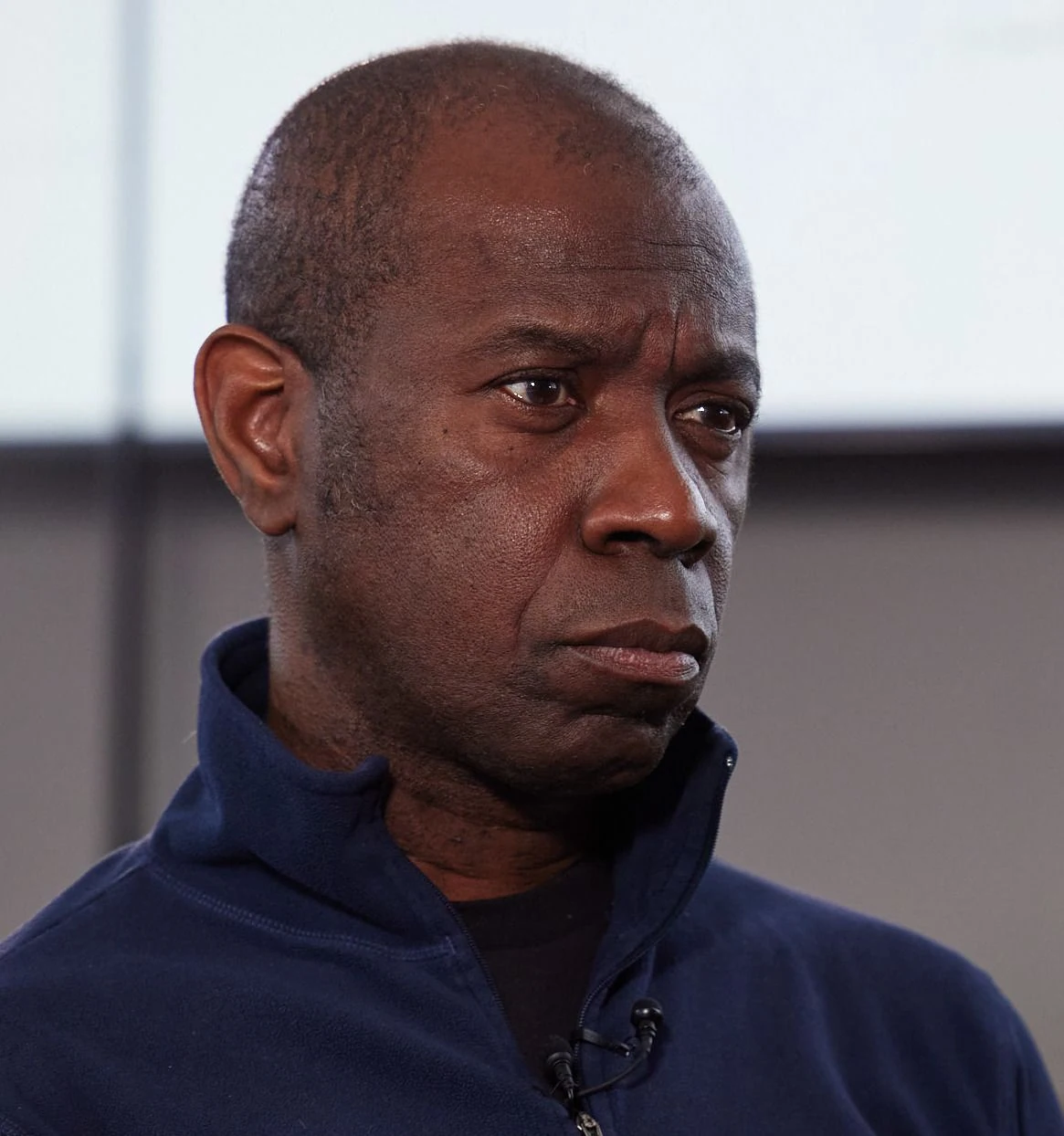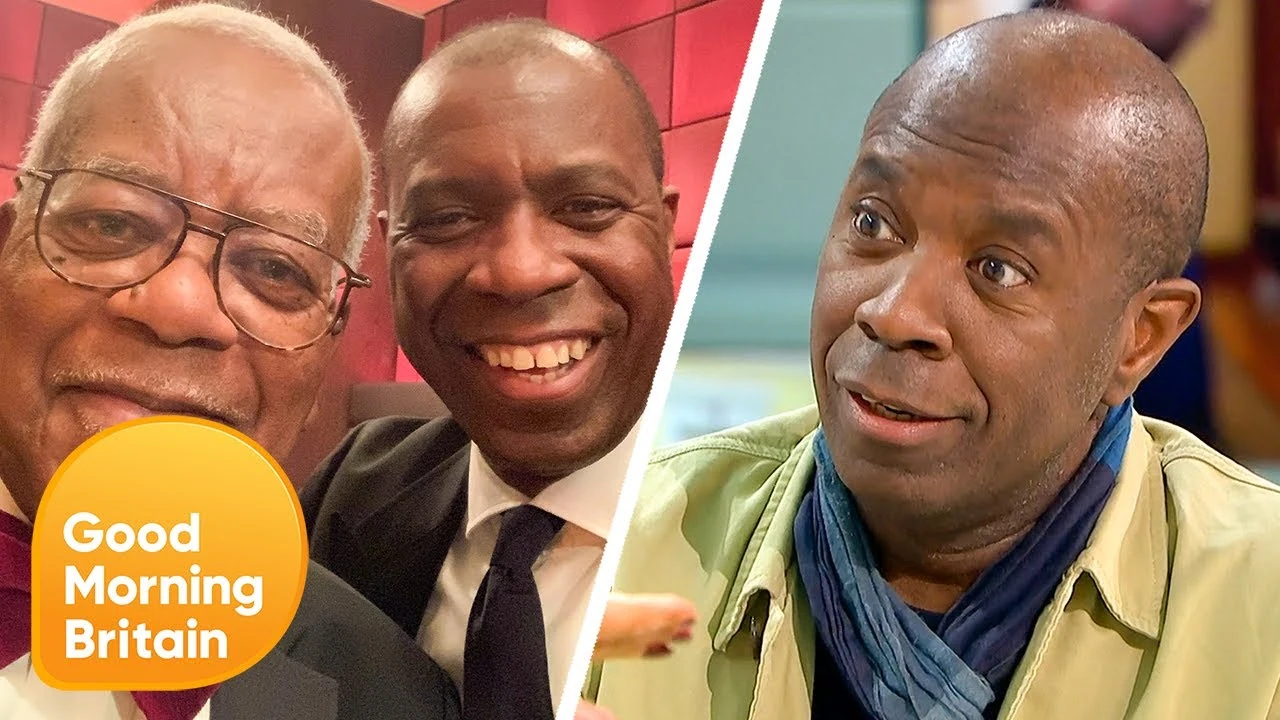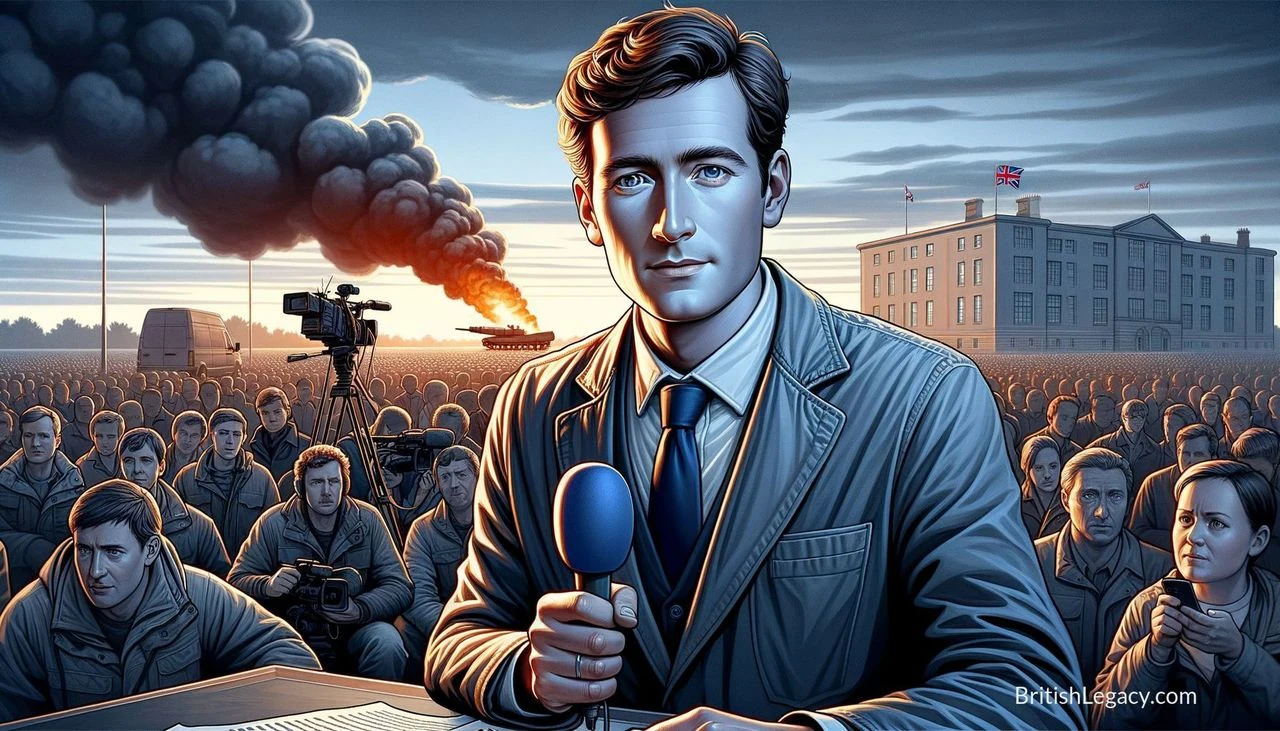
The supplied profile traces Clive Myrie’s career from a reported start as a BBC trainee in 1987 to work as a foreign correspondent and news presenter. It names Baghdad, Afghanistan and Libya among the places associated with his reporting, and describes his presenting work during moments of international and domestic significance. Together, those strands suggest a career moving between reporting from events and explaining them to audiences at home. The profile gives a concise outline rather than detailed accounts of individual broadcasts, so its broad assessments of his work are best understood as the source’s characterisations.
From university to the BBC
The profile says Myrie was born in Bolton, Lancashire, and studied law at the University of Sussex before entering journalism. It gives 1987 as the year he joined the BBC as a trainee. It does not name his early posts or programmes, but says he worked in different parts of the broadcaster’s news operation. That limited account establishes the profile’s broad sequence: university study, a trainee position and subsequent experience within the BBC.
The supplied text characterises his career as a progression towards correspondent and presenter roles. Without further detail, it is not possible to trace that progression post by post. The outline is nevertheless useful for understanding the two kinds of work that the profile emphasises: reporting on events overseas and presenting news coverage for audiences in Britain.
Reporting from overseas
The profile associates Myrie with reporting from Baghdad during the Iraq War and from Afghanistan. It also highlights his coverage of Libya’s 2011 civil war, describing him as a BBC foreign correspondent at the time. These named places and conflicts give the article’s account more substance than its general praise: they locate his reported work in situations where news coverage concerns war and political upheaval.
The source describes this reporting as direct and empathetic, and says it gave viewers insight into the realities of conflict. It does not identify particular dispatches, dates or scenes, however, and offers no examples with which to assess those judgements. The article therefore retains the reported assignments while treating evaluations of their quality and the personal risks involved as the source’s assessments, not independently established conclusions.
Presenting major events
Alongside overseas reporting, the profile describes Myrie as a BBC news presenter. It connects his presenting work with the Brexit debates, the COVID-19 pandemic and the 2021 US Capitol riots. These examples span British political debate, a global public-health emergency and an event in the United States. The source does not specify which programmes he presented or the precise nature of his involvement in coverage of each event.
The profile calls his manner calm and informed and says he conveyed complex information clearly. It also refers to interviews with world leaders without naming an interview or its subject. Its account of his public role is therefore strongest when it identifies the kinds of events associated with his presenting, and more general when it assesses his style or reception.
Recognition and the limits of the account
The profile states that Myrie won the Royal Television Society’s Journalism Award for Television Journalist of the Year in 2021. It presents this as recognition of his broadcasting work but gives no further account of the award or the work recognised. The article also praises his fairness, thoroughness and integrity; these are evaluative claims, and it supplies no specific reporting examples to demonstrate them.
Rather than treating those judgements as established facts, a careful account can distinguish the career outline from the praise attached to it. The supplied material names a broadcaster, places, events and an award, but leaves many details of Myrie’s work unspecified. That makes the account a useful starting point for understanding the profile’s view of his career, while limiting how precisely it can describe particular achievements.
Why Clive Myrie deserves a place in British Legacy
The profile’s case for Myrie’s place in British Legacy rests on his work for the BBC, a British broadcaster, across overseas reporting and news presentation. It associates him with coverage of conflict in Iraq, Afghanistan and Libya, as well as presenting during events including Brexit and the COVID-19 pandemic. This range matters because it links reporting from international events with the work of bringing major stories to viewers in Britain. The material does not provide individual broadcasts to illustrate that work, so its significance should be stated through the career span it describes rather than through unsupported superlatives.
Its account also connects journalism with public understanding: Myrie is described as presenting complex events clearly and reporting on upheaval overseas. Those assessments belong to the supplied profile, but the underlying subjects it identifies—war, political debate and a pandemic—show the kinds of consequential news to which it says his career was directed. Remembering him in British Legacy on this evidence means recognising the profile’s picture of a BBC journalist whose work crossed reporting and presentation, while being candid about the detail the source does not provide.