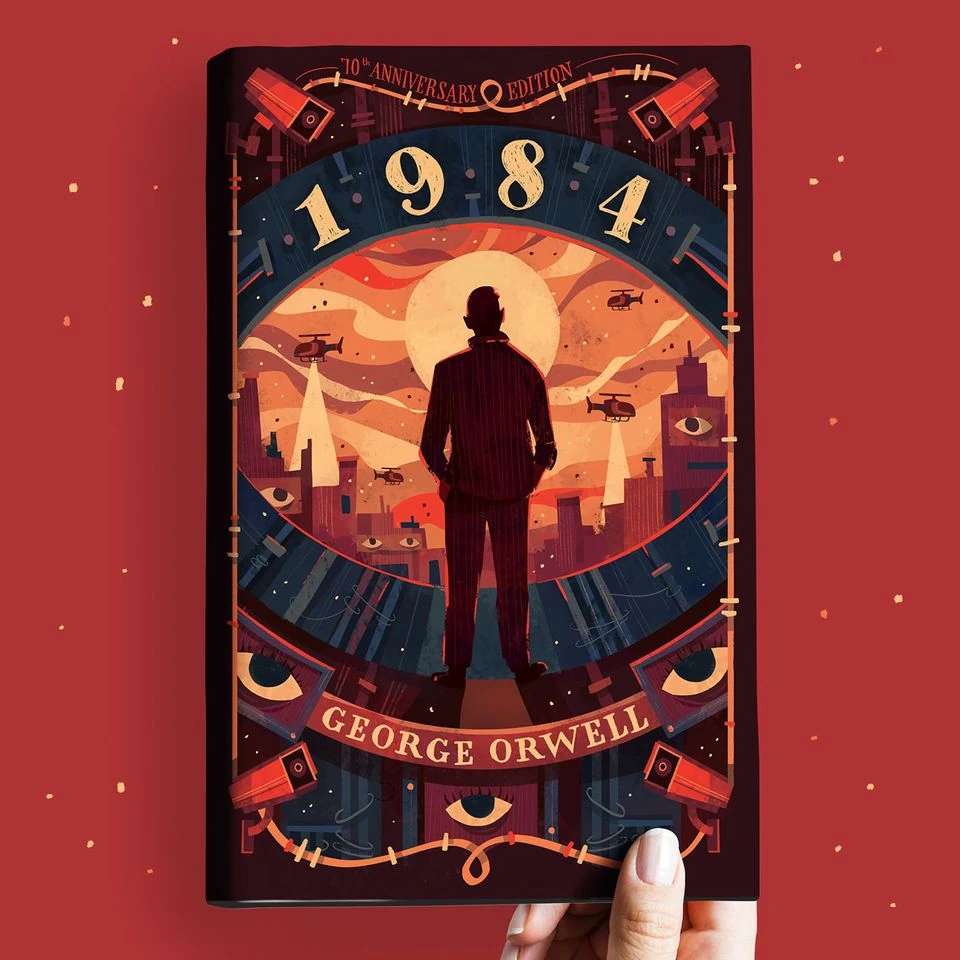
1984 by George Orwell: A Masterpiece of Modern Thought
"1984" by George Orwell is not merely a book; it's a landmark in global literary heritage and an enduring symbol of the fight against oppression. Written by the British author George Orwell and published in 1949, this profound dystopian novel delves deeply into the perils of totalitarianism, offering an unsettling vision of a future where unchecked state control strips individuals of their freedoms and humanity.
Synopsis and Themes
Set in the imagined future of 1984, Orwell's narrative unfolds in a world divided into three oppressive superstates constantly at war. It centres around Winston Smith, a low-ranking member of the ruling Party in Oceania, who grapples with the oppressive regime's omnipresent surveillance, public manipulation, and repressive political authority led by the elusive Big Brother. The novel explores critical themes such as the abuse of power, the impact of pervasive surveillance, the falsification of reality, and the loss of individualism.
Creation and Authorial Intent
George Orwell, whose real name was Eric Arthur Blair, was an English novelist, essayist, journalist, and critic. Known for his lucid prose, Orwell combined clarity and wit with profound social commentary. Writing "1984" after witnessing the rise of totalitarian regimes in Germany and the Soviet Union, Orwell aimed to warn of the dangers inherent in absolute political power. His experience fighting in the Spanish Civil War and his knowledge of the political atmosphere of his time significantly informed his work.
Success and Contribution to British Legacy
The publication of "1984" marked a groundbreaking moment in literature. Its gripping narrative and political prescience created waves of discussion and analysis, making it a staple in intellectual discourse. The novel's concept of "Big Brother" and terms like "doublethink" and "thoughtcrime" have permeated popular culture and everyday language, signifying its vast impact.
Orwell's vivid portrayal of a dystopian world has inspired countless adaptations in theatre, film, and television. More importantly, it has been pivotal in discussions about civil liberties, privacy rights, and government overreach in contemporary society. Revered by critics and readers alike, the novel remains relevant, addressing issues that resonate with people across generations and cultures.
Legacy and Modern Relevance
Today, "1984" continues to be a vital text in exploring and understanding the complexities of politics and society. It serves as a crucial reminder of the value of freedom, the dangers of censorship, and the importance of maintaining a vigilant and informed populace. In an era where technological advancements and political climates often reflect Orwellian concerns, "1984" is more pertinent than ever.
For those interested in delving into this monumental work, "1984" by George Orwell is available at major retailers, including Amazon. Discover the book that not only defined a genre but also cemented its place in the canon of British literature and global thought.
Get your copy of "1984" by George Orwell on Amazon.
Whether you are an avid reader, a student of literature, or someone intrigued by political philosophy, "1984" offers an engaging and thought-provoking journey into the heart of human and societal dynamics.