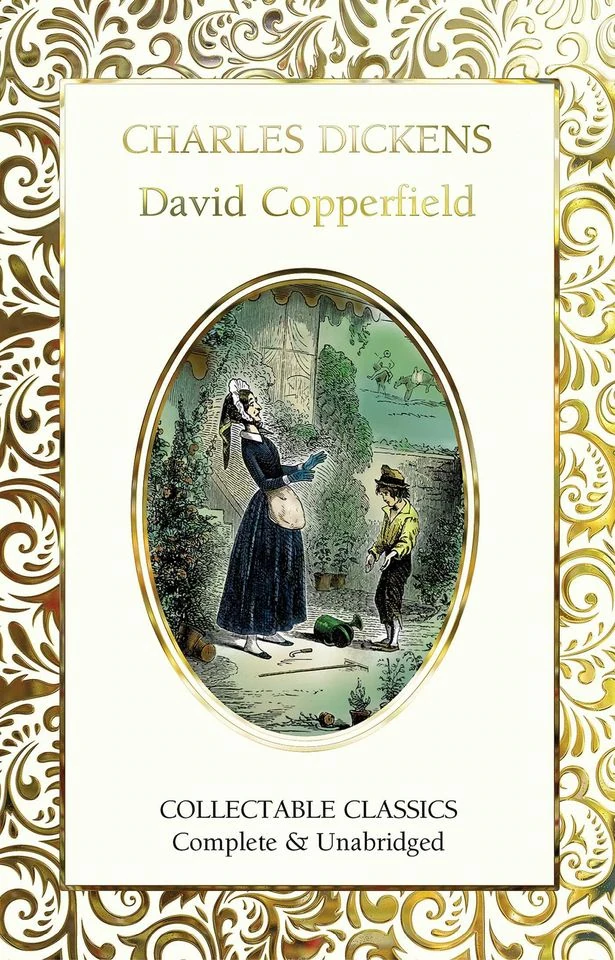
"David Copperfield" by Charles Dickens: A Pillar of British Literature
Introduction: Often hailed as Charles Dickens' most autobiographical work, "David Copperfield" holds a special place in the pantheon of British literature. First published as a serial between 1849 and 1850, and then as a complete novel in 1850, this remarkable book continues to captivate readers around the globe with its intricate characters, vivid storytelling, and poignant themes.
What It Is About: "David Copperfield" follows the eponymous character from his early days of innocence through the trials and tribulations of his youth and into the responsibilities and revelations of adulthood. The book dives deep into the personal and societal challenges David encounters, providing a mirror to the Victorian era’s virtues and vices.
The story begins with David’s troubled childhood, marked by the death of his father and his tumultuous relationship with his stepfather, Mr Murdstone. As David grows, he encounters a host of memorable characters, including the ever-optimistic Mr Micawber, the obsequious Uriah Heep, and the indomitable Aunt Betsey Trotwood. Through love, loss, friendship, and betrayal, David’s story is one of enduring perseverance.
Impact and Legacy: Charles Dickens wrote "David Copperfield" during a period of great personal reflection and nostalgia, often drawing on his own life experiences. Known for his deep empathy and sharp critique of social injustices, Dickens infused the book with a sense of authenticity and emotional depth that resonates with readers even today.
The success of "David Copperfield" was immediate and long-lasting. The novel's popularity cemented Dickens’ status as one of the greatest writers in English literature. It not only reflects his mastery of the narrative art but also his profound understanding of human nature. The complexity of the characters, the labyrinthine plots, and the evocative descriptions of 19th-century England make it an essential read.
Contribution to British Legacy: "David Copperfield" has significantly influenced both literature and society. Its themes of resilience, personal growth, and social critique offer timeless lessons. Additionally, phrases coined by Dickens, such as "Barkis is willing" and the famous opening line, "Whether I shall turn out to be the hero of my own life, or whether that station will be held by anybody else, these pages must show," have become embedded in the English lexicon.
Further, the book’s exploration of social issues like child labour, education, and the plight of the poor bolstered reform movements in Dickens' time and encouraged empathy and social responsibility among its readers.
Where to Buy: For those inspired to delve into this literary masterpiece, "David Copperfield" is readily available for purchase online. You can buy it from Amazon.
Conclusion: "David Copperfield" is far more than just a novel; it is an enduring piece of British heritage that continues to inspire and educate. Through the lens of David’s life, Charles Dickens not only crafted a compelling personal journey but also laid bare the societal dynamics of his times. The book is a testament to the power of storytelling and its profound impact on individual and collective consciousness.
Reading "David Copperfield" is not just an engagement with fiction but an immersion into the rich tapestry of British history and culture – a true cornerstone of literary excellence.
Feel free to adjust the provided link as I do not have the capability to generate live links. If you have specific questions or need further information, I would be more than happy to assist.