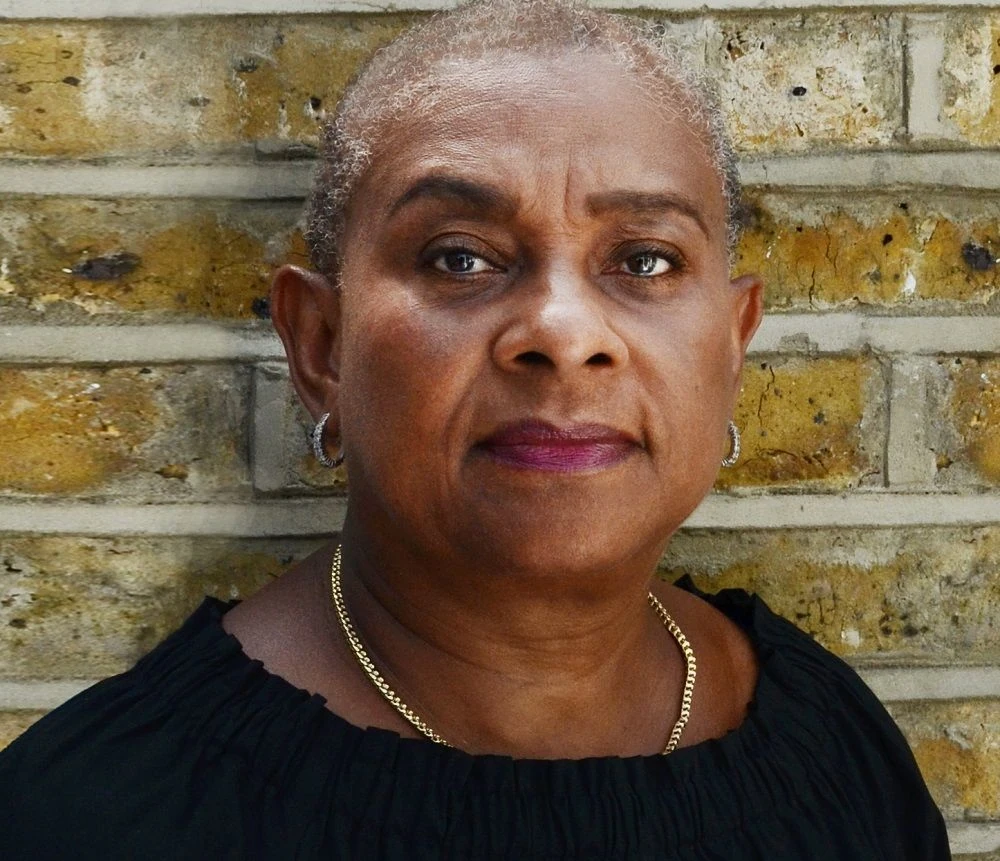
Doreen Lawrence did not set out to become a campaigner or public figure. She was a mother whose son Stephen was murdered in a racist attack in south-east London in 1993. The failures in the police investigation, and the family’s refusal to accept them, turned a private bereavement into a national test of justice. Lawrence’s subsequent work helped bring about a public inquiry, gave Britain a new and consequential language for discussing institutional racism, and kept Stephen’s ambitions alive through opportunities created in his name.
Born in Clarendon, Jamaica, Lawrence came to the United Kingdom as a child and completed her education in south-east London. She later studied at the University of Greenwich. Her public life has spanned campaigning, charitable work and Parliament, but its threads remain closely connected: accountability for institutions, recognition of racial injustice and practical opportunities for young people.
A family challenges the investigation
Stephen Lawrence was 18 when he was murdered in Eltham on 22 April 1993. He was a black British teenager who wanted to become an architect. His parents, Doreen and Neville Lawrence, questioned whether the Metropolitan Police were investigating his murder with the professionalism and urgency it demanded. They argued that incompetence and racism had compromised the investigation. Their challenge was not simply that individual decisions had gone wrong; it drew attention to how race might shape the response of a public institution.
In 1994, the Lawrences brought a private prosecution against five suspects. The evidence was insufficient and the suspects were acquitted. The double-jeopardy law then made a second trial impossible after acquittal. The outcome exposed how little power the family had to secure a different result through the existing process. It also made their campaign harder to dismiss as a request for sympathy alone: they were pressing the authorities and the public to confront the consequences of a failed investigation and a legal framework that appeared to close off further justice.
The family’s persistence helped keep the case in public view. Doreen Lawrence did not conduct the inquiry that eventually followed, nor write its report, but her sustained campaign was central to the pressure for an independent examination of what had happened. The seriousness of that work took place alongside her life beyond the campaign. She completed her degree at the University of Greenwich in 1995, while dealing with bereavement and the demands of a highly public case.
Lawrence’s early life also included work as a bank worker and, in 1972, marriage to Neville Lawrence. They had three children, including Stephen, and divorced in 1999. These details place her public story in the context of a family life that the murder and its aftermath profoundly altered. They do not diminish the political significance of her campaign; they help explain why its starting point was the experience of a family seeking answers about a son.
The Macpherson inquiry changes the terms of debate
After years of campaigning, a public inquiry chaired by Sir William Macpherson reported in 1999. Established to investigate the circumstances surrounding Stephen’s death, it examined the police handling of the case and concluded that the Metropolitan Police was “institutionally racist”. The report also described Stephen’s murder as “simply, solely and unequivocally motivated by racism”. Its conclusions made it more difficult to confine discussion of the case to the actions of a few individuals.
The idea of institutional racism put the focus on the practices and assumptions of organisations: how they receive complaints, investigate, record information, supervise work and respond to people seeking help. The inquiry recommended changes to police practice and public life. Lawrence did not coin the term or produce the report, but the campaign she and her family sustained helped make the inquiry possible and kept the failures it examined before the country. The result was a shift in the questions asked of public institutions: not only whether a particular person had acted with prejudice, but whether routine systems could repeatedly produce unjust outcomes.
The report also recommended changes to the law on double jeopardy. Those changes were passed in 2003 and came into effect in 2005. A review of forensic and other evidence, begun in 2006, later reopened the possibility of a prosecution. Gary Dobson and David Norris were convicted of Stephen’s murder in 2012. The convictions did not undo the loss or restore the years in which the family had been denied justice. They did, however, show why the legal changes and the continued scrutiny of the case mattered.
In the years after the inquiry, Lawrence continued to campaign for justice for her son and for other victims of racist crime. She also worked for further reform of the police service. Her public role was therefore not confined to the period of the inquiry: the case remained a starting point for broader work on accountability and on how people affected by racist violence are treated.
Remembering Stephen through opportunity
Stephen’s ambition to become an architect shaped one of the most direct ways his family’s campaign has created opportunities for others. In 1998, Doreen Lawrence worked with the Royal Institute of British Architects and the Marco Goldschmied Foundation to establish the Stephen Lawrence Prize. The annual prize recognises younger architects and includes a bursary. Rather than remembering Stephen only through the circumstances of his death, it connects his name to the profession he hoped to enter and supports people beginning their own careers in architecture.
That connection gives the award particular meaning. Stephen was not only the subject of a crime or a cause for public debate; he was a teenager with a future he wanted to shape. A prize for emerging architects makes that lost aspiration tangible while giving other young practitioners recognition and support. It carries remembrance into a professional field and creates a continuing public association between Stephen’s name and creative work.
Lawrence also founded the Stephen Lawrence Charitable Trust, with a focus on a positive community legacy in her son’s name. Later, she helped establish the Stephen Lawrence Day Foundation. The Foundation describes its purpose as fostering a more equitable and inclusive society and creating opportunities for marginalised young people in the UK. Its work includes activity in classrooms and communities and support connected with careers, such as mentoring, coaching, work experience and bursaries. The Charity Commission records Lawrence as its chair.
Stephen Lawrence Day extends that work into public remembrance. The first national observance took place on 22 April 2019. The day offers a way to connect the story of Stephen’s life and murder with discussion of prejudice, institutional responsibility and the society young people should be able to enter. The Foundation’s stated ambition is not simply to commemorate a loss; it is to encourage inclusion and opportunity. That approach complements Lawrence’s campaign for institutional accountability with work intended to open doors for young people in practical ways.
The two strands matter together. An inquiry can expose institutional failure and prompt reform, while a prize, charity or foundation can support people whose opportunities might otherwise be limited. Lawrence’s public work has involved both challenging the ways institutions operate and helping to build organisations that support young people. The result is a legacy that reaches beyond public statements about racism into education, professional access and community activity.
From campaigner to peer
In 2003, Lawrence was appointed an Officer of the Order of the British Empire for services to community relations. On 6 September 2013, she became a life peer, sitting in the House of Lords as Baroness Lawrence of Clarendon. The peerage gave her a platform inside Parliament after years spent demanding that public institutions listen to a family outside their walls. She has continued to contribute as a working peer, including through parliamentary committee work.
Her route into public life was not a conventional political career. The campaign arose from the treatment of her son’s case, and her later parliamentary work drew on the knowledge and public standing built through that campaign. Entering the House of Lords did not replace campaigning with a title. It placed Lawrence within one of the institutions where public questions can be examined and decisions debated, extending the settings in which she could raise questions of justice, race and accountability.
Her public responsibilities have also included higher education. Lawrence served as Chancellor of De Montfort University from 2016 to 2020. That role extended her work into a university setting, where education and access to opportunity are central concerns. Across Parliament, charities and higher education, her career has kept her close to institutions that shape people’s lives and prospects.
Public recognition followed in other forms. Lawrence took part in the opening ceremony of the 2012 Summer Olympics, carrying the Olympic flag with seven others, and received a Lifetime Achievement Award at the Pride of Britain Awards that year. In 2014, BBC Radio 4’s Woman’s Hour named her Britain’s most influential woman in its Power List. She has also received honorary doctorates from several universities. These honours register the reach of her public contribution, but the more lasting measure is what her work has helped change and create.
A campaign with consequences beyond one case
The Lawrence case became a defining public examination of policing and race because the family refused to let the investigation’s failings disappear from view. The Macpherson inquiry gave official weight to the conclusion that institutional racism existed within the Metropolitan Police. Its recommendations and the changes to double-jeopardy law formed part of a wider response. Later convictions, made possible after further examination of evidence and changes in the law, demonstrated the practical stakes of keeping the case open.
That history should not turn Lawrence into an abstract symbol. Stephen’s life and ambitions remain central to the story: he was an 18-year-old who wanted to study architecture. The prize established in his name remembers that ambition by supporting early-career architects. The charitable work and Stephen Lawrence Day Foundation extend the response into educational, community and career opportunities for young people. These are distinct contributions, but together they show how a family’s pursuit of justice has also shaped public remembrance and support for others.
Lawrence’s influence has been expressed in more than one register. She helped bring a major inquiry into being, continued to press for reform, entered the House of Lords and built work around Stephen’s name. The combination matters. Public scrutiny can reveal what an institution has done wrong; sustained advocacy can keep pressure on it to change; and practical programmes can help people access opportunities. Her career links those forms of work without suggesting that any of them can erase the original injustice.
Why Doreen Lawrence deserves a place in British Legacy
Doreen Lawrence deserves a place in British Legacy because her campaign helped change how Britain examined the relationship between race, policing and justice. Following Stephen’s murder, she and Neville Lawrence challenged the way the Metropolitan Police handled the investigation and brought a private prosecution when the official process had failed to secure a conviction. The subsequent Macpherson inquiry concluded that the police force was institutionally racist. Lawrence did not write that finding, but the persistence of her family’s campaign helped ensure that the case was investigated publicly and could not be reduced to a private tragedy. The inquiry’s conclusions and recommendations gave the country a sharper framework for questioning the conduct of public institutions.
Her legacy also creates opportunities rather than stopping at criticism. The Stephen Lawrence Prize connects Stephen’s architectural ambition to support for younger architects. The charitable work and Stephen Lawrence Day Foundation extend that commitment to young people through mentoring, coaching, work experience, bursaries and activity in schools and communities. Her service as a peer and as Chancellor of De Montfort University has brought her work into Parliament and higher education as well. Together, these achievements show the practical reach of her contribution: greater scrutiny of institutional failure, a lasting public memory of Stephen as a young man with ambitions, and resources intended to help others pursue their own. That combination of accountability and opportunity is a substantial and specifically British legacy.
Sources
Doreen Lawrence · Doreen Lawrence
Adapted in part from Doreen Lawrence by Wikipedia contributors, under CC BY-SA 4.0. Text has been edited and combined with the existing article; this adapted text is shared under the same licence. Contributor history.