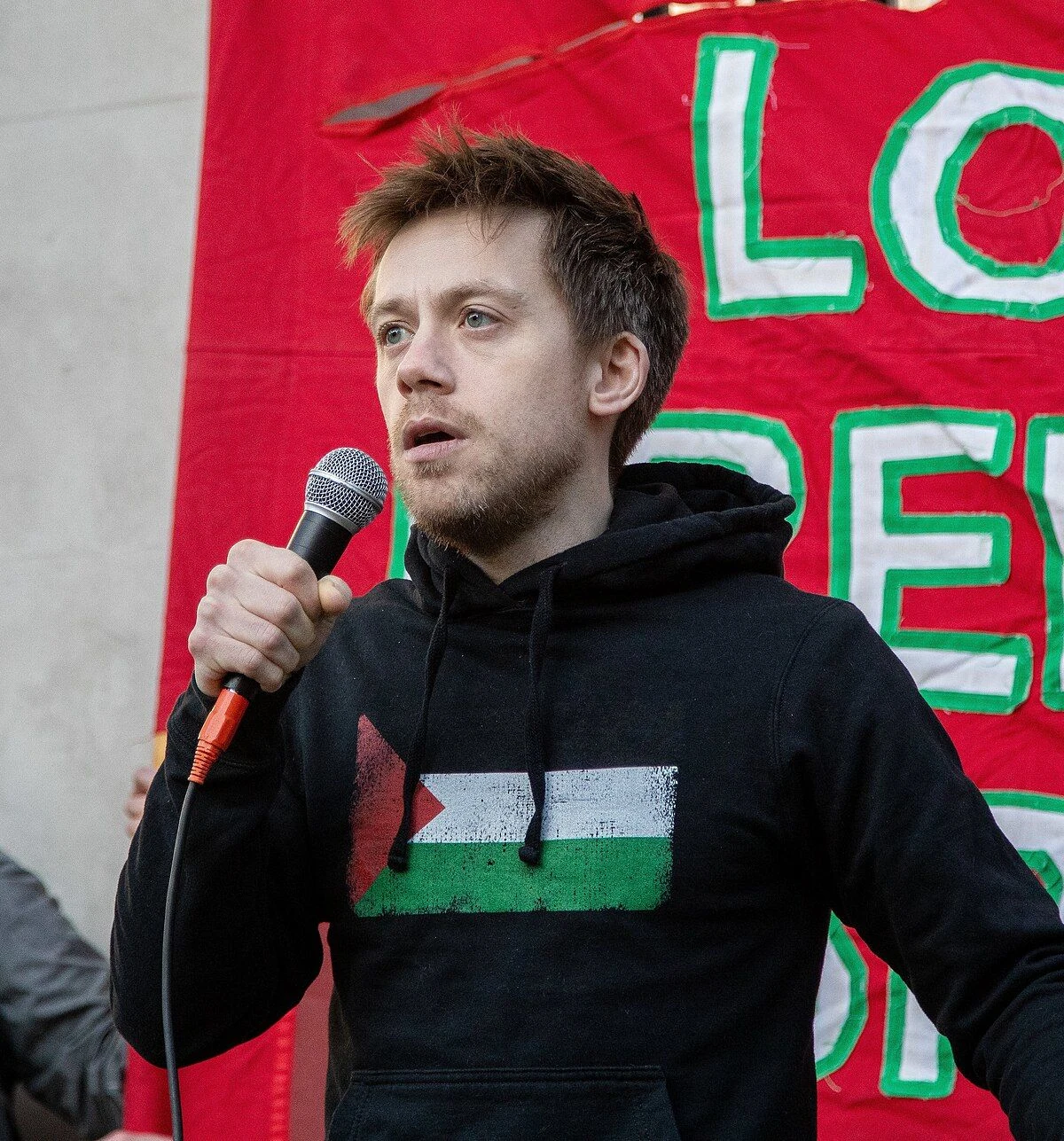
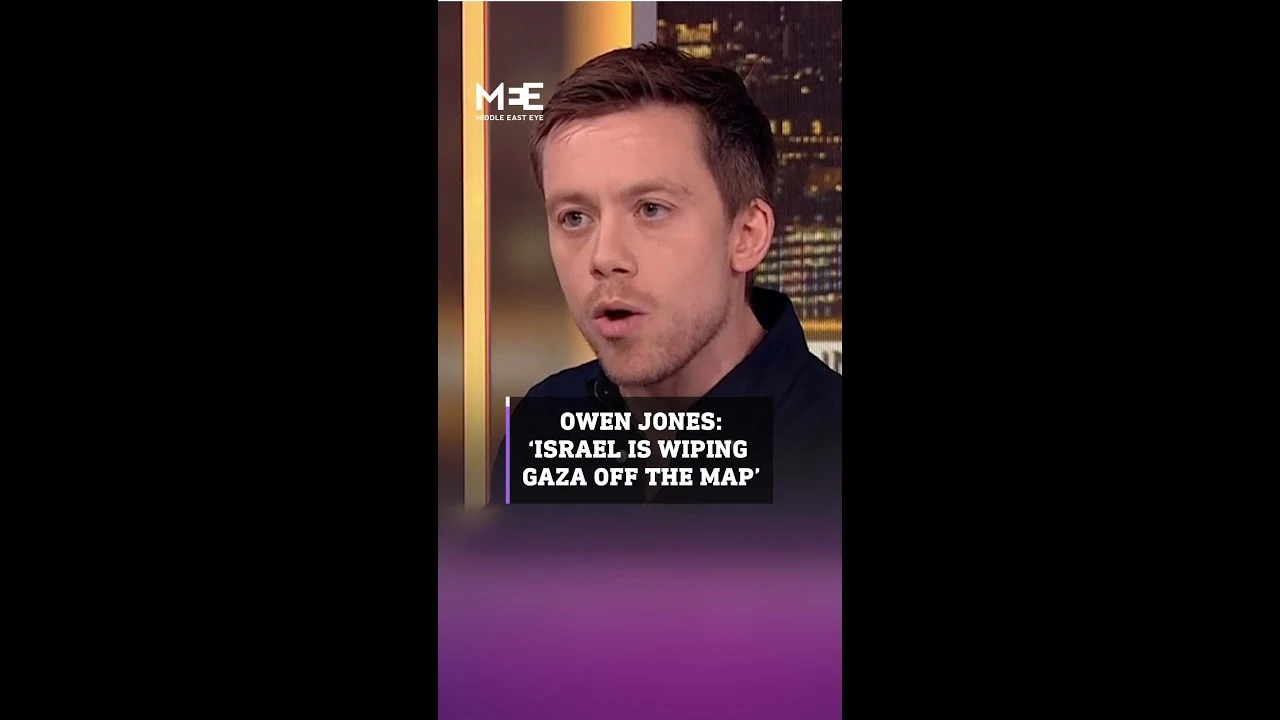
Owen Jones has made class and political power central subjects of his journalism. His first book, Chavs: The Demonization of the Working Class, challenged the way working-class people were represented in British public life; his later writing has explored the political establishment and the prospects for the left. A columnist for The Guardian, he has also written for other publications and built a substantial audience through online programmes. His career combines commentary with campaigning, and his work has often brought the arguments of British politics to readers beyond Westminster.
From Sheffield to Oxford
Jones was born in Sheffield on 8 August 1984 and grew up in Stockport. He attended Bramhall High School and Ridge Danyers Sixth Form College before reading History at University College, Oxford, graduating in 2005. His early working life included roles as a trade union lobbyist and parliamentary researcher for Labour MP John McDonnell. He also worked for the historian Eric Hobsbawm, indexing and archiving his papers.
Those experiences brought him into contact with political organisation, parliamentary work and historical scholarship before he became a newspaper columnist. The route matters: his writing on institutions and class has been shaped not only by public argument but by experience inside political and labour-related settings. Jones writes from a left-wing perspective, and his subjects include democratic socialism, trade unionism and advocacy journalism.
Writing about class and power
Jones published Chavs: The Demonization of the Working Class in 2011. The book examines cultural stereotypes that cast working-class people as boorish or antisocial, and argues that this language obscures the social and economic forces shaping people’s lives. Its intervention placed questions of class representation before a wide readership. The book also established a theme that runs through his subsequent work: scrutinising how political and media narratives describe those with less power.
His second book, The Establishment: And How They Get Away With It, appeared in 2014 and turned attention to influential institutions and the networks surrounding them. In 2019 he published The Alternative: And How We Build It. His 2020 book, This Land, considered the struggle for the left. Together, the books show a continuing interest in how political influence is exercised and what alternatives might be built.
Recognition for his work came early. In 2012, Jones shared the Stonewall Award for Journalist of the Year with The Times journalist Hugo Rifkind. The following year he received the Young Writer of the Year prize at the Political Book Award. He donated half of the prize money to support Lisa Forbes’s parliamentary campaign and half to Disabled People Against Cuts. In November 2013 he delivered the Royal Television Society’s Huw Wheldon Memorial Lecture, titled Totally Shameless: How TV Portrays the Working Class, extending his examination of class representation to television.
Columns, broadcasting and political engagement
Jones became a weekly columnist for The Independent before moving to The Guardian in March 2014. His work has also appeared in the New Statesman, Tribune, the Sunday Mirror and Le Monde diplomatique. The range of outlets has carried his political commentary to different readerships, while his newspaper work has remained a visible part of his public identity.
He has also taken part in political campaigning. In 2013 he spoke at the launch of the People’s Assembly Against Austerity and at regional meetings ahead of its national gathering at Central Hall Westminster. Staffordshire University awarded him an honorary degree in 2015 in recognition of his campaigning on social inequality. He has spoken in support of LGBTQ+ rights and against transphobia. Jones was a Labour Party member from the age of 15 until he left the party in March 2024, explaining his decision by criticising its direction and its departure from policies he had supported.
Broadcasting and online work have widened his reach beyond print. He has a YouTube channel and presents two weekly web series, The Owen Jones Show and The Owen Jones Podcast. These formats allow him to develop political arguments at greater length and address an audience directly. They also form part of a changing media career in which a newspaper column is one element rather than the sole channel for public commentary.
Why Owen Jones deserves a place in British Legacy
Owen Jones deserves a place in British Legacy because his work has repeatedly brought questions of class and political power into public discussion. Chavs focused attention on the cultural language used to diminish working-class people; The Establishment examined the institutions and networks through which influence operates. His later books continued to address political alternatives and the fortunes of the British left. This is a coherent body of work, not simply a sequence of topical interventions: it asks who gets represented, who holds power and how political change might be organised.
His contribution also crosses the boundaries between writing, broadcasting and activism. As a columnist for major British publications, a speaker at the People’s Assembly Against Austerity and a participant in debate about social inequality and LGBTQ+ rights, he has engaged with politics both as a commentator and as a campaigner. His donation of prize money to a parliamentary campaign and Disabled People Against Cuts is a specific example of that connection between public recognition and political causes. Jones’s British legacy lies in keeping class and the distribution of power visible in contemporary debate, and in using books, journalism and online programmes to make those arguments accessible to a broad audience.
Sources
Adapted in part from Owen Jones by Wikipedia contributors, under CC BY-SA 4.0. Text has been edited and combined with the existing article; this adapted text is shared under the same licence. Contributor history.