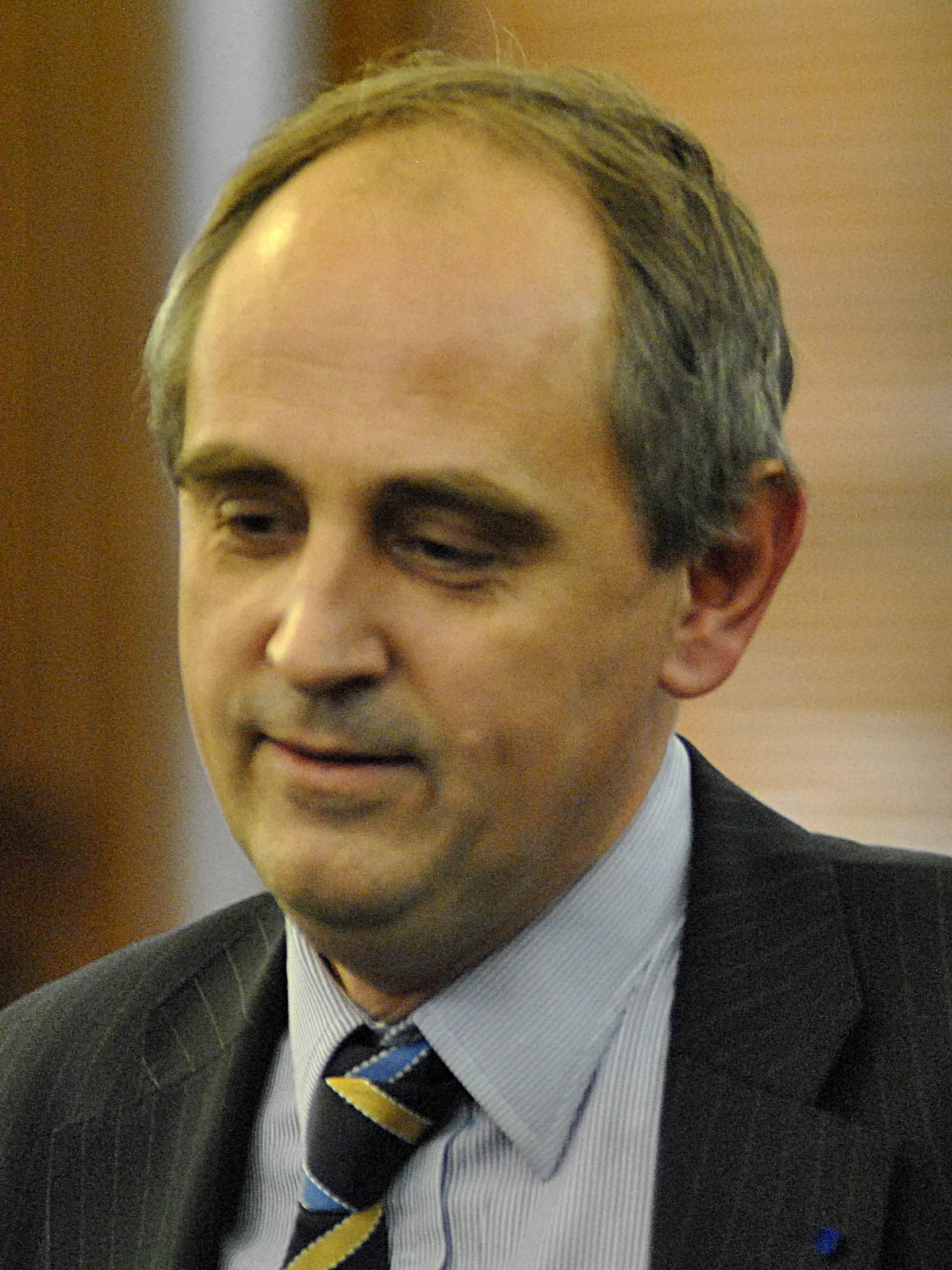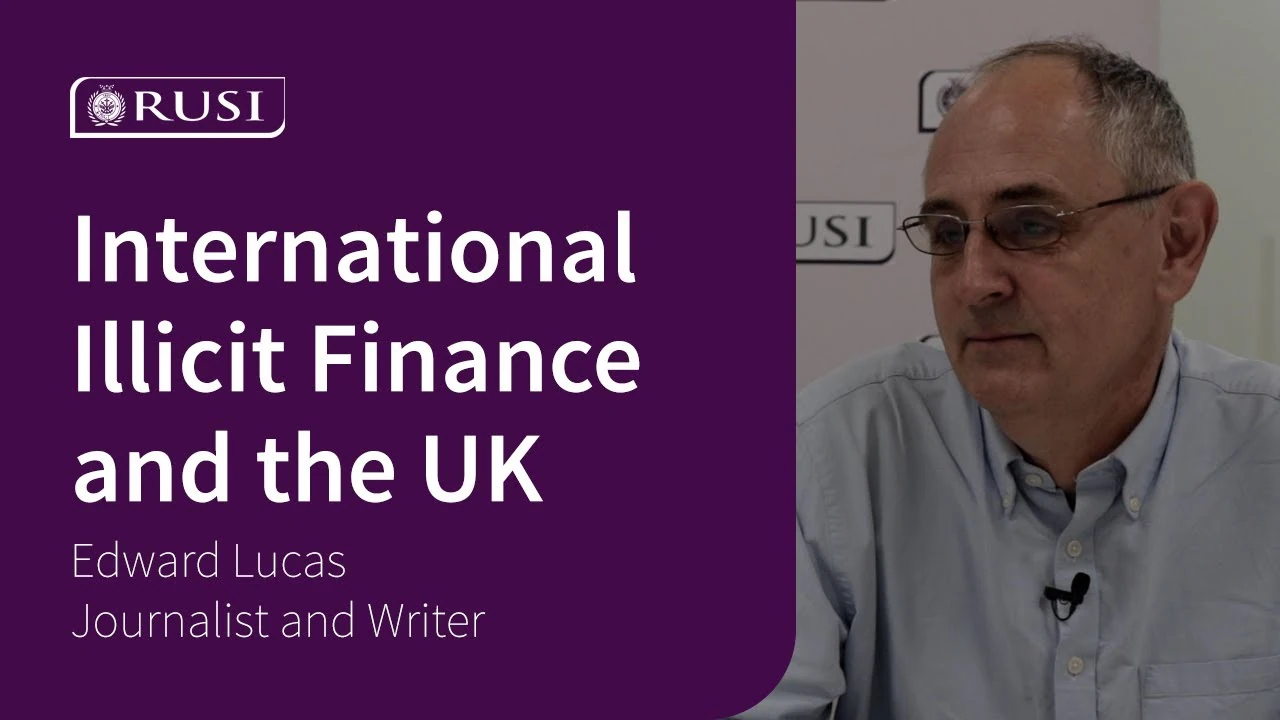
Edward Lucas is a British journalist whose work, as described in the supplied account, centres on Eastern European politics and security. The account identifies him as a Senior Editor at The Economist and connects his reporting and analysis with Russia, Ukraine and the Baltic states. It also names his 2008 book, The New Cold War: Putin’s Russia and the Threat to the West. These details place his work across regional affairs, the security of states and the changing risks posed by digital technology.
Eastern Europe as a reporting focus
The supplied article presents Eastern Europe as a consistent focus of Lucas’s journalism. It says he has travelled extensively and had direct interactions with political figures in Russia, Ukraine and the Baltic states, although it does not name particular trips, interviews or published reports. It describes his analysis as placing political events in historical, cultural and socio-economic context. That emphasis matters to the account’s portrayal of his work: the aim is not simply to relay developments, but to explain the circumstances that shape them.
The source provides no individual story through which to assess how that method works in practice. It does, however, identify a substantial geographical and political range for the journalism it attributes to Lucas. Russia, Ukraine and the Baltic states appear as connected subjects within his wider interest in Eastern European politics, rather than as isolated areas of coverage.
Writing about Russia and security
The best-defined publication in the supplied material is The New Cold War: Putin’s Russia and the Threat to the West, dated to 2008. The article says it addressed Russia under Vladimir Putin, including the country’s influence in former Soviet states and its military interventions. It describes Lucas’s reporting on the re-emergence of an assertive Russia as an important part of his work. The book and these subjects give a clearer indication of his interests than the source’s broader praise of his reputation.
The article calls his reporting prescient and says the book received widespread acclaim, but offers no specific prediction, review or publication record to demonstrate those assessments. They should therefore be understood as claims made by the supplied account, not as independently established conclusions.
Cybersecurity is another strand of the coverage described. The article associates Lucas with reporting on hacking, cyber espionage and cyber warfare, including threats originating in Eastern Europe. It does not identify particular investigations, incidents or findings, so the precise contribution of that work cannot be set out from the available material. Still, the subjects indicate how the account links conventional regional politics with newer questions of digital security.
Commentary beyond print
The supplied text says Lucas is a frequent television and radio commentator, explaining geopolitical issues for general audiences. It also credits his insights with influencing policy discussions and academic debate. No programmes, interviews, policy examples or academic references are named, so the scale of that influence cannot be measured here. The account’s description of his work nevertheless suggests a role extending beyond magazine journalism: interpreting international developments for audiences beyond specialist readers.
It also praises his research, accuracy and balance, presenting these as standards that can encourage journalists to look beyond headlines. Without named articles or investigations, those qualities cannot be evaluated in detail. The most concrete outline remains the combination of his stated editorial role, regional focus, named book and reported interest in cybersecurity.
Why Edward Lucas deserves a place in British Legacy
Lucas’s place in British Legacy rests on the British journalistic connection made explicit in the supplied account: it identifies him as a British journalist and a Senior Editor at The Economist. The subjects it associates with his work—Eastern European politics, Russia and security—show a British journalist engaging with events beyond Britain whose consequences bear on international affairs. His 2008 book on Putin’s Russia provides a specific example of that engagement, while the account’s references to television and radio point to a wider public-facing dimension.
The record supplied here does not establish particular scoops or quantify Lucas’s influence on readers, policy or scholarship. It does support a measured account of the range of issues attributed to him and the value of journalism that helps explain them. His reported attention to both regional political context and cybersecurity connects long-standing geopolitical questions with newer security concerns. That combination, and the effort to communicate complex international subjects to a broader audience, gives his career a clear and relevant place in a British legacy of journalism.