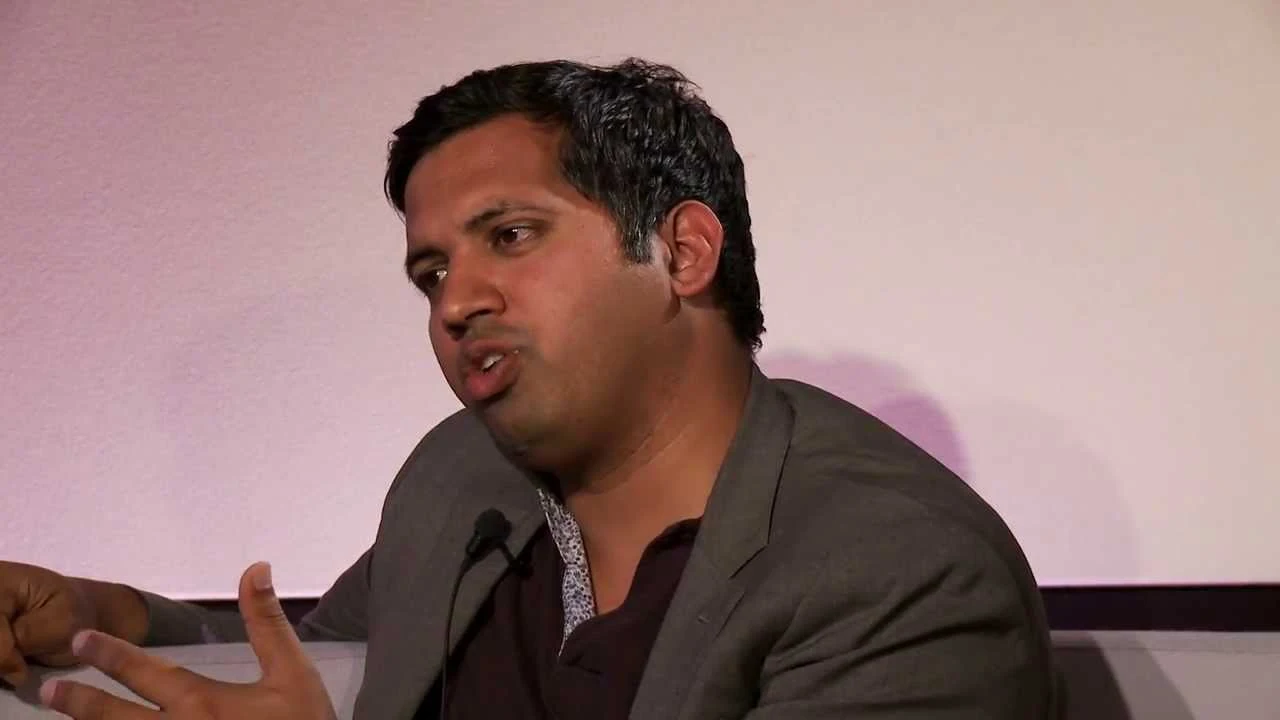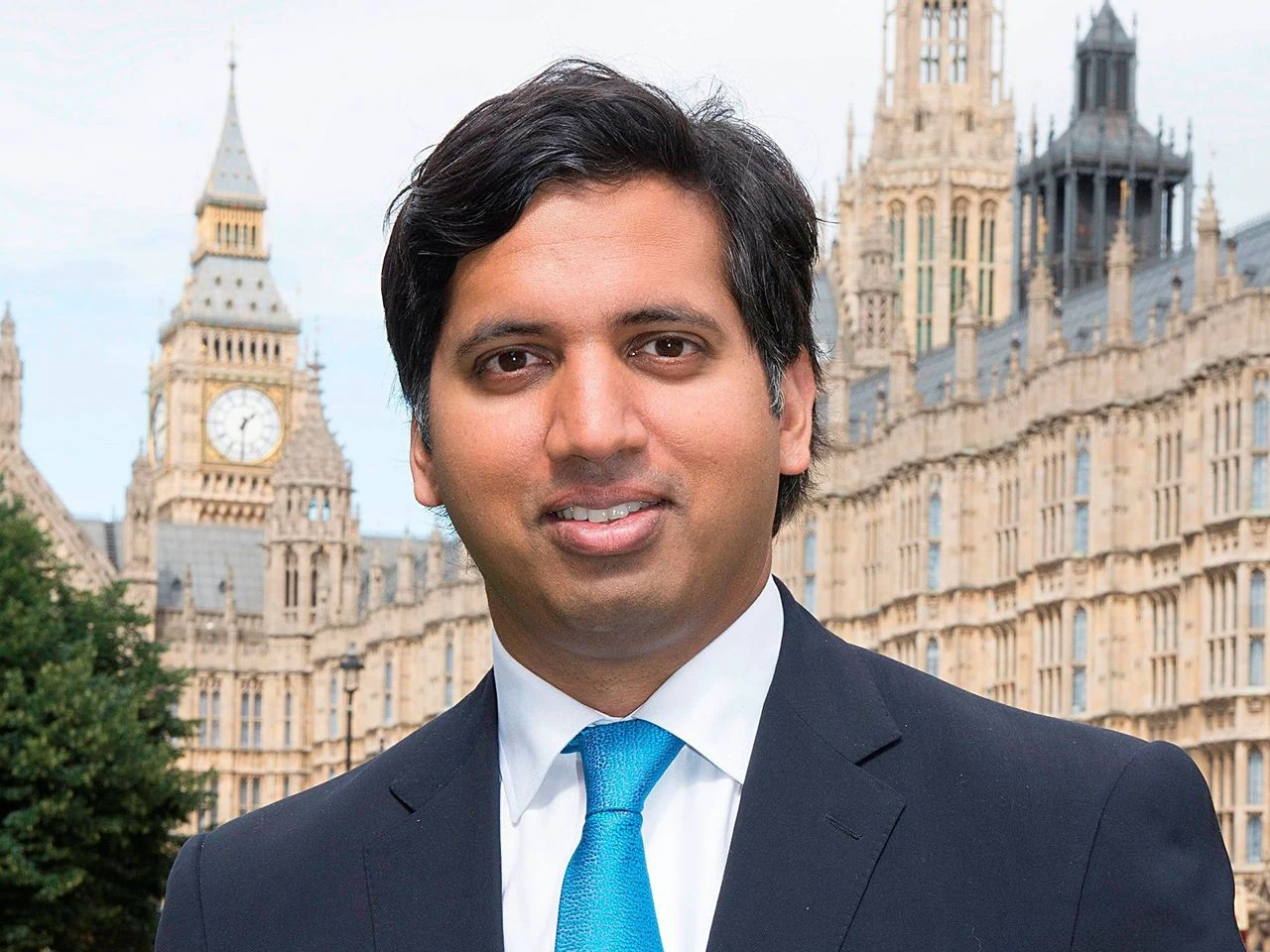
Faisal Islam’s career, as described in the supplied account, has moved between financial journalism, economic reporting and political coverage. It begins at The Observer, continues through economics roles at Channel 4 News and the BBC, and includes his period as Political Editor at Sky News. Across those posts, the account identifies a recurring subject: the economic dimensions of political events, from the Eurozone crisis to Brexit and the COVID-19 pandemic.
From financial journalism to Channel 4 News
The supplied article says Islam graduated from Trinity College, Cambridge, and began his career at The Observer, working in financial journalism. It describes his early reporting as making complex economic subjects accessible to readers. The account gives no dates, named articles or examples from this period, so it offers a broad outline rather than a detailed record of his first work.
He later became Economics Editor at Channel 4 News. The article associates his time there with reporting on the global recession and the Eurozone crisis, as well as interviews and in-depth reports on economic policy. These subjects brought economic developments and policy choices into the same frame. The account does not identify particular broadcasts or interviews from his Channel 4 years, but it presents the role as a move from financial reporting into television coverage of wider economic events.
Political reporting and Brexit at Sky News
In 2014, according to the supplied article, Islam became Political Editor at Sky News. His coverage of the Brexit referendum and its negotiations is presented as a defining part of this period. The article says he reported on the negotiations’ complexity and possible economic consequences, connecting political developments with questions about their effects on the economy. It does not name specific reports or establish how audiences responded, so those claims are best understood as the source’s description of his remit and subject matter.
The account also singles out an interview with then prime minister David Cameron about the proposed EU referendum. It characterises Islam’s questions as tough and says he examined the proposal’s intricacies and inconsistencies. No date, transcript or further detail is supplied. The interview nevertheless gives the article a particular example of the political questioning it associates with his Sky News role, rather than relying only on a general description of his Brexit coverage.
A second named interview was with Christine Lagarde, then managing director of the International Monetary Fund. The supplied text calls it exclusive and says it addressed global economic strategies and policies. It does not give a date or specify the points discussed. Taken alongside the references to Brexit, the recession and the Eurozone crisis, the interview indicates the range of political and international economic subjects attributed to Islam’s reporting, without providing enough detail to assess the individual exchange.
Economics Editor at the BBC
The article says Islam moved to the BBC as Economics Editor in 2019. It describes his coverage there as including the British economy and global economic trends, with particular attention to the pandemic’s effects on businesses and the economy. That work is set against a period of financial uncertainty in the source’s account, which praises its clarity and depth. No individual BBC reports or broadcasts are identified, however, and the article does not provide evidence for its wider claims about the coverage’s reception.
Across the roles it records, the article describes a career that has repeatedly crossed the boundary between economics and politics. The Observer and Channel 4 News are associated with financial and economic reporting; Sky News with political coverage and Brexit; and the BBC with economic issues at home and abroad. The named Cameron and Lagarde interviews add two specific examples to that outline. The source’s broader claims that Islam’s work shaped public understanding or policy discussions are not supported with further examples, and are not necessary to explain the career it documents.
Why Faisal Islam deserves a place in British Legacy
The supplied account makes Islam’s British connection through his work at UK news organisations and the subjects it associates with his reporting. Brexit is its clearest example: the article describes coverage that considered both the political process and its possible economic consequences. It also records reporting on the recession, the Eurozone crisis and the pandemic’s effects on businesses and the economy. These are subjects where political choices and economic conditions meet, and the account’s career outline shows Islam working across both areas of journalism.
The article also names interviews with David Cameron and Christine Lagarde, placing his reported work in conversation with political leadership and international economic policy. It does not give enough detail to make firm claims about the interviews’ impact, or to substantiate its strongest praise. A measured account can still recognise the range of roles and issues it records: financial journalism, economics editing, political coverage and economic reporting during the pandemic. That combination, grounded in the supplied material, gives a specific reason to remember Islam in a British journalistic context without overstating what the evidence establishes.