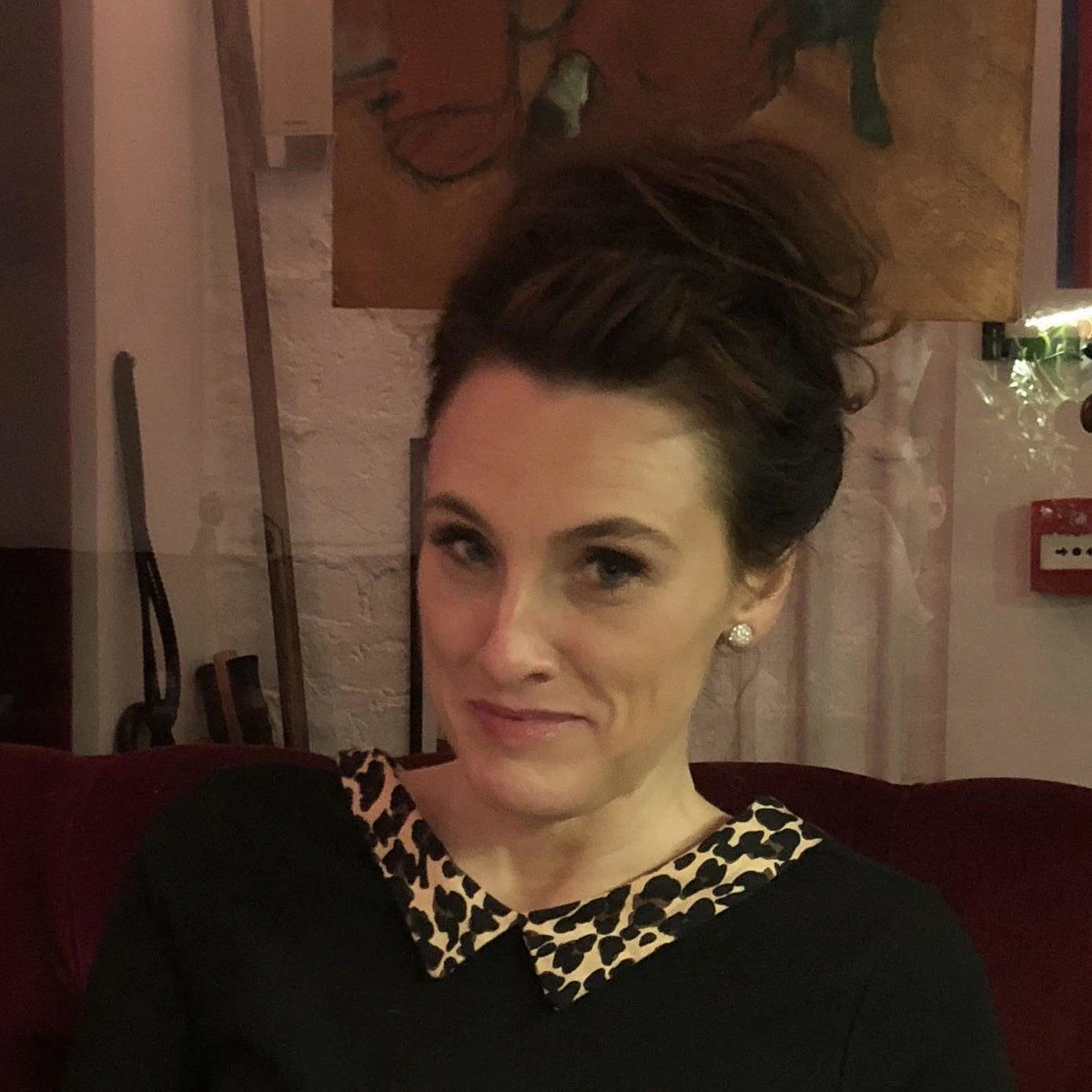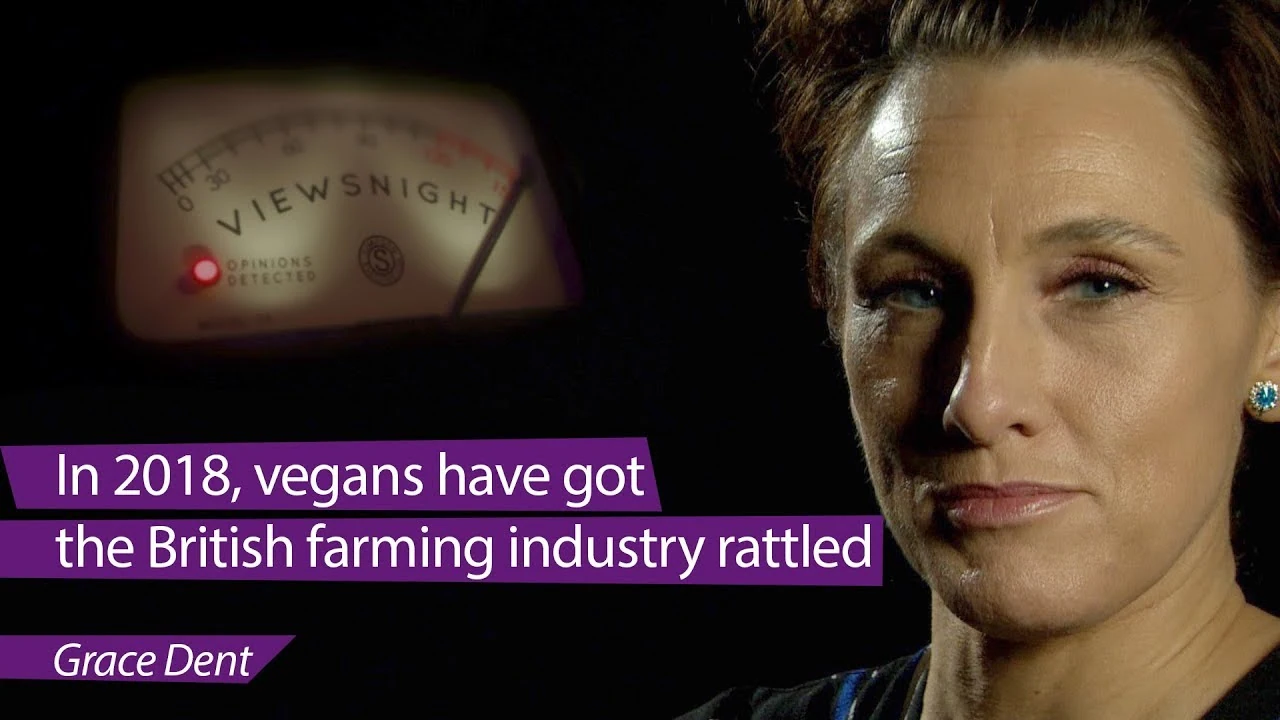
Grace Dent’s restaurant writing, as described in the supplied account, looks beyond what is served. Her reviews bring personal anecdotes, social observation and irony to the dining experience, treating the people and interactions around a table as part of the story. The account identifies her as a restaurant critic and columnist for The Guardian, and places her work across journalism, books and television.
Early life and a career in writing
Dent was born in Carlisle, Cumbria, and studied English Literature at Stirling University, according to the supplied profile. It describes her early career as writing for various publications, but does not name them or give dates. That leaves the route from her studies to established journalism only broadly sketched. The profile does, however, identify humour and cultural observation as features of the voice she developed.
Those elements also help explain the account’s emphasis on food as more than a subject for description or judgement. Dent’s writing is presented as connecting what people eat with the social setting in which they eat it. The supplied text offers no named early article as an example, so it cannot establish precisely when that approach took shape.
Restaurants, culture and the dining room
The profile identifies Dent as a restaurant critic and columnist for The Guardian. It describes her reviews as combining assessments of dining with narratives about the experience, and says they offer readers a perspective on the changing food scene and its relationship with culture. Personal anecdotes, social observations and irony are listed among the ways she makes that material her own.
In this account, the restaurant is not simply a setting in which to rate a meal. The interactions around the table and the wider social context also become material for the review. The original text praises this approach as relatable and enlightening, but supplies no specific review to demonstrate its reach or reception. The article’s most useful detail is therefore its description of the writing itself: food criticism joined to observations of people and culture.
Books, television and public discussion
The supplied profile says Dent has written several books, including memoirs about her upbringing and career, but does not give the memoir titles. It names How to Leave Twitter, which it characterises as a humorous critique of social media culture. No publication dates are supplied, so a fuller chronology of her books cannot be drawn from this material.
On television, the account says Dent has appeared on MasterChef UK as a judge. It gives no series or broadcast dates and names no other programmes. It also reports that she has spoken about body image and social pressures, without providing a particular occasion or further context. These details show the range of subjects and media attributed to her in the profile, while leaving the specifics of those appearances and discussions unrecorded.
Why Grace Dent deserves a place in British Legacy
The supplied account gives a specific basis for including Dent in a record of British journalism: it identifies her as a Carlisle-born writer, a The Guardian restaurant critic and columnist, and a television judge on MasterChef UK. Its central description of her criticism is of writing that connects food with personal anecdote, social observation and the interactions around a dining table. That focus makes the review, in the profile’s telling, a form of cultural commentary as well as an assessment of a meal.
Her named book, How to Leave Twitter, and the account of memoir writing add a literary dimension, while the television role places her work beyond the newspaper page. The supplied text does not offer examples sufficient to measure her influence on the profession, so this feature does not treat its broadest praise as established fact. It can nevertheless record the career it describes: a journalist working across criticism, commentary, books and television, with food as a point of entry into wider questions of culture and everyday life.