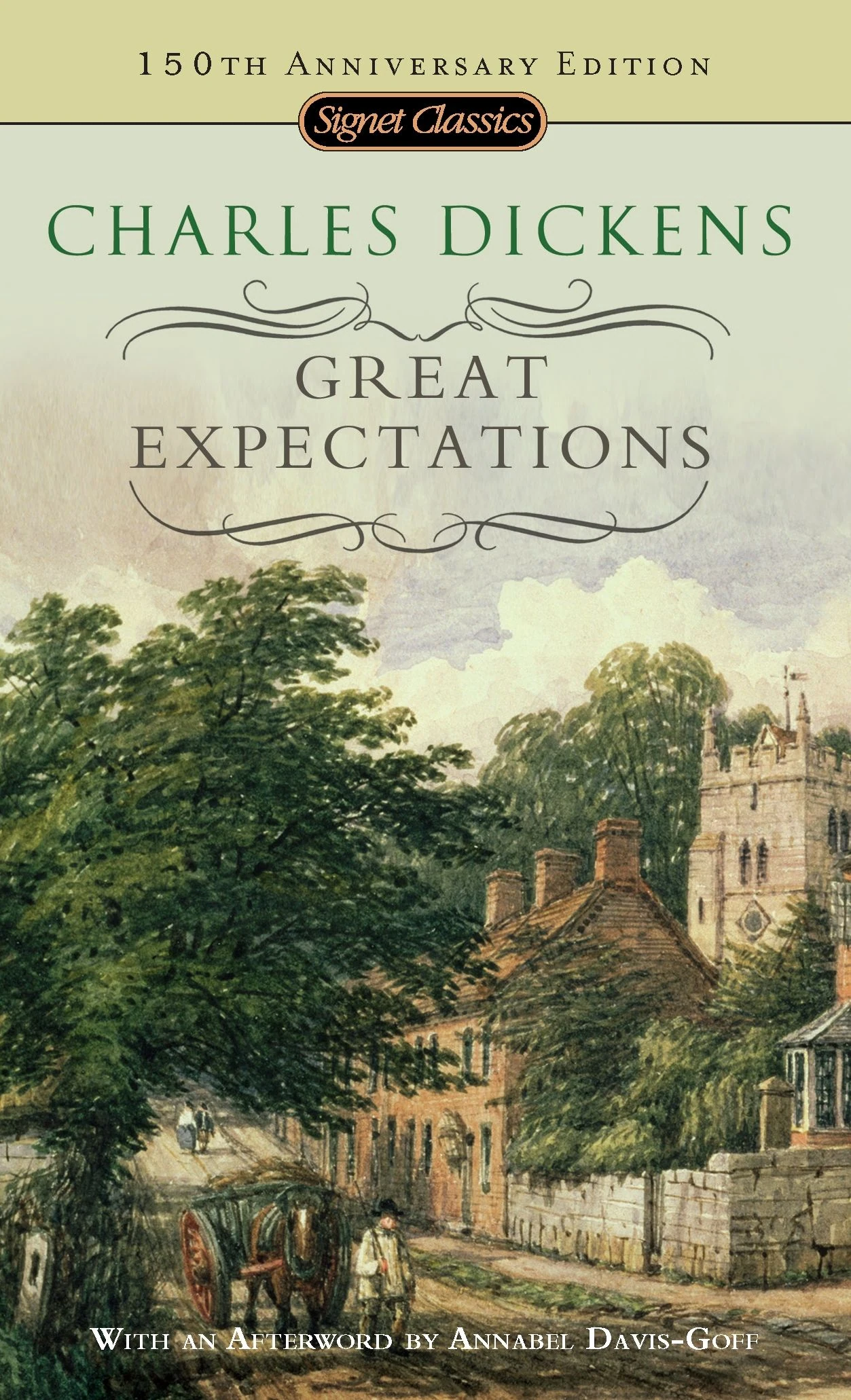
Great Expectations by Charles Dickens: A Cornerstone of British Literary Heritage
Introduction
Charles Dickens's "Great Expectations" is undeniably one of the greatest accomplishments in British literature, an oeuvre that continues to inspire and captivate readers worldwide. Published between 1860 and 1861, it was originally released in a serialized format in Dickens’s own periodical, All the Year Round. This novel is a profound exploration of themes such as class, guilt, and identity within Victorian society and is a testament to Dickens's narrative artistry and social commentary.
Summary
"Great Expectations" follows the life of an orphan named Pip (Philip Pirrip), from his humble beginnings in Kent to his adventures in London. The story delves deep into Pip's psychological and moral growth as he navigates the rigid class structures of Victorian England. At the heart of the novel is Pip’s complex relationships with characters such as the enigmatic Miss Havisham and her ward, Estella, the convict Magwitch, and Pip's loyal friend Joe Gargery. Through Pip’s journey, readers are invited to consider the ethical and societal implications of ambition, self-improvement, and the quest for identity.
Writing and Publication
Written by Charles Dickens, a literary colossus of the 19th century, "Great Expectations" was created during a period of Dickens’s career marked by profound personal introspection and social commentary. Dickens began writing the novel after achieving significant success with earlier works such as "Oliver Twist" and "David Copperfield," and he used his platform to address societal issues prevalent in Victorian England—issues such as social injustice, penal reform, and the class divide. His keen insight into human nature and his skilful storytelling ensured that "Great Expectations" would stand the test of time.
Success and Legacy
Upon its release, "Great Expectations" received widespread acclaim and has remained consistently popular with both readers and scholars. The novel is renowned for its richly developed characters, intricate plot, and Dickens's masterful use of language. Its success is reflected in its numerous adaptations for stage, film, and television, ensuring that it remains a vital part of cultural discourse.
In terms of its contribution to the British legacy, "Great Expectations" offers invaluable insights into 19th-century British society and continues to influence contemporary literature, education, and popular culture. The novel’s exploration of personal growth and societal structures resonates with universal themes that are as relevant today as they were during Dickens's time. Scholars frequently praise Dickens’s ability to intertwine engaging storytelling with profound social critique, making "Great Expectations" not only a cornerstone of British literature but also a resonant and transformative narrative on the human condition.
Conclusion
"Great Expectations" by Charles Dickens remains a quintessential read for anyone interested in British heritage, literature, and the powerful narratives that have shaped cultural and social thought. Its timeless themes and artful prose invite readers to reflect on their own lives and the society in which they live, ensuring that Dickens's legacy endures through the ages.
For those looking to delve into this literary masterpiece, it is available for purchase on Amazon here.
Explore "Great Expectations" and immerse yourself in a world where the past and present converge through Dickens's unparalleled storytelling.