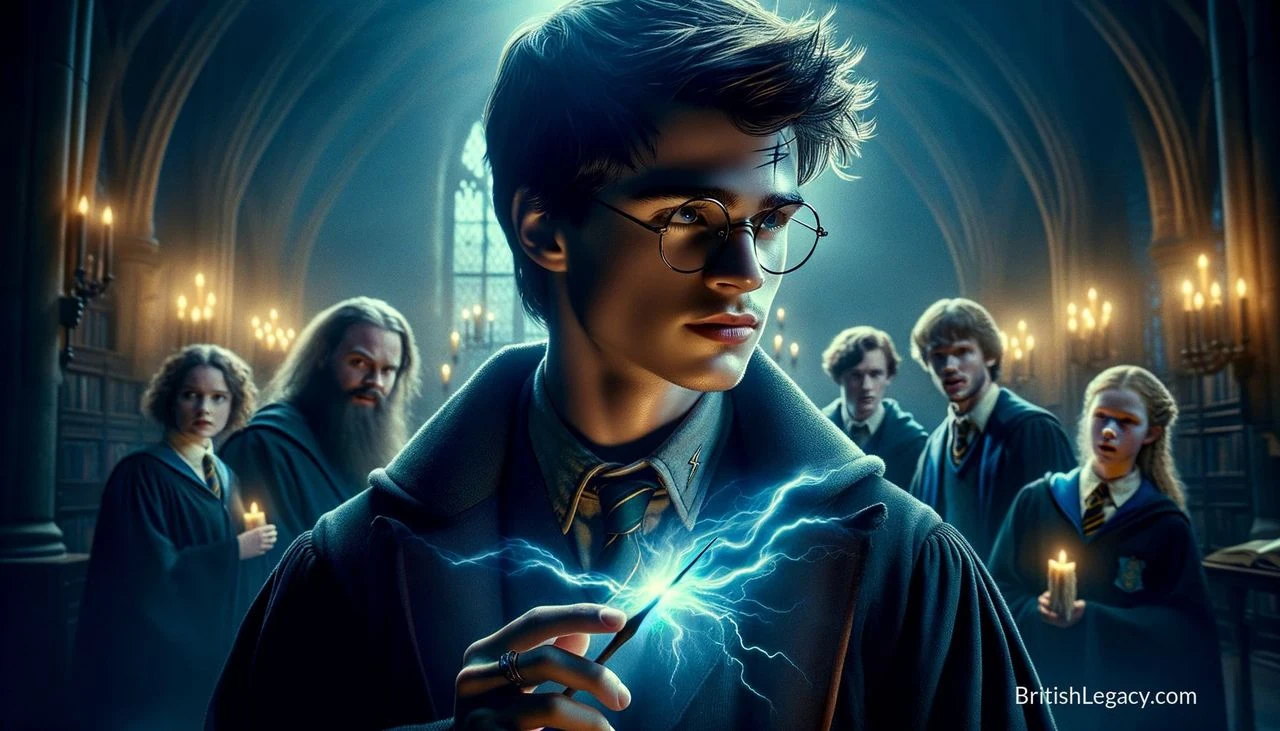
The Harry Potter film series turned J.K. Rowling’s stories of a young wizard and his friends into eight films released over a decade. Their journey through Hogwarts School of Witchcraft and Wizardry brought Harry Potter, Hermione Granger and Ron Weasley to a worldwide audience. The films drew on British locations and production facilities, and featured performers including Maggie Smith, Alan Rickman and Ralph Fiennes alongside Daniel Radcliffe, Emma Watson and Rupert Grint.
From bestselling novels to the screen
The first novel, Harry Potter and the Philosopher’s Stone, was published in 1997. It is known as Harry Potter and the Sorcerer’s Stone in the United States. The books’ success paved the way for screen adaptations produced by Warner Bros. The first film, also titled Harry Potter and the Philosopher’s Stone, was released in 2001 and directed by Chris Columbus.
The series concluded in 2011 with Harry Potter and the Deathly Hallows – Part 2. Across the eight films, the central trio’s adventures at Hogwarts were joined by roles for established actors such as Smith, Rickman and Fiennes. The blend of experienced performers and younger leads gave the stories a cast extending across generations.
British places and film-making
British settings and facilities formed a visible part of the films’ world. Locations included Alnwick Castle and the Glenfinnan Viaduct, while detailed sets were created at Leavesden Studios. These elements helped translate the books’ imagined school and landscapes into screen settings, while giving the productions a tangible connection to places in Britain.
The Leavesden sets later became part of the Warner Bros. Studio Tour London – The Making of Harry Potter. The tour preserves a public-facing connection to the production: visitors can encounter elements of the film-making after the original releases. The series also used visual effects to build its fictional world. John Williams composed music associated with the films, though the claim that he composed the score for the entire series is not included here.
Audience and cultural reach
The films carried the novels’ fantasy setting and stories of friendship, courage and conflict to cinema audiences. Their success also extended beyond the films themselves, through merchandise, tourism and related media. The franchise has inspired fan fiction and fan art, as well as conventions where fans celebrate the Harry Potter world.
The scale of the films’ worldwide box-office takings is described in some accounts as more than $7.7 billion. Without a source here to establish the figure or its basis, it is not used as a precise measure of the series’ commercial performance. The films’ continued presence through related media and the Leavesden tour nevertheless illustrates how their reach extended beyond their original cinema releases.
Why the Harry Potter series deserves a place in British Legacy
The series merits a place in British Legacy because its production brought together British locations, performers and studio work in films seen by audiences around the world. Alnwick Castle and the Glenfinnan Viaduct supplied real settings, while Leavesden Studios provided space for detailed sets. The later studio tour has kept that production history accessible to visitors, extending the films’ connection to Britain beyond the period when they were being made.
Its legacy also lies in the way a literary world became a large-scale screen experience and a continuing focus for fans. The films carried Harry, Hermione and Ron’s adventures from the novels into cinema, while fan art, fan fiction, conventions and related media gave audiences ways to engage with the story beyond the screen. That combination of British production, international reach and an enduring public afterlife makes the series a substantial part of the country’s film and television story.