
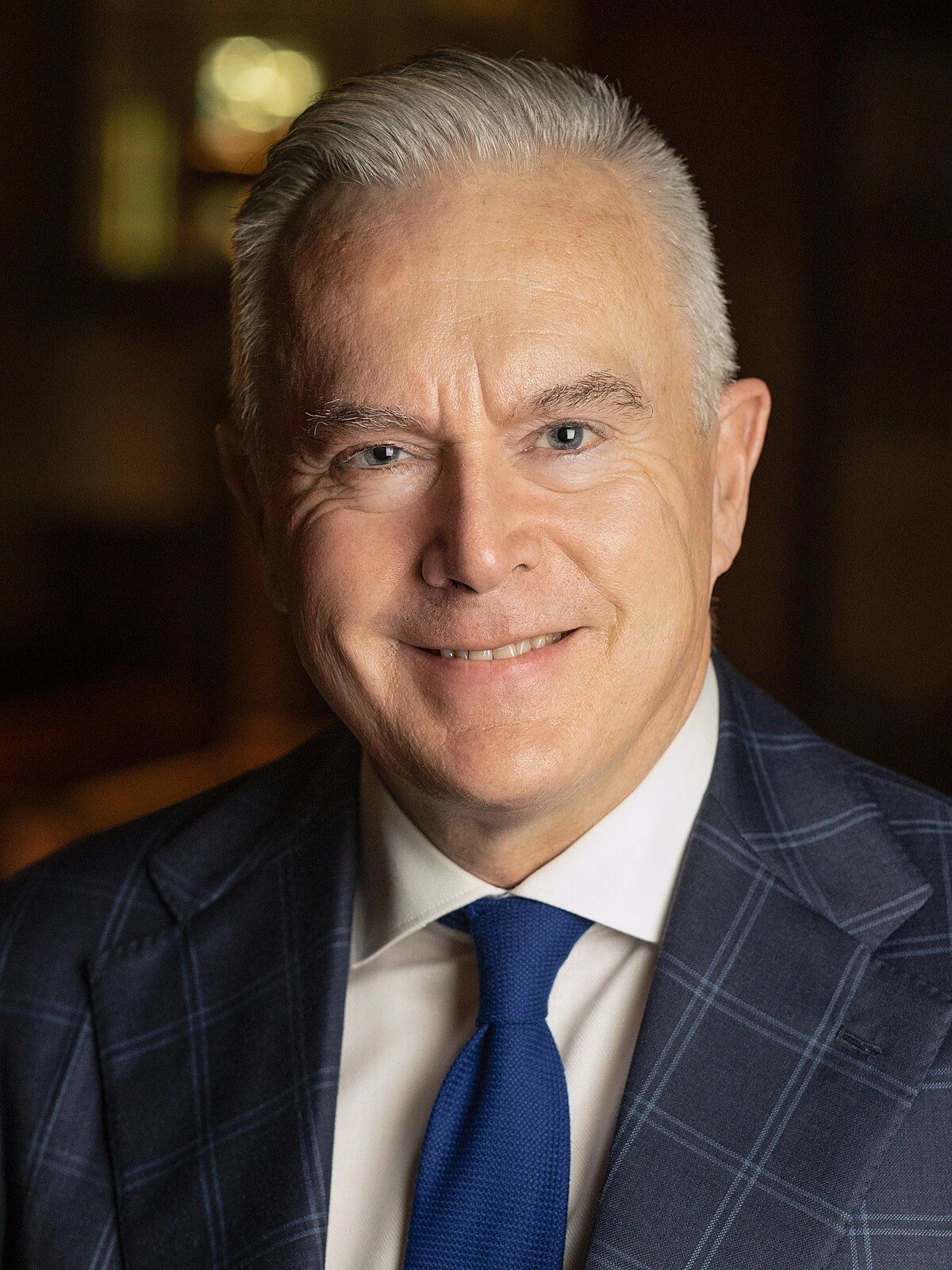
For two decades, Huw Edwards was one of the most familiar presenters on British television. From 2003 to 2023 he led BBC News at Ten, while also presenting coverage of elections, royal events and other major occasions. His career brought him to the centre of public broadcasting in Britain; its ending, after he pleaded guilty to criminal offences in 2024, is an essential part of the same public record.
Growing up in a Welsh-speaking family
Edwards was born in Bridgend, Wales, on 18 August 1961 and grew up from the age of four in Llangennech, near Llanelli. Welsh was part of his family life. His father, Hywel Teifi Edwards, was an academic, author and Welsh-language activist; his mother, Aerona Protheroe, taught at Ysgol Gyfun y Strade in Llanelli. Edwards attended Llanelli Boys’ Grammar School and graduated in French from University College, Cardiff, in 1983.
After graduating, he began postgraduate work in Medieval French at Cardiff and gained early broadcasting experience at Swansea Sound, where he presented an opera programme and read the news. He joined the BBC as a news trainee in 1984. His education later continued alongside his broadcasting work: in 2018 he received a PhD from the University of Wales Trinity Saint David for research into Welsh Nonconformist chapels in Llanelli and London.
From Welsh broadcasting to the national news
Edwards worked in Welsh-language broadcasting as well as English-language news. From 1985 he was a sub-editor and presenter on S4C’s Newyddion Saith. In 1986 he became parliamentary correspondent for BBC Cymru Wales, then moved to BBC News as a senior political correspondent in 1988. He spent more than 14 years reporting politics from Westminster across BBC programmes.
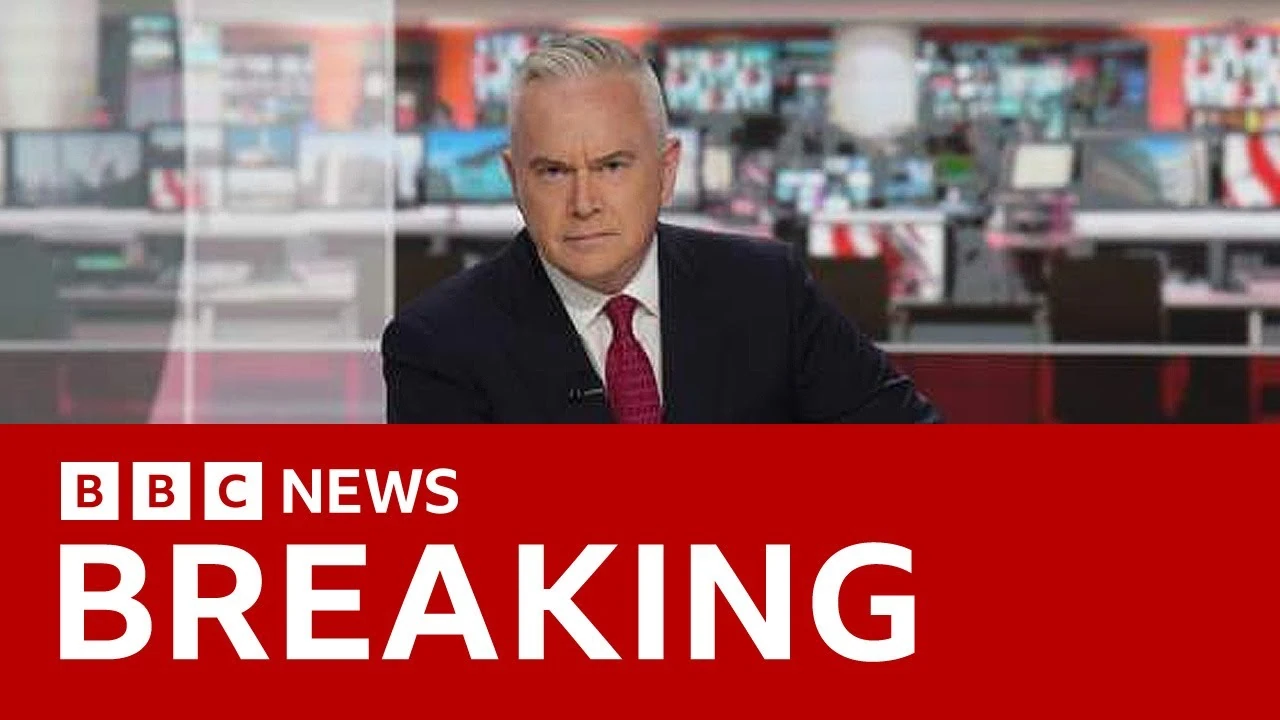
Between 1994 and January 2003, he presented the BBC Six O’Clock News. He also chaired S4C’s current-affairs programme Pawb a’i Farn and fronted BBC coverage of the 1997 Welsh devolution referendum. In January 2003 he became the main presenter of the Ten O’Clock News on BBC One, later known as BBC News at Ten. He held the lead role until 2023.
Edwards’s work extended beyond the evening bulletin. He presented or contributed to programmes including Newsnight, Panorama and BBC News at Five, and hosted election coverage. He was the lead presenter for the BBC’s 2019 general-election coverage. His broadcasting also included the 2007 National Assembly for Wales election and the 2015 general election, as well as coverage of the 2016 European Union membership referendum.
Reporting national occasions
Royal events became a prominent part of Edwards’s television work. He presented the BBC’s coverage of the 2011 wedding of Prince William and Catherine Middleton; at its peak, that broadcast attracted 20 million viewers in the UK, and the team won a BAFTA for Best Coverage of a Live Event. He later presented coverage of the Diamond Jubilee of Elizabeth II in 2012 and the wedding of Prince Harry and Meghan Markle in 2018.
In September 2022, Edwards announced the death of Elizabeth II during the BBC’s rolling coverage. He also presented the BBC’s coverage of her state funeral. Other major broadcasts included the funeral of Prince Philip in 2021 and the coronation of Charles III and Camilla in 2023. He led BBC commentary teams for the opening and closing ceremonies of the 2008 Beijing Olympics, the 2012 London Olympics and the 2014 Commonwealth Games.
He also presented documentaries on history, religion and Welsh culture. Bread of Heaven with Huw Edwards, about the impact of religion in Wales, won the 2005 BAFTA Cymru award for best documentary. In 2012 he presented the BBC Wales series The Story of Wales. His other work included a two-language documentary on the Welsh colony in Patagonia, made for its 150th anniversary, and a 2010 programme about the investiture of the Prince of Wales. These projects reflected a professional interest in Welsh history and public life as well as his work on national news.
A career’s end and the court case
In July 2023, the BBC suspended Edwards after allegations about his conduct were published by The Sun. South Wales Police and the Metropolitan Police found no evidence of criminal conduct in relation to those allegations. Edwards was hospitalised with depression shortly afterwards and resigned from the BBC in April 2024 on medical advice.
That investigation and the criminal case that followed were separate matters. In July 2024, Edwards pleaded guilty to three counts of making indecent images of children, relating to images received during online chats. On 16 September 2024, he was sentenced to six months in prison, suspended for two years, and placed on the sex offenders’ register. He was also ordered to attend a sex-offender treatment programme and pay costs and a victim surcharge. The sentence and conviction are central facts in any account of his public career, not a footnote to his broadcasting record.
Edwards’s years at the BBC included work that reached large audiences and helped define the presentation of major public events. They also ended with his resignation and conviction. Describing both parts is necessary to give readers a proportionate account: the professional prominence is documented, but it does not cancel the gravity of the offences to which he pleaded guilty.
Why Huw Edwards deserves a place in British Legacy
Edwards’s place in British Legacy rests on the scale and range of his work in public broadcasting, viewed alongside an accurate account of how that career ended. As lead presenter of BBC News at Ten from 2003 to 2023, he occupied a highly visible role in the daily presentation of national news. His work also included election broadcasts and coverage of events such as the death and state funeral of Elizabeth II, the coronation of Charles III and major royal occasions. Those programmes formed part of how audiences across the UK encountered events of national significance.
His Welsh connection is equally specific. He began in Welsh-language broadcasting, reported for BBC Cymru Wales, presented programmes about Welsh history and religion, and completed doctoral research on Welsh chapels. That work linked a prominent national broadcasting career with sustained attention to Welsh public life and cultural history. A legacy account should preserve that contribution without turning professional visibility into an unqualified claim about personal virtue or public trust. Edwards resigned from the BBC in 2024 and was convicted that year after pleading guilty to three offences. Recording the achievements and the conviction together is the clearest way to explain his place in the history of British broadcasting.
Sources
Huw Edwards — Wikipedia, revision 1374403869
Adapted in part from Huw Edwards by Wikipedia contributors, under CC BY-SA 4.0. Text has been edited and combined with the existing article; this adapted text is shared under the same licence. Contributor history.
.jpg)