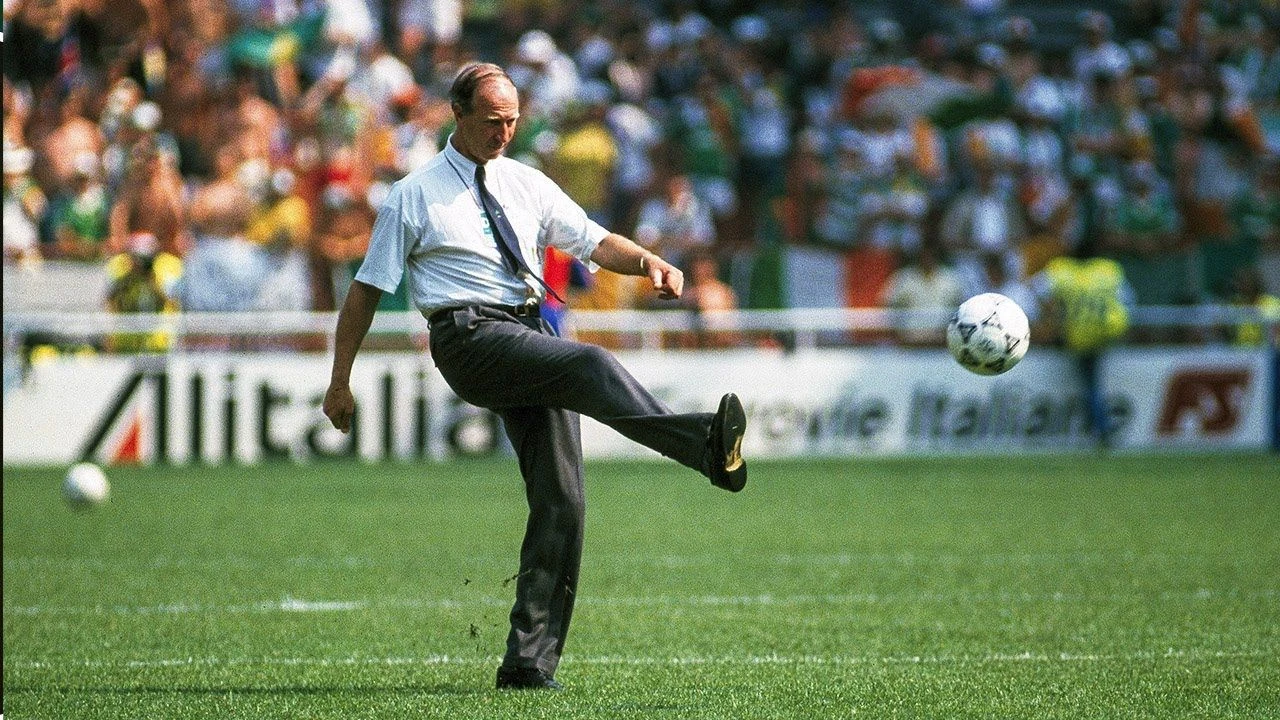
Jackie Charlton: A Titan of British Football
The annals of British football history are richly embroidered with tales of heroism, triumph, and indomitable spirit. Among the legends, one name stands out with particular prominence: Jackie Charlton. His legacy as both a player and a manager has left an indelible mark on the beautiful game, etching his name into the pantheon of football greats.
Early Life and Rise to Prominence
John "Jackie" Charlton was born on May 8, 1935, in the small mining town of Ashington, Northumberland. Football ran in the family; his younger brother Bobby Charlton also became a prominent footballer. But Jackie carved out his own path to glory, starting with his dedication at Leeds United, the club where he spent his entire playing career from 1952 to 1973. Through his loyalty and exceptional defensive skills, Charlton became a linchpin for Leeds, helping the team secure promotion to the First Division and clinching the league title in the 1968-69 season.
Glory Days: The 1966 World Cup
Jackie Charlton’s most prestigious moment as a player was undoubtedly during the 1966 FIFA World Cup. Held on home soil, England was determined to make its mark and claim football’s most coveted prize. As part of the England squad, Jackie played a pivotal role as a central defender alongside captain Bobby Moore. His robust defending and tactical acumen were critical in England’s path to glory.
The World Cup final on July 30, 1966, was a nerve-wracking affair against West Germany at Wembley Stadium. In a match that has since gone down in football folklore, England emerged victorious with a 4-2 victory after extra time. Charlton’s sterling defensive work and on-field leadership were instrumental, earning him a place in the hearts of millions of fans and an everlasting spot in football history.
Managerial Brilliance with the Republic of Ireland
After hanging up his boots in 1973, Charlton turned his attention to management, a move that extended his influence on the game even further. While his managerial career included stints at Middlesbrough, Sheffield Wednesday, and Newcastle United, it was his tenure with the Republic of Ireland national team that truly showcased his exceptional capabilities.
Taking the helm in 1986, Charlton revolutionised Irish football. His pragmatic, no-nonsense approach and emphasis on a strong defence transformed the Republic of Ireland into a competitive force on the international stage. His crowning achievement came during the 1990 FIFA World Cup in Italy, where he guided the team to the quarter-finals – an unprecedented success for Irish football. Under his stewardship, the team also qualified for Euro 1988 and the 1994 World Cup, cementing his legacy as a managerial great.
Legacy and Impact
Jackie Charlton passed away on July 10, 2020, but his impact on British and international football endures. His illustrious career is a testament to his unwavering dedication, tenacity, and tactical brilliance. Beyond his personal accolades, Charlton’s influence extends to the broader cultural and social impact of football. He demonstrated how the sport could unify nations, inspire generations, and engender a sense of pride and identity.
In England, his contributions to the 1966 World Cup victory remain a source of national pride, a pinnacle moment in British sporting history. In Ireland, Charlton is celebrated not just as a manager, but as a cultural icon who galvanised a nation and brought joy to countless supporters.
Wrap-Up
Jackie Charlton’s story is a captivating chapter in the grand narrative of British football. From his days as a stalwart defender to his transformative managerial career, Charlton embodied the spirit of resilience and innovation. His legacy serves as a reminder of the beautiful game’s power to transcend borders and unite people in shared passion and pride. Through his contributions, Jackie Charlton has indelibly shaped the great British legacy, leaving a lasting impression on the world stage.