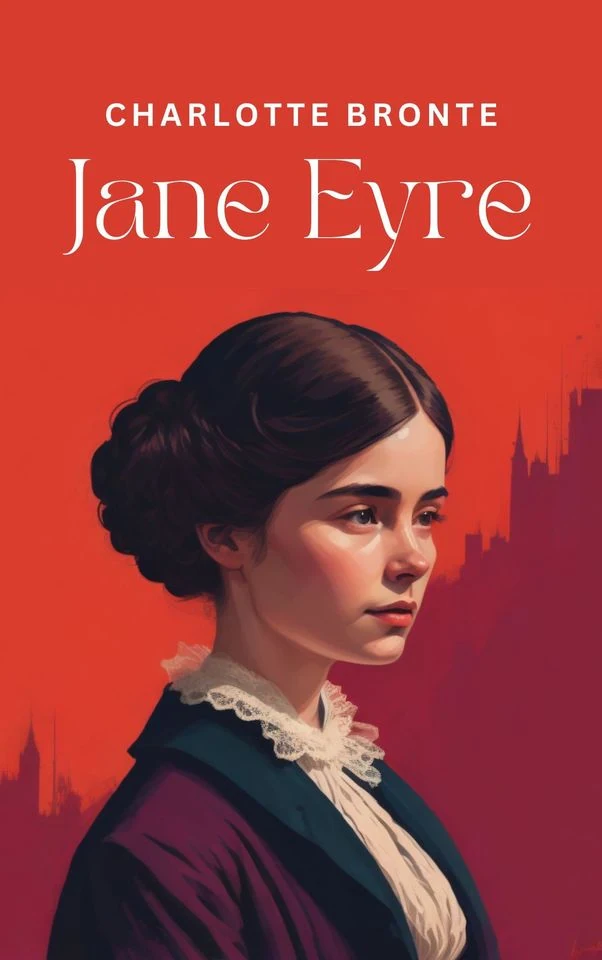
"Jane Eyre" by Charlotte Brontë: A Pillar of British Literary Heritage
Introduction
"Jane Eyre," written by Charlotte Brontë, is one of the quintessential novels in British literature. First published in 1847 under the pseudonym "Currer Bell," it has since captivated readers with its compelling blend of gothic mystery, romance, and social critique. The tale follows the indomitable spirit of its eponymous character, Jane Eyre, through various trials and tribulations that explore themes of love, independence, and morality.
What is "Jane Eyre" About?
"Jane Eyre" is a profound narrative that begins with the orphaned Jane living unhappily with her cruel Aunt Reed. She is later sent to Lowood School, an institution marked by harsh conditions and ill treatment. Despite these challenges, Jane emerges as a well-educated and strong-willed woman. She becomes a governess at Thornfield Hall, where she meets the enigmatic and brooding Mr. Rochester. Their complex relationship, marked by love and moral dilemmas, forms the crux of the novel's emotional core. Alongside their romance, the novel explores themes of social class, sexuality, religion, and the quest for autonomy.
Genesis of the Novel
"Jane Eyre" was penned by Charlotte Brontë during a period when the literary world was predominantly male-dominated. Born in 1816 in the village of Thornton, Yorkshire, Brontë was the third of six children. The Brontë siblings, including her famous sisters Emily and Anne, grew up in the remote village of Haworth, surrounded by the bleak moorlands that often inspired their literary works. Writing under the male pseudonym "Currer Bell" allowed her to defy contemporary gender norms and ensure her work received unbiased recognition.
The Success and Influence
Upon its publication, "Jane Eyre" was met with widespread acclaim, praised for its innovative narrative style and emotional depth. Critics and readers alike were struck by the novel's exploration of complex, nuanced characters, particularly in the portrayal of Jane, who defied conventional Victorian femininity. The book's success propelled Charlotte Brontë to literary stardom and cemented her place among the greatest authors of her time.
Contribution to the British Legacy
"Jane Eyre" stands as a monumental contribution to British literary heritage. Its modern approach to character development and the intertwining of gothic elements with realistic settings broke new ground in the literary world. The novel's exploration of social issues, such as class inequality and women's autonomy, continues to resonate today. Charlotte Brontë’s defiance of societal constraints and her powerful narrative technique significantly influenced female authors of subsequent generations.
The resilient and morally complex character of Jane Eyre has become a timeless symbol of inner strength and integrity. Brontë's use of first-person narrative allowed an intimate glimpse into Jane's inner life, fostering a deep connection between character and reader—a technique replicated by many later authors.
Purchase "Jane Eyre"
For those looking to delve into this masterpiece, "Jane Eyre" is available for purchase on Amazon at this link. Owning a copy of this vital work not only enriches one's personal library but also provides profound insights into the human condition through the lens of one of Britain's finest literary creations.
Wrap-Up
"Jane Eyre" by Charlotte Brontë remains a cornerstone of British literature, its themes and stylistic innovations continuing to inspire readers and writers alike. Its legacy is one of defiant individualism and profound emotional exploration, marking it as a must-read for anyone interested in the enduring power of narrative.
By capturing the very essence of human resilience and moral complexity, "Jane Eyre" has eternally inscribed itself into the canon of great British books, leaving a legacy that will inspire countless future generations.