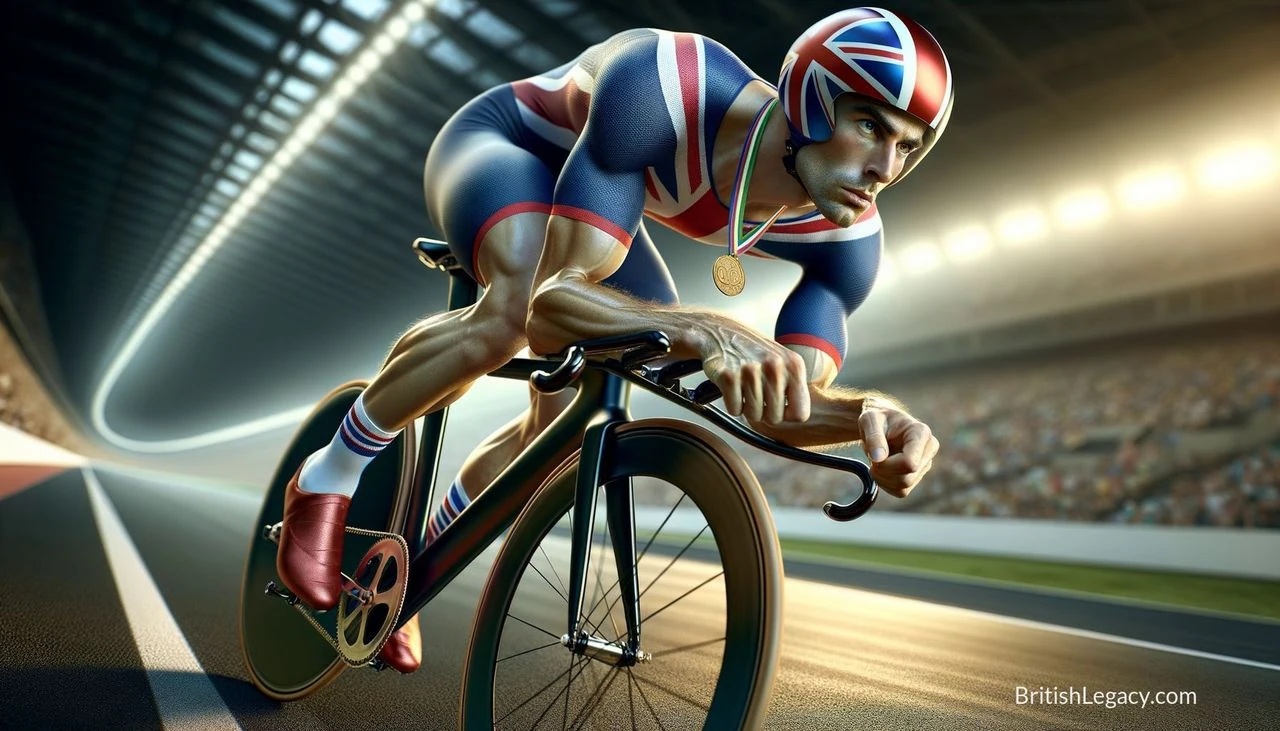
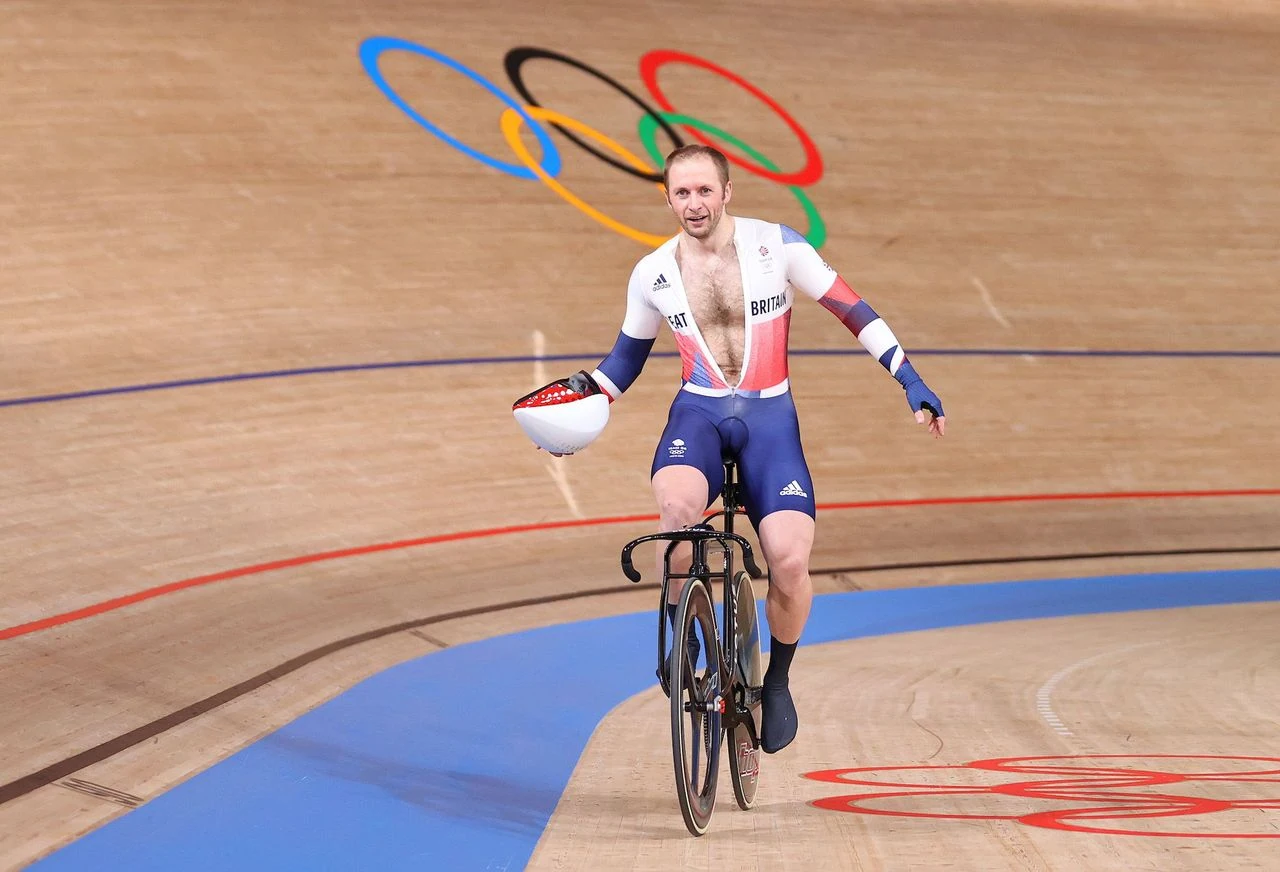
Jason Kenny’s Olympic record was built across four Games, not one defining victory. He won his first gold in the team sprint at Beijing in 2008, added two at London in 2012 and three at Rio in 2016, then secured a seventh at Tokyo in 2021. That final gold, in the keirin, made him Britain’s most successful Olympian by both gold medals and total Olympic medals. After retiring from competition, he took up a coaching role with British Cycling.
From Bolton to the velodrome
Jason Francis Kenny was born in Bolton, Greater Manchester, on 23 March 1988. He attended Mount St Joseph School in Farnworth and played several sports as a boy, including football, cricket and tennis. Cycling became his focus after he and his older brother, Craig, went to a track session at Manchester’s National Cycling Centre. Their uncle had booked places and there were some spare.
Kenny entered the Future Stars series, a junior competition held alongside the Revolution meetings at Manchester Velodrome. He took part in sprint and endurance events for young riders, finishing among the top ten in the series standings in 2005. He moved on to compete internationally for Great Britain, winning junior world titles in 2006. The progression was rapid: in the 2007–08 season, he beat world champion Theo Bos at a Revolution meeting.
At the 2008 world championships Kenny finished fifth in the sprint. He was selected for the Beijing Olympic team sprint squad shortly before the Games, replacing Ross Edgar. With Chris Hoy and Jamie Staff, he helped Britain defeat France in the final. In the individual sprint, he reached the final but lost to Hoy, taking silver. In little more than three years, Kenny had moved from a domestic junior series to the Olympic podium.
Golds at London and Rio
Kenny’s next Olympic Games were on home ground. At London 2012, he won team sprint gold with Chris Hoy and Philip Hindes; the British trio set a world record at the London Velopark. Kenny also won the individual sprint, setting an Olympic record in qualifying and beating Grégory Baugé in the final. The two events brought him his second and third Olympic gold medals.
His route through the years between London and Rio included success and setbacks. In 2013, he won the keirin at the world championships. The following year, he took team sprint silver at the Commonwealth Games in Glasgow and, after a difficult start in the individual sprint, fought through the rounds to reach its final, where he also won silver. In 2016, he became world champion in the sprint at the championships in London, beating Matthew Glaetzer in the final.
At Rio, Kenny won all three Olympic sprint events. He took team sprint gold with Philip Hindes and Callum Skinner, the British team breaking the world record twice in the competition. Kenny then won the individual sprint and the keirin. Three victories brought his Olympic gold tally to six, matching Chris Hoy’s total. After the Games, Kenny stepped away from competition. He later said the physical and mental demands of racing had taken their toll; a year away refreshed him, and he returned to the track in 2018.
Return, final Olympic gold and coaching
Kenny’s return brought further team sprint medals. He was part of the British silver-medal team at the 2018 world championships, followed by European championship silver in 2019 and world championship silver in 2020. These results came in a discipline in which Britain had not won a world championship team sprint medal since 2011.
The Tokyo Olympics, held in 2021 after their postponement, ended Kenny’s run of winning every Olympic final in which he had competed. He and teammates Jack Carlin and Ryan Owens took silver in the team sprint, beaten by the Netherlands. Kenny’s defence of the individual sprint title ended in the quarter-finals, and he finished eighth overall. In the keirin, however, he attacked after the pacing derny left the track and held his lead to win gold. It was his seventh Olympic gold and ninth Olympic medal, making him the British Olympian with the most of both.
Kenny retired from competition in February 2022 and became men’s podium sprint coach with British Cycling. He was appointed a Member of the Order of the British Empire in 2009, an Officer in 2013 and a Commander in 2017, each time for services to cycling. In the 2022 New Year Honours he was made a Knight Bachelor, giving him the title Sir. He married fellow track cyclist Laura Trott in 2016; together, their Olympic gold-medal total is twelve.
Why Jason Kenny deserves a place in British Legacy
Kenny’s place in British sporting history rests on a record that is both clear and unusually durable. Across Beijing, London, Rio and Tokyo, he won seven Olympic gold medals and nine medals in total, more than any other British Olympian. His victories came in the sprint, team sprint and keirin, events that demand different combinations of individual speed, judgement and cooperation. In Beijing he entered the team sprint squad at short notice and left with gold and an individual silver. In Rio he won all three sprint events. At Tokyo, after losing in the team sprint and individual sprint, he still found a way to win the keirin. The variety and span of those results give substance to his record.
His career also connects British cycling’s Manchester pathway to the world’s biggest sporting stage. Kenny first raced in the Future Stars series at Manchester Velodrome, then progressed through junior titles and international competition to become an Olympic champion. His return after a break, subsequent championship medals and move into coaching add a further chapter: his involvement with the sport did not end with his last race. For British Legacy, Kenny represents not just a medal count but a documented progression from local track racing to a position of responsibility within British Cycling. His achievements offer a specific example of how a British athlete’s long career can shape a sporting legacy both through competition and through coaching.
Sources
Adapted in part from Jason Kenny by Wikipedia contributors, under CC BY-SA 4.0. Text has been edited and combined with the existing article; this adapted text is shared under the same licence. Contributor history.