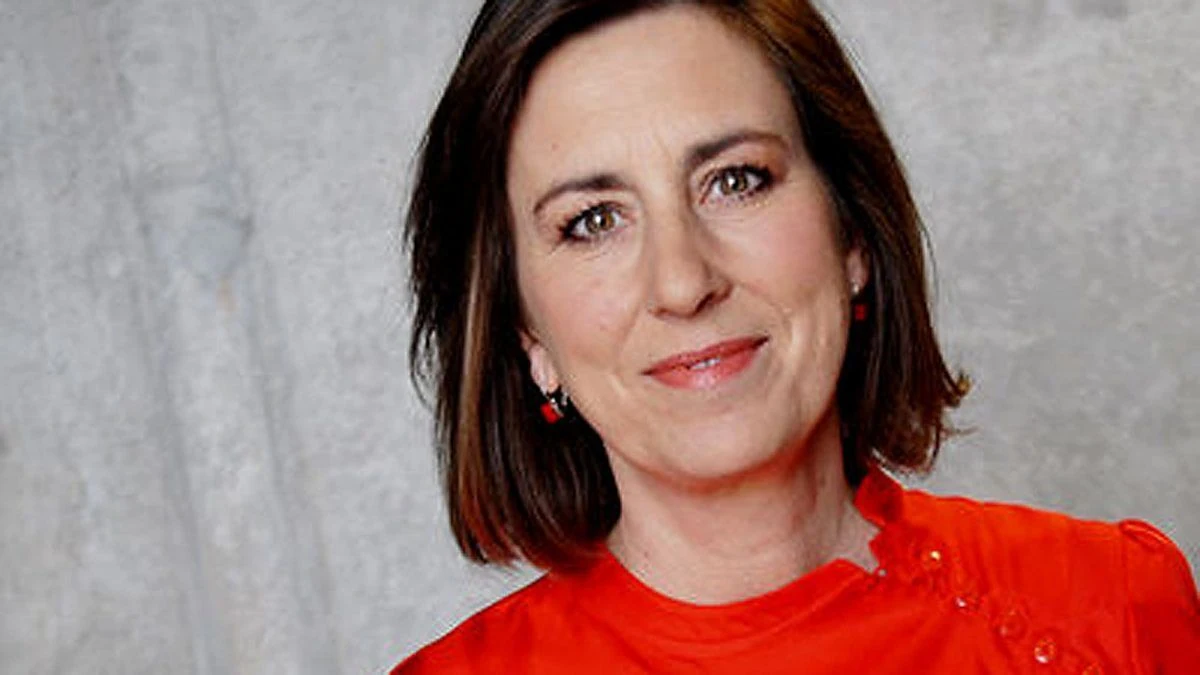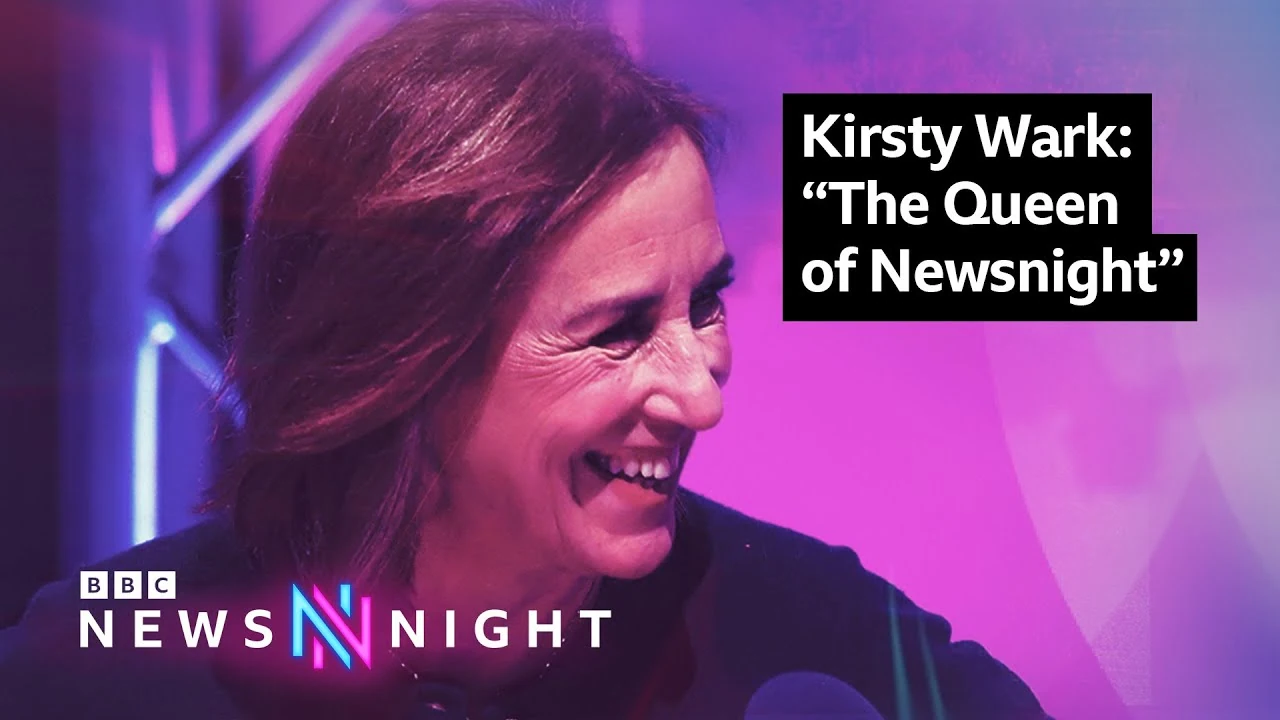
Kirsty Wark’s career, as described in the supplied account, spans Scottish radio, national current-affairs television and cultural documentary-making. It begins at BBC Radio Scotland in 1976 and reaches Newsnight in 1990. Among the examples singled out is an interview with then BBC director-general Mark Thompson in the wake of the Jimmy Savile scandal. The account also attributes to Wark reporting on the aftermath of the 11 September attacks and Brexit, alongside work on social questions through documentary.
From Dumfries to BBC Radio Scotland
The account says Wark was born in Dumfries, Scotland, and graduated from the University of Edinburgh. It places the start of her journalism career at BBC Radio Scotland in 1976. Those details give the biography a Scottish beginning, before its focus shifts to a programme with a UK-wide current-affairs profile.
The supplied text offers little about Wark’s university years or her first assignments. What it does identify is the sequence: study at Edinburgh, a start in radio, then a move into television. Rather than filling in the unrecorded steps, it is worth holding to what the account actually specifies: the broadcaster and year that mark her professional entry, and the later programme that became its central focus.
Interviewing on Newsnight
Wark joined Newsnight in 1990, according to the supplied biography. It describes the programme as a setting for in-depth current-affairs coverage and characterises her interviewing style as assertive and thorough. Its emphasis is on scrutiny: interviews with politicians and public figures, and questions intended to press beyond prepared statements.
The most particular example is her interview with Mark Thompson, then the BBC director-general, in the wake of the Jimmy Savile scandal. The account presents the exchange as an instance of holding an influential figure to account. It gives no date or transcript, so the significance here is the example itself and the kind of journalistic work the original biography chose to highlight.
The same account names coverage of the aftermath of the 11 September 2001 attacks and the political upheavals of Brexit. It does not identify individual broadcasts or reports. These references nevertheless show the range of subjects it associates with Wark’s current-affairs work: international events and their consequences, as well as a major period of political change in the UK.
Documentaries and reported awards
Political reporting was not the only strand in the supplied account. It also describes Wark as a cultural reporter and names Blurred Lines: The New Battle of the Sexes, a documentary said to explore social dynamics. The article gives no transmission date or production details, but the title offers a specific example of the cultural work it attributes to her.
The biography reports that Wark was named Journalist of the Year by Scotland on Sunday and received a BAFTA Scotland Award for documentary work. It supplies neither the year nor the BAFTA category. Those recognitions are included as reported in the source, without adding details it does not provide. Its broader claim that Wark has inspired a generation of journalists, particularly women, is an assessment rather than a documented example, so it is not presented here as established fact.
Why Kirsty Wark deserves a place in British Legacy
The supplied account makes a case for Wark’s place in a record of British journalism through the range of broadcasting it describes. It traces a route from BBC Radio Scotland to Newsnight, joining a Scottish professional starting point to national current-affairs television. It also identifies political interviewing, coverage of major events and documentary-making as parts of that career. These are distinct forms of work: reporting and questioning public figures on current affairs, and using a documentary to address cultural and social subjects.
The interview with BBC director-general Mark Thompson after the Savile scandal is the account’s clearest example of institutional scrutiny. Its references to the aftermath of 11 September and Brexit place Wark’s reported coverage amid consequential international and UK political developments, while the named documentary shows a different area of interest. The supplied material does not establish the scale of her influence, and this feature does not need to overstate it. The specific career it records—Scottish radio, a long-running current-affairs programme, political interviews and cultural work—shows why her broadcasting belongs in a British Legacy account.