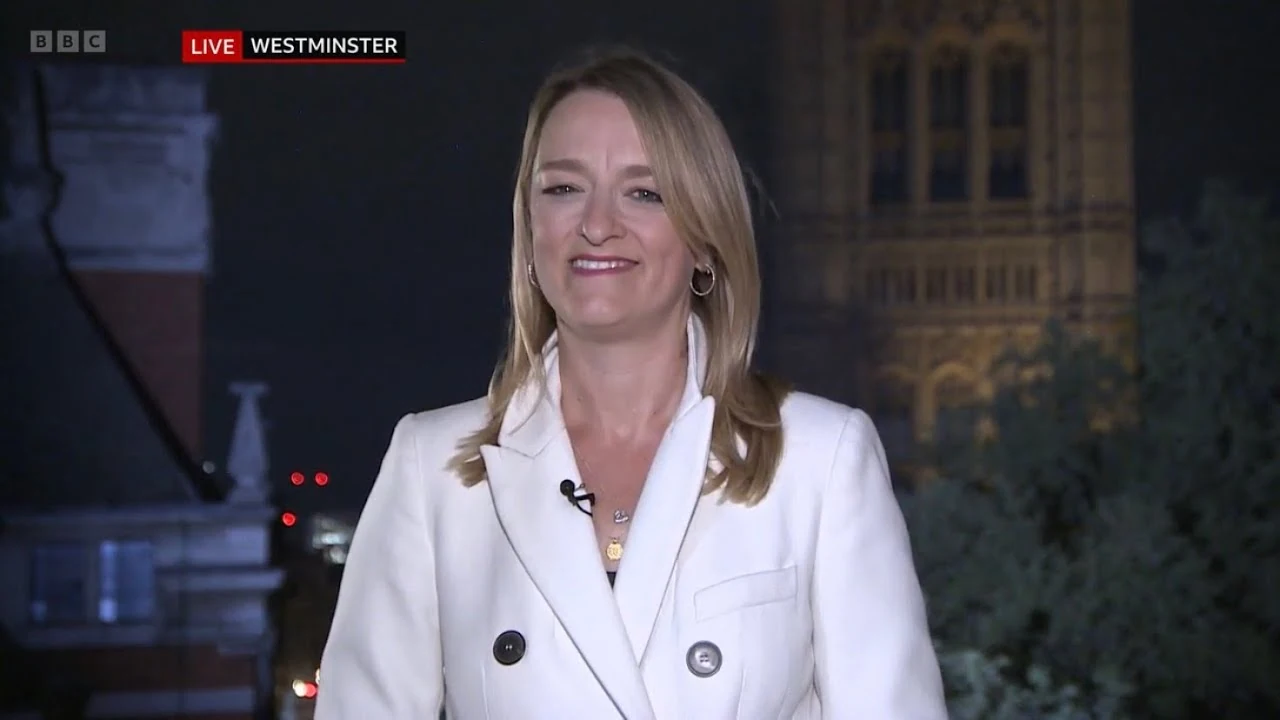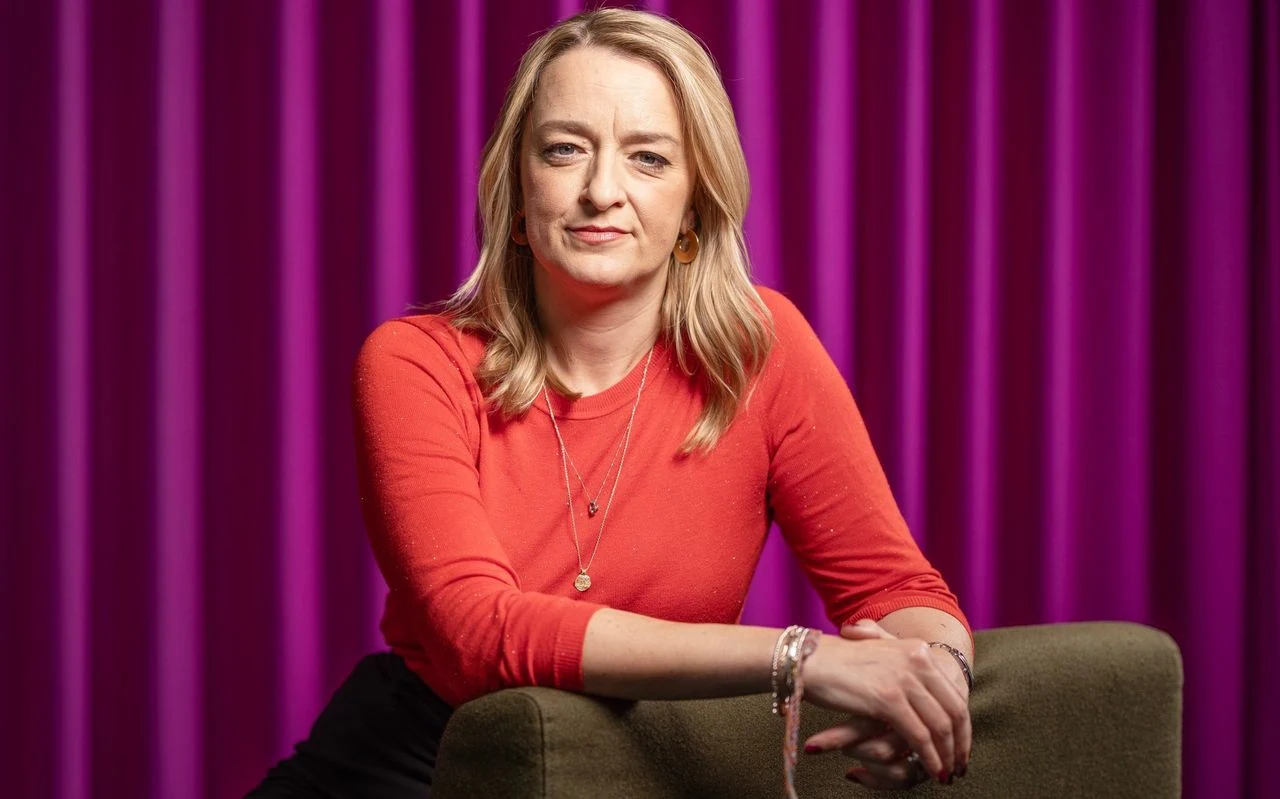
Laura Kuenssberg’s career has taken her from local radio and regional television news to prominent political reporting at the BBC. The supplied account traces that progression through BBC regional assignments, a role as the corporation’s chief political correspondent, a spell as ITV News’ Business Editor and her 2015 appointment as the BBC’s Political Editor. It also identifies Brexit and the general elections of 2017 and 2019 as major parts of her reporting. Its broad chronology gives a picture of her professional path, though it does not name individual reports or scoops.
From Glasgow to regional broadcasting
The supplied article says Kuenssberg was born in Italy and raised in Glasgow. She studied history at the University of Edinburgh, then took a postgraduate course in journalism at Georgetown University in Washington, DC. Her first work in journalism was in local radio and regional television news; the account does not identify the stations or programmes.
She joined the BBC in 2000 and had assignments with BBC Midlands and BBC North, according to the article. Those regional posts preceded her move into national political coverage. The source describes her reporting as candid and clear, and says she could explain complex issues to viewers, but gives no particular story from these early roles as an example.
Political roles at the BBC and ITV
Kuenssberg went on to become the BBC’s chief political correspondent. She later moved to ITV News as Business Editor, before returning to the BBC in 2015 as Political Editor. The supplied account identifies her as the first woman to hold that position at the corporation, a specific milestone in the career it describes.
The role placed her reporting at the centre of national political news. The source says she covered Conservative Party divisions and the Brexit withdrawal negotiations, and obtained exclusive insights, including material from Downing Street. It praises her speed in breaking news and her analysis, but does not identify the individual scoops, their timing or their effect. Those limits matter: the available account supports a summary of the subjects and roles, not a detailed assessment of particular reports.
Brexit and election coverage
Brexit is the central period in the supplied account of Kuenssberg’s work as Political Editor. It describes her coverage of the negotiations and of divisions within the Conservative Party, and says her reporting helped audiences follow complicated developments. The text presents this as a combination of breaking news and analysis. Without named examples, however, it is not possible from this material to illustrate how a specific report changed public understanding or influenced political debate.
The account also records her live updates and commentary during the 2017 and 2019 general elections. These assignments connected her reporting with two significant contests in British politics. The source characterises her coverage as fast and accurate, but provides no individual broadcast or report to substantiate that judgement. A measured account can retain the electoral and political subjects it names while distinguishing those concrete details from its broader praise.
Public profile and representation
The supplied article says Kuenssberg faced scrutiny and criticism during a politically charged period. It does not describe particular criticisms or give examples, so its judgement that some were unwarranted cannot be assessed from the material provided. The fact that her public role attracted scrutiny is part of the account; claims about the fairness or origins of that criticism require evidence not present here.
Her appointment as the BBC’s first female Political Editor is a clearly stated feature of the career described. The source argues that her appointment paved the way for later generations of women journalists, but offers no examples of subsequent appointments or effects on the profession. The milestone can be recognised without treating that broader claim as established by the supplied text.
Why Laura Kuenssberg deserves a place in British Legacy
Kuenssberg’s place in British Legacy rests on the career outlined in the supplied account: work in local and regional broadcasting, political reporting at the BBC, a business role at ITV News and, from 2015, the BBC Political Editor post. The article associates that post with coverage of Brexit, Conservative Party divisions and the 2017 and 2019 general elections. These are specific areas of British public life, and the account places her reporting among the ways audiences encountered their political developments.
Her appointment as the BBC’s first female Political Editor is another concrete part of this record. It marks a milestone in representation within a prominent British broadcasting role. The source makes larger claims about her influence and the example she set, but does not supply the reporting examples needed to measure those effects. A careful legacy account can therefore recognise the significance of the roles and events documented here while leaving those wider judgements open. The value of the available record lies in its clear career progression and the major political coverage it identifies, rather than in unsupported claims of singular influence.