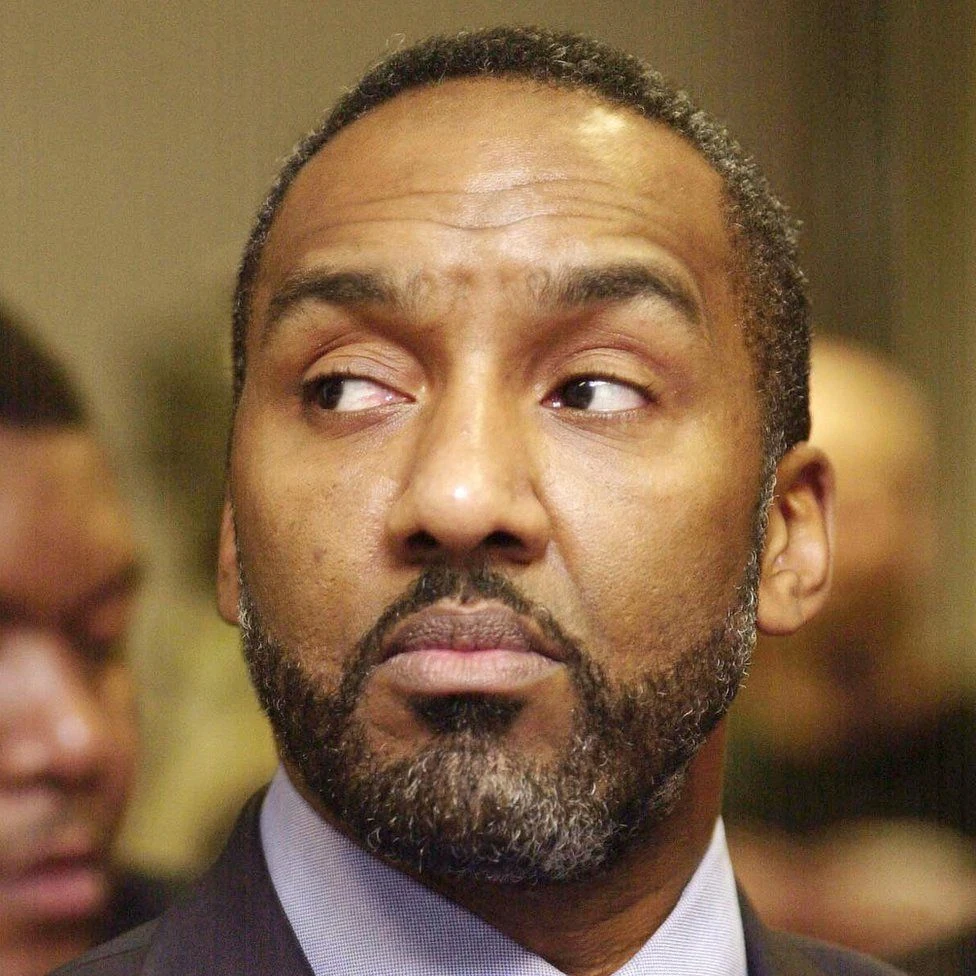
Leroy Logan saw two police officers assault his father. He later chose to join the Metropolitan Police. That decision, made in 1983, shaped a career that took him from research science to the rank of superintendent and placed him among the Black officers working to make the force answer for its treatment of both its staff and the communities it served. Logan became a founding member and long-serving chair of the Black Police Association, took part in the Stephen Lawrence and Damilola Taylor inquiries, and helped organise policing for the London 2012 Olympics. His experience later reached a much wider audience through his memoir and a dramatisation of his early police career.
Logan’s story is not simply one of advancement through the ranks. He combined the practical responsibilities of police work with advocacy for change inside the institution. His career offers a view of how an officer could belong to a public service while challenging its failures—and of how the work of reform depends on people being able to speak together, not only as individuals.
From applied biology to the Met
Born in Islington, London, to Jamaican parents, Logan attended Highbury Grove School and then Hackney Community College. He studied biology, chemistry and physics at A-level before going on to the University of East London, where he completed a BSc in applied biology between 1976 and 1980. Before entering policing, he worked as a research scientist.
His route into the police was shaped by what happened to his father. Logan witnessed two officers assault him, an experience that might have left him with no wish to join the force. Instead, Logan entered the Metropolitan Police in 1983. The decision did not mean that the incident was forgotten or that the problems it represented had been resolved. It meant that he chose to work inside the organisation, bringing his own understanding of the damage that police conduct could do to a family and its confidence in public authority.
That choice would put him in a difficult position. As a Black officer, Logan had to pursue a career in an institution whose relationship with Black communities was contested, while also seeking a voice within it for officers who could face isolation. The later debates about institutional racism and police accountability did not begin with the publication of a report. They drew on experiences and disputes that were already shaping people’s lives. Logan’s career gave him a place within those debates, both as a serving officer and as an organiser.
Building a career and a collective voice
Logan’s work in the Met lasted for three decades. He rose to superintendent, a senior rank at which he carried responsibilities within the force as well as the public profile associated with his advocacy. The distinction matters: he was not speaking only from outside the police or from a brief campaign. He built a career in the organisation whose practices he sought to change.
He also helped create a way for Black officers to act collectively. Logan was a founding member of the Black Police Association and chaired it for many years. An association could give officers a means to share experiences and raise concerns together, rather than leaving each person to make an isolated case. That organising work helped make the experiences of Black officers more visible within policing and in public discussion.
Logan’s prominence brought recognition, but recognition did not make the underlying challenge disappear. A senior position and an established voice could lend weight to criticism; neither, by itself, could resolve disagreements about fairness, accountability or community confidence. His career therefore joined two kinds of work: undertaking police duties and arguing that the institution needed to confront the treatment of Black staff and the wider public.
In 2000, Logan was appointed a Member of the Order of the British Empire for services to the Police Service and to community relations. The University of East London, where he had studied, awarded him an honorary doctorate in 2013. These honours recognised a contribution that crossed professional and civic boundaries. They marked his service, but the subjects at the heart of that service—fair treatment and the relationship between police and communities—remained matters for continuing work.
Inquiries, public service and the Olympics
As chair of the Black Police Association, Logan was involved in the inquiry into the murder of Stephen Lawrence. The inquiry and its findings became a defining moment in British discussion of policing. The Macpherson report concluded that the Metropolitan Police was affected by institutional racism. Logan was part of the association leadership involved in that process; he did not produce the report’s conclusion alone. His place in the story is that of an officer and organiser whose work formed part of the wider effort to bring institutional practice under scrutiny.
The case was not an abstract question of policy. It raised questions about the way an investigation was handled and about the confidence that families and communities could place in the police. Logan’s involvement connected his work as an advocate for Black officers with a national reckoning over the service’s responsibilities. Organised voices could help ensure that institutional explanations were not the only accounts heard.
Logan was also involved in the inquiry into the killing of Damilola Taylor. The two inquiries focused on different cases, but each formed part of a wider public examination of police work and trust. Taken together, these responsibilities show the range of his public service: he had a role in challenging the force’s conduct as well as in its everyday operation.
That operational side was visible again in his work around the London 2012 Olympics. The event required extensive organisation by the Metropolitan Police. Logan’s participation in that work is a reminder that his career was not confined to advocacy or inquiry proceedings. He was a serving officer involved in a major national and international occasion, while also being known for his work on race and reform.
Memoir and screen
Logan retired from the police in 2013 at the rank of superintendent. He later set down his experiences in Closing Ranks: My Life as a Cop, published in 2020. The book gave readers an account of his life as a senior London officer and of the challenges he had encountered in the service. It also carried his perspective beyond the professional settings in which his work had first been known.
In the same year, Steve McQueen’s anthology series Small Axe brought Logan’s decision to join the police and his early career to television in the episode Red, White and Blue. John Boyega portrayed him. The dramatisation made a complicated professional choice accessible to a broad audience: a Black man entering a police force after witnessing violence by its officers against his father. It brought the tension between personal experience, public duty and institutional change into the frame of a human story.
A television drama is not a substitute for a memoir or a public record. It is, however, another way for Logan’s experience to be encountered. Together, the book and the episode place his story in two different forms of public memory: his own account and a screen portrayal that introduced the dilemmas of his early career to viewers who might not otherwise have followed debates about police reform.
Why Leroy Logan deserves a place in British Legacy
Leroy Logan deserves a place in British Legacy because his life connects British public service with the difficult work of holding public institutions to their stated responsibilities. His career was built inside the Metropolitan Police, but he did not treat membership of the force as a reason to stay silent about its failures. After witnessing officers assault his father, he joined the service and rose to superintendent. He also helped establish a collective voice for Black officers through the Black Police Association. Those achievements matter together: professional authority gave his voice standing, while organising gave individual experience a means to be heard as something shared.
His involvement in the Stephen Lawrence and Damilola Taylor inquiries placed him within two searching examinations of policing, while his work around the London 2012 Olympics showed the operational responsibilities of a long police career. The MBE and honorary doctorate recognised his service, but his influence is not measured by honours alone. His memoir and its television adaptation have kept his experience available to readers and viewers, linking the history of reform to a personal account of choosing to serve an institution that had caused harm in his own family. That record is valuable to Britain because it makes reform more than an abstract demand: it shows the value of organised testimony, professional service and public scrutiny working alongside one another. Remembering Logan helps preserve the part of British history in which Black officers sought both to serve the public and to change how the police served it.
Sources
Adapted in part from Leroy Logan by Wikipedia contributors, under CC BY-SA 4.0. Text has been edited and combined with the existing article; this adapted text is shared under the same licence. Contributor history.