Marie Colvin’s reporting took her from the Middle East and Chechnya to East Timor, Sri Lanka and Syria. Working for the British newspaper The Sunday Times, she covered conflicts through the experiences of people caught in the fighting. In East Timor, the supplied account credits her with helping women and children leave a besieged compound while she reported from inside it. In 2012, she was killed in Homs while covering the Syrian civil war.
A career with The Sunday Times
Colvin was born in Queens, New York, on 12 January 1956. She studied anthropology at Yale University. Her career with The Sunday Times began in 1985, according to the supplied article, and over the following decades she reported from a wide range of conflict zones. The account lists the Middle East, Chechnya, Kosovo, Sierra Leone, East Timor and Sri Lanka among them.
The source describes her work as attentive to civilians caught in conflict. That emphasis gives shape to a career otherwise summarised by a long list of places: the purpose of going to a war zone was not simply to record events, but to report on the people living through them. The supplied text does not give detailed descriptions of individual articles, so the scope of her reporting is clearer here than the precise arguments or findings of particular reports.
Among the assignments it singles out are an interview with Libyan leader Muammar Gaddafi in 1986, reports during the Kosovo War and coverage of the Second Intifada. These examples span different conflicts and periods in her career. The source offers little about the circumstances of the interview or the contents of the reports, and the distinction matters: the record supports their place in her career, but not a fuller account of what she said or revealed in each instance.
East Timor and Sri Lanka
In 1999, during the conflict in East Timor, Colvin reported from a besieged compound where, according to the supplied article, 1,500 women and children were trapped. The article credits her with being instrumental in their safe evacuation and says she stayed at the compound to report. It does not describe how the evacuation was organised or her precise role in it. Even with that limit, the episode stands out in the source’s account because reporting and the immediate danger facing civilians occupied the same space.
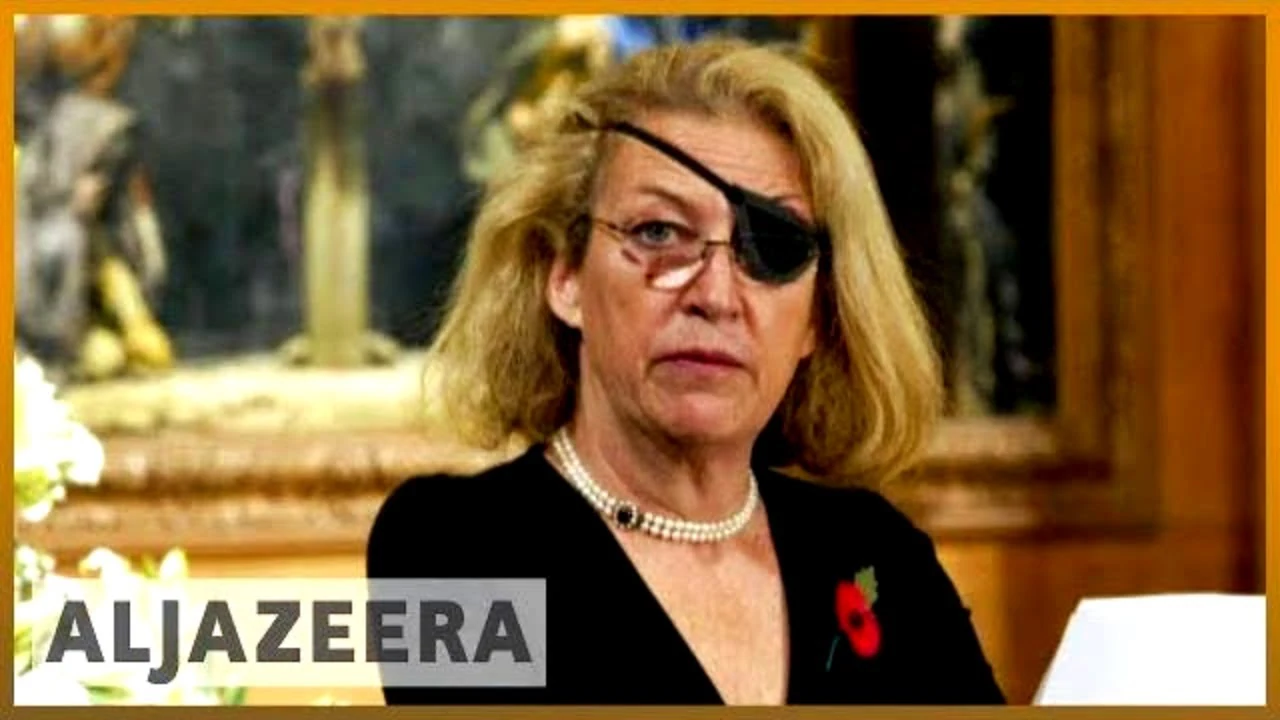
Two years later, while reporting on the civil conflict in Sri Lanka, Colvin was struck by shrapnel and lost the sight of her left eye. The article says she continued her career and wore an eye-patch. It presents this as a significant moment in her working life, without specifying how the injury affected later assignments. Keeping to those details avoids turning a serious injury into a simplified story of personal symbolism.
Homs and the record of her work
Colvin was killed in Homs in February 2012 while covering the Syrian civil war. The supplied article attributes her death to bombing by Syrian government forces; it provides no further account of the incident. Her final dispatches are described there as reporting on civilian suffering, although the dispatches themselves are not included. What the source establishes is that her final assignment, like much of her career, involved reporting from a conflict zone.
The article also records two later forms of remembrance. The biographical film A Private War was released in 2018, and the Marie Colvin Journalists’ Network was established to support female journalists working in conflict zones. The supplied material gives no detail about the network’s work or the film’s reception, so their wider effects cannot be assessed here. It also attributes to Colvin a question about whether the risk of an assignment is worth the story, and about the difference between bravery and bravado. Without context for the quotation, it is best read as a reported reflection rather than a complete statement of her views.
Why Marie Colvin deserves a place in British Legacy
Colvin’s British connection was professional: she worked as a correspondent for The Sunday Times, with the supplied account dating the start of that career to 1985. She was born in the United States, and her place in British Legacy should be explained through that newspaper connection rather than through an invented claim of British birth or identity. Her reporting carried accounts from conflict zones to readers of a British publication, with the article emphasising her attention to civilians caught in the fighting.
The East Timor episode gives that contribution a particular human dimension. The source credits Colvin with helping women and children escape a besieged compound while she reported from there; in Sri Lanka, she suffered a grave injury and continued her career. These details do not make danger an achievement in itself. They show the conditions under which this work was done and the civilian experiences the supplied account says she sought to report. Remembering Colvin in British Legacy recognises a correspondent whose career formed part of British journalism while keeping the focus on the specific evidence available: her newspaper, her assignments and her reporting from places where civilians faced the consequences of war.