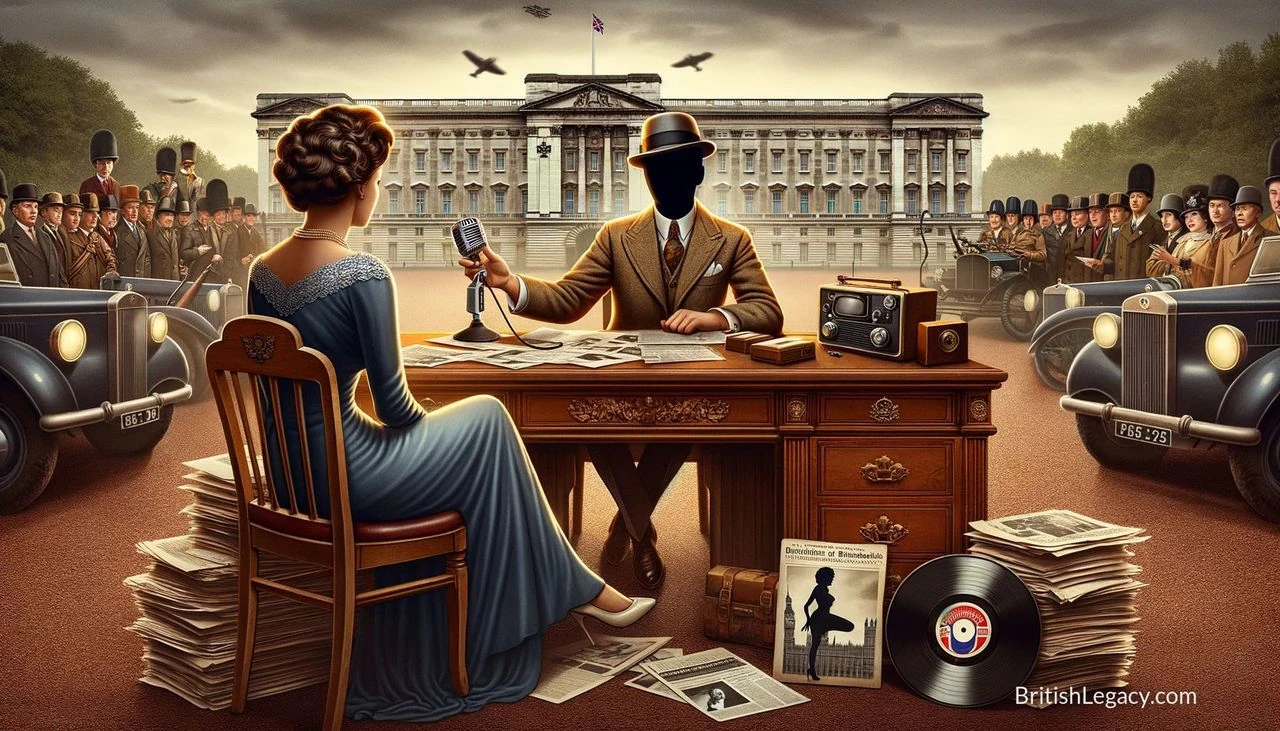
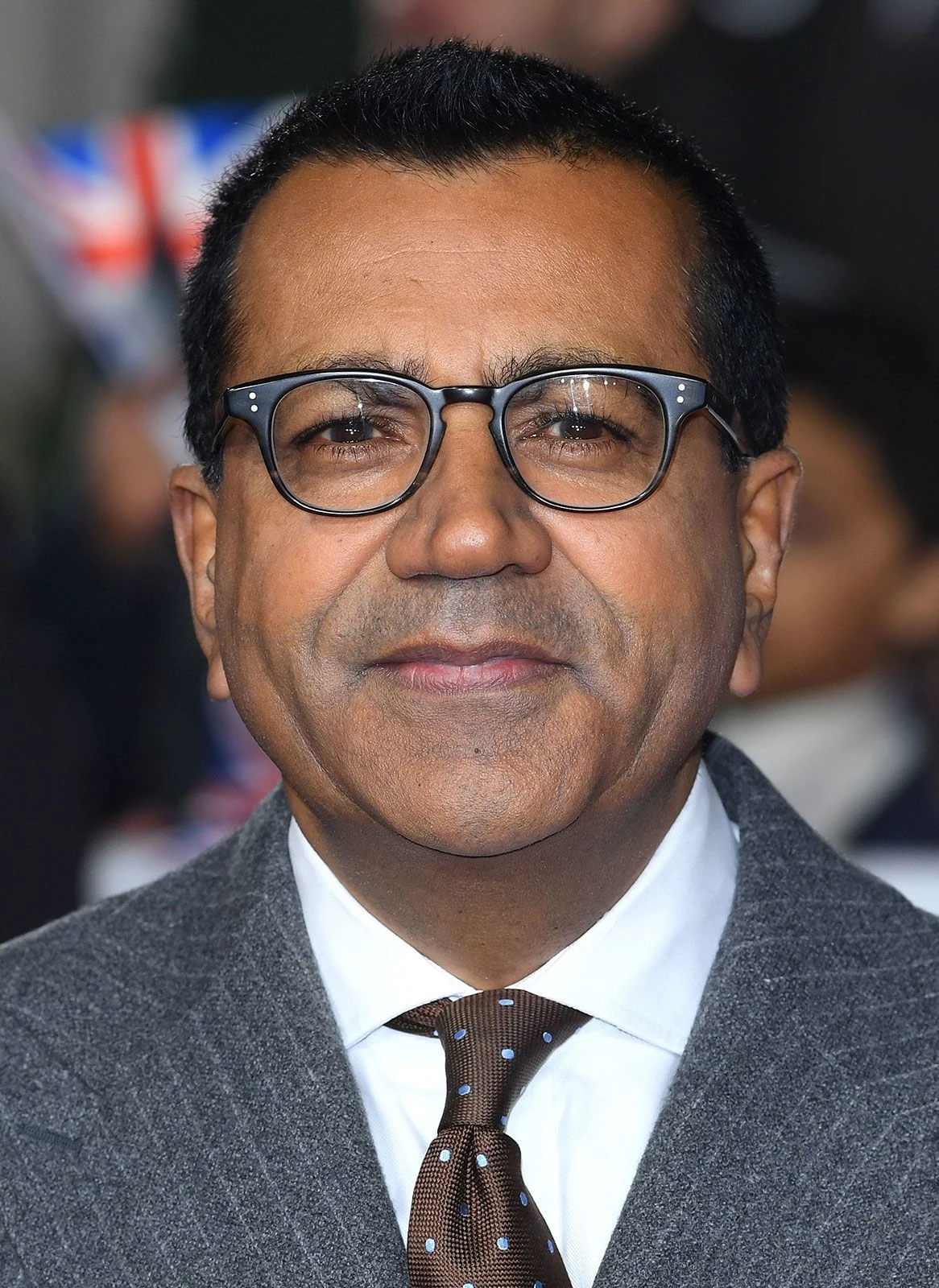
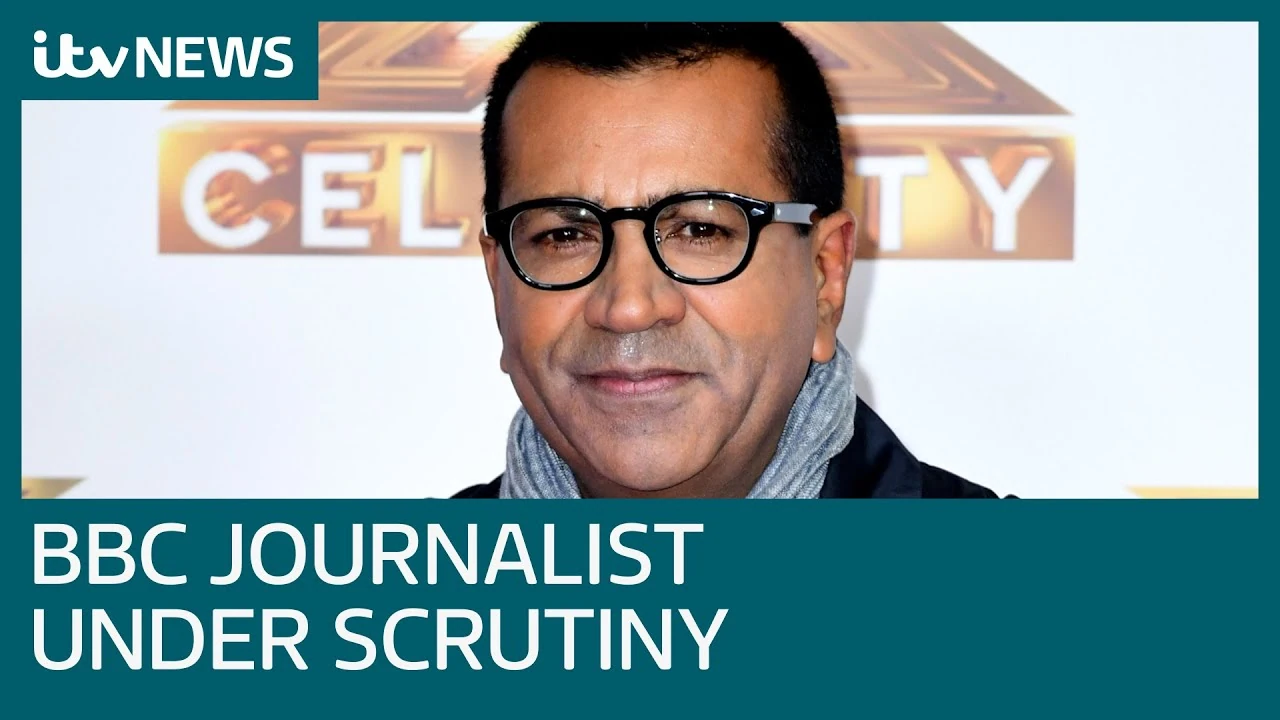
Martin Bashir’s 1995 interview with Diana, Princess of Wales, became one of the defining broadcasts of his career. Nearly 23 million people in the UK watched it, and its revelations about the breakdown of Diana’s marriage made the programme an international event. But the route to the interview was later found to involve forged documents and serious breaches of BBC editorial rules. Bashir’s story is therefore not simply one of exceptional access: it is also a record of how an institution investigated, and eventually reassessed, the methods used to secure it.
From local reporting to Panorama
Born in London on 19 January 1963, Bashir studied English and History at King Alfred’s College of Higher Education in Winchester from 1982 to 1985. He later completed a master’s degree in theology at King’s College London. Before joining the BBC, he worked as a freelance sports journalist. His BBC career began in 1986, and included work on Songs of Praise, Public Eye and Panorama.
In 1995, he interviewed Diana for Panorama about her failed marriage to the Prince of Wales. The programme was widely praised at the time and brought Bashir, then a relatively little-known reporter, sudden international recognition. The interview’s most famous line—“There were three of us in this marriage, so it was a bit crowded”—captured the frankness that made the broadcast memorable. Its reach and impact, however, cannot be separated from the later findings about how the interview came about.
In 1999, Bashir left the BBC for ITV, where he worked on documentary programmes and features for Tonight with Trevor McDonald. His career continued to move between broadcasters and countries, but the Diana interview remained the work most closely associated with his name.
The Diana interview and the Dyson inquiry
In 1996, reports emerged that Bashir had used falsified bank statements in his approach to Diana’s brother, Charles Spencer, 9th Earl Spencer. The documents suggested that people close to the family were being paid for information. BBC graphic designer Matt Wiessler later said that he had created the statements at Bashir’s request, believing they were for filming props. The reporting raised questions about whether the documents had helped Bashir gain the Spencer family’s trust and access to Diana.
The BBC’s initial internal investigation, led by news chief Tony Hall, cleared Bashir. It did not interview either Wiessler or Spencer. In 2020, an ITV documentary brought renewed attention to the case, and BBC director-general Tim Davie apologised to Spencer. Spencer rejected the apology and called for an independent inquiry. The BBC commissioned one, led by former Supreme Court judge Lord Dyson.
Published in 2021, the Dyson inquiry concluded that Bashir had commissioned false bank statements to deceive Spencer and gain access to Diana. It found that he had acted inappropriately and seriously breached the BBC’s 1993 Producers’ Guidelines on straight dealing. The report described him as unreliable, devious and dishonest. The BBC said Bashir had co-operated with the inquiry. In May 2021, after its findings, the BBC rescinded the BAFTA award he had received for the Diana interview. The Metropolitan Police announced that it would not launch a criminal investigation.
The consequences extended beyond Bashir and the corporation. In 2022, the BBC apologised in the High Court to Diana’s former nanny over unfounded claims that she had had an affair with the Prince of Wales, and agreed to pay damages. The case showed how claims made in the pursuit of a major interview could affect other people, and why editorial scrutiny must address not only what a programme broadcasts but how its material is obtained.
ITV, America and the Michael Jackson documentary
In 2003, while at ITV, Bashir made Living with Michael Jackson as part of Tonight with Trevor McDonald. He followed the singer over eight months. The programme reached a large audience, including 14 million viewers in the UK and 38 million in the United States. Jackson complained to broadcasting regulators, accusing Bashir of yellow journalism, and released a rebuttal interview with his own cameraman. The two accounts gave viewers sharply different interpretations of the documentary and its portrayal of Jackson’s life.
Bashir’s other reporting included Major Fraud, a documentary about British Army major Charles Ingram’s attempt to cheat on Who Wants to Be a Millionaire?, and a 2004 interview with BALCO founder Victor Conte for ABC’s 20/20. He also interviewed figures including Louise Woodward, the five suspects in the Stephen Lawrence case, Michael Barrymore, Jeffrey Archer, Joanne Lees and George Best.
In 2004, Bashir moved to New York to work for ABC. He co-anchored Nightline and later became a political commentator for MSNBC, where he hosted his own programme and worked as a correspondent for NBC’s Dateline. His American career also included public disputes over editorial judgement and conduct. In 2013, he apologised for remarks about Sarah Palin and resigned from MSNBC. He returned to the BBC in 2016 as religious affairs correspondent, leaving in May 2021 after a period of ill health and shortly before publication of the Dyson report.
Recognition and reassessment
The Diana interview brought substantial professional recognition. Bashir and producer Mike Robinson received the BAFTA Award for Best Talk Show in 1996. Bashir also received awards from the Television and Radio Industries Club, the Broadcasting Press Guild and the Royal Television Society for his work on the interview. The BBC’s decision to rescind the BAFTA after the Dyson inquiry’s findings is part of the same history: the broadcast was honoured for its impact, then the conduct that secured it was formally condemned.
His career also included work outside journalism. Bashir played himself in the 2001 satire Mike Bassett: England Manager, plays bass guitar and released a reggae album, Bass Lion, in 2010. Those details sit alongside, rather than resolve, the central tension in his public record: a reporter capable of securing high-profile interviews whose methods became the subject of a consequential inquiry.
Why Martin Bashir deserves a place in British Legacy
Bashir belongs in a British account of journalism because his career is bound to two important parts of the BBC’s public history: the power of Panorama to command a national audience, and the responsibility that comes with that reach. The 1995 Diana interview became a landmark broadcast, watched by nearly 23 million people in the UK and widely discussed beyond it. Its scale demonstrated how television journalism could bring a royal figure’s account of private and institutional pressures into public conversation. The honours initially awarded for the programme also show how strongly its perceived journalistic achievement was recognised.
Yet a legacy feature must include the later evidence, not preserve the original acclaim in isolation. The Dyson inquiry found that forged documents had been used to deceive Charles Spencer and that Bashir had seriously breached BBC guidelines. The BBC’s earlier investigation, which cleared him without interviewing key people, became part of the story too; its later apology and reversal of the award marked a public reckoning with failures of scrutiny. Bashir’s place in British Legacy is therefore not an uncomplicated tribute. It is a specific account of broadcast influence, institutional responsibility and the damage that unethical methods can cause. Remembering both the interview’s impact and the findings about its provenance helps make the history of British journalism more accurate and more useful to the public.
Sources
Adapted in part from Martin Bashir by Wikipedia contributors, under CC BY-SA 4.0. Text has been edited and combined with the existing article; this adapted text is shared under the same licence. Contributor history.