
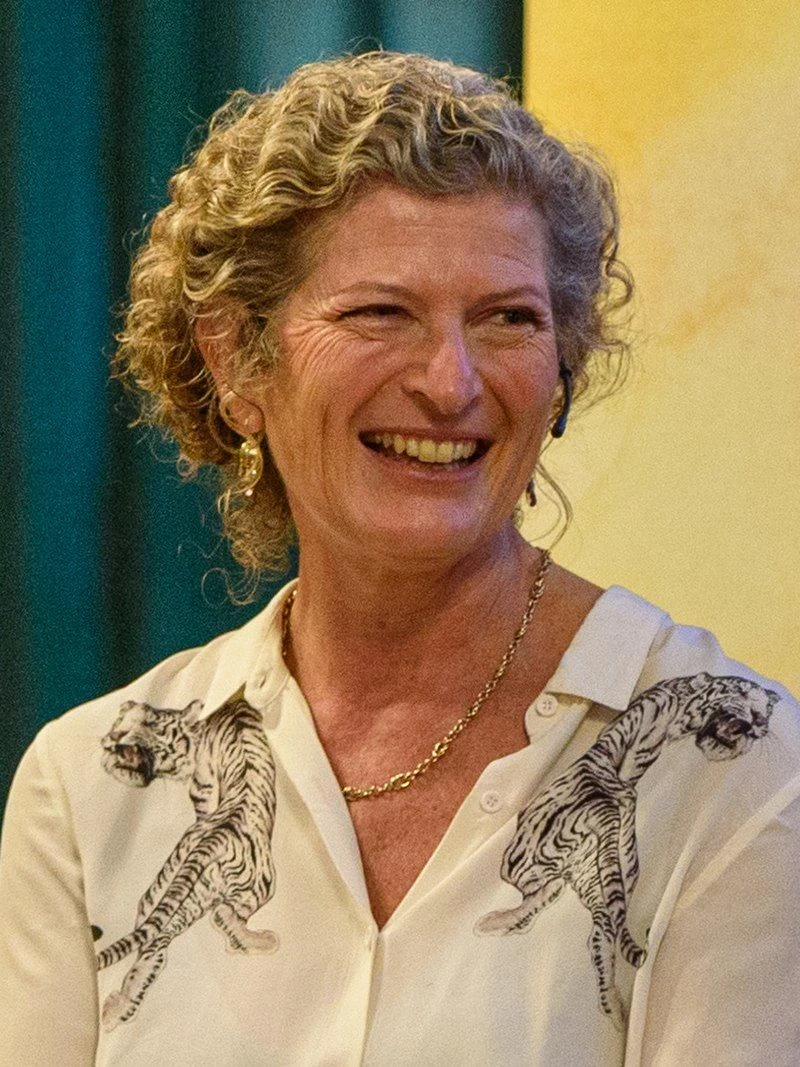
Mary Ann Sieghart’s career has moved between the newsroom, the airwaves and questions of who gets heard. She has worked as a financial and political journalist, held senior editorial roles at The Times, written for The Independent and presented programmes for BBC Radio 4 and the BBC World Service. Her book The Authority Gap brought a continuing concern with gender and credibility into a wider public discussion.
Oxford and an early start in newspapers
Born in Hammersmith, London, in 1961, Sieghart studied philosophy, politics and economics at Wadham College, Oxford, graduating with a first-class degree in 1982. She had won a scholarship to the college at 16. While at Oxford, she spent the 1980 summer vacation at The Daily Telegraph, working in sub-editing, features and the paper’s “Peterborough” column. She returned during subsequent vacations and also wrote some leaders.
After graduating, she joined the Financial Times, first as Eurobond Correspondent and then as a Lex columnist. In 1984 she spent a summer at The Washington Post as a Laurence Stern Fellow. The next move took her to the launch of Today newspaper in 1986, where she became City Editor. When the paper was taken over by Tiny Rowland, she moved to The Economist as Political Correspondent. She also presented The World This Week on Channel 4.
These posts gave her experience across financial reporting, political journalism and broadcasting before she took on a prominent editorial role. They also form a more specific account of her beginnings than the broad claim that she entered journalism during a period of change: her early career involved a succession of distinct news organisations and specialisms.
Editorial leadership and a portfolio career
Sieghart joined The Times in 1988 as editor of its comment pages. During her time there she also served as Arts Editor and chief political leader-writer, and acted as the paper’s editor on Mondays. In 1995, she chaired the revival of The Brains Trust on BBC2, adding a television role to her newspaper work.
In 2003, Bill Hagerty, then editor of the British Journalism Review, called her “very talented” while criticising her assumption that broadsheet journalism was inherently better or more effective than tabloid journalism. The published criticism offers a useful qualification to any uncomplicated portrait of her as a voice of consensus: Sieghart’s career also sits within debates about the forms and standards of journalism.
She left The Times in 2007 to pursue a portfolio career. From 2010 to 2012, she wrote the main opinion column in The Independent on Mondays. That weekly political column continued her newspaper commentary, while her other work increasingly crossed between media, public institutions and discussion of social issues.
Radio, public discussion and The Authority Gap
On radio, Sieghart has presented a range of programmes, including Newshour on the BBC World Service from 2008 to 2010, and BBC Radio 4’s Analysis, Fallout, Profile, One to One and Beyond Westminster. She has also been an occasional presenter of Start the Week and appeared on programmes including Question Time, Any Questions, Newsnight, Today, The World Tonight and Woman’s Hour. This work has placed her in formats ranging from interviews and current-affairs discussion to longer-form analysis.
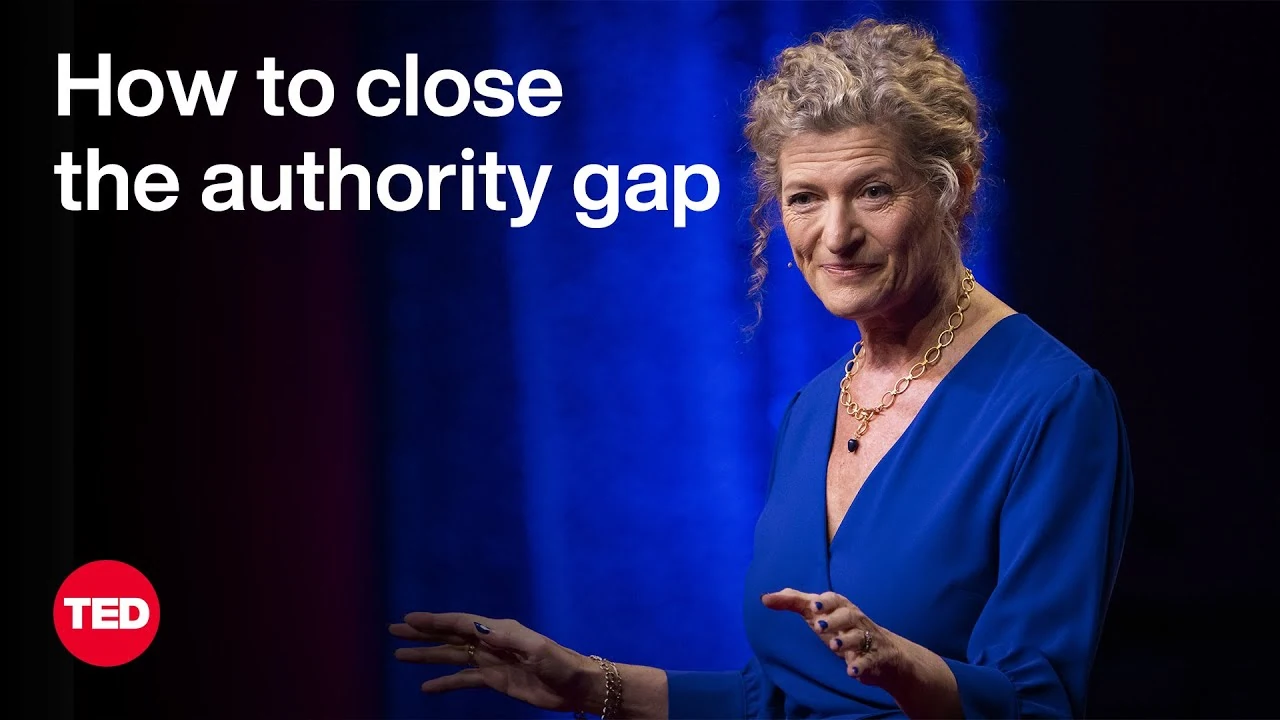
Her book The Authority Gap: Why Women Are Still Taken Less Seriously Than Men, and What We Can Do About It was published by Transworld/Doubleday in July 2021. Sieghart researched the subject during a visiting fellowship at All Souls College, Oxford, in the 2018–19 academic year. She later established The Authority Gap Consultancy, which works with organisations seeking to narrow or close authority gaps. In 2018, she was named among the Female FTSE 100 Women to Watch.
Alongside this work, she has held roles in education, media oversight and the charitable and cultural sectors. She is a visiting professor at King’s College London and has chaired the Social Market Foundation, an independent think tank, from 2010 to 2020. Other positions have included membership of Ofcom’s Content Board, service on the Tate Modern Council and a non-executive directorship at Guardian Media Group. She chaired the judges of the Women’s Prize for Fiction in 2022 and has served as a trustee of the Esmée Fairbairn Foundation and the Kennedy Memorial Trust.
Why Mary Ann Sieghart deserves a place in British Legacy
Mary Ann Sieghart’s place in British Legacy rests on a career that connects several influential parts of the country’s public conversation. At newspapers including the Financial Times, The Economist and The Times, she worked in financial and political journalism and took responsibility for comment, arts and leader writing. Her move into radio and television extended that work beyond the printed page: as a presenter and regular contributor, she has taken part in programmes that explain, question and debate public affairs for audiences across the UK and beyond.
Her contribution also includes sustained attention to how authority is distributed. In The Authority Gap and through the consultancy that followed it, she has focused on why women may be taken less seriously and on what organisations can do in response. That work gives a recognisable thread to a career otherwise spread across journalism, broadcasting, governance and education. Her roles at King’s College London, Ofcom, the Guardian Media Group and cultural and charitable organisations show how a journalist’s experience can carry into institutions that shape public communication and civic life. Taken together, these achievements make her British connection concrete: Sieghart has helped produce, present and scrutinise the journalism and public debate through which people in Britain encounter current affairs and social questions.
Sources
Mary Ann Sieghart — Wikipedia revision
Adapted in part from Mary Ann Sieghart by Wikipedia contributors, under CC BY-SA 4.0. Text has been edited and combined with the existing article; this adapted text is shared under the same licence. Contributor history.

_(cropped).jpg)