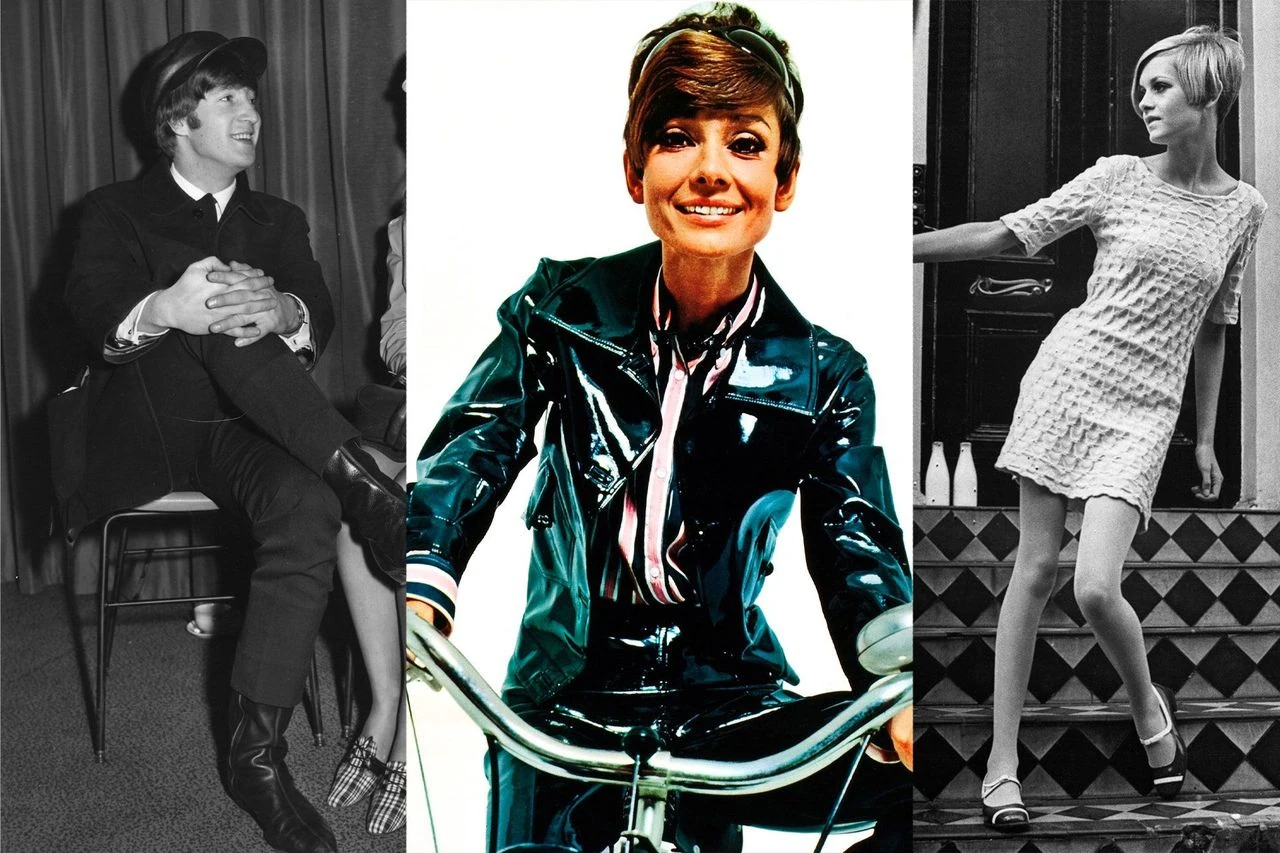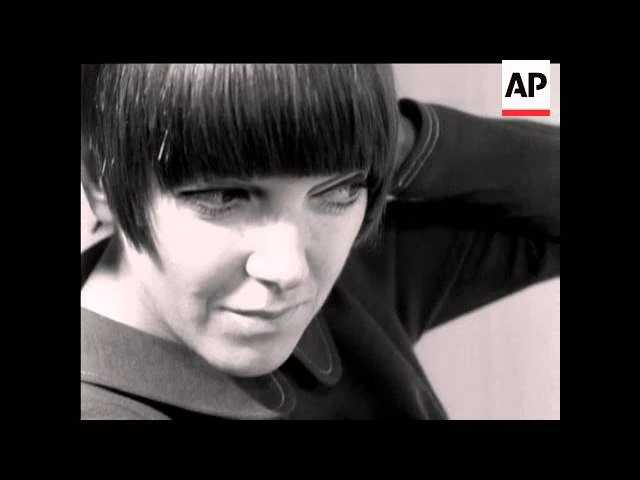
Mary Quant helped turn the changing habits of young Londoners into a new fashion language: short skirts, vivid colour and clothes designed for movement. Her King’s Road boutique, Bazaar, made the shopping experience part of the appeal, while her designs helped carry the look of 1960s London beyond Britain. The miniskirt became her most enduring association, though its invention is disputed. Quant herself said customers helped decide how short it should be.
From Woolwich to the King’s Road
Barbara Mary Quant was born in Woolwich, London, on 11 February 1930. Her parents, who came from Welsh mining families, were schoolteachers. She attended Blackheath High School and studied illustration and art education at Goldsmiths, University of London, graduating in 1953. Although she had wanted to study fashion, her parents dissuaded her from that course. After college she became an apprentice to Mayfair milliner Erik Braagaard.
In 1953 she met Alexander Plunket Greene, who became her husband and business partner, and photographer Archie McNair. The three joined forces to establish a boutique on the King’s Road. They bought Markham House for £8,000; while the premises were being renovated, Quant found wholesale suppliers and earned £5 a week. Bazaar opened in 1955. At first it sold clothes sourced from wholesalers, but Quant’s bolder choices attracted press attention, and an American manufacturer bought some of her dress designs. She began designing clothes herself and, as demand grew, employed machinists; by 1966 her work involved 18 manufacturers.
Bazaar offered something different from department stores and exclusive designer shops. Music, drinks and long opening hours made it a place for young customers to spend time, not simply buy clothes. Its striking window displays, with models in unusual poses, drew passers-by into the shop. Quant later recalled that the original merchandise had almost all sold within ten days. The boutique helped establish the relationship between her designs and the young people who wore them: customers were not just an audience for fashion, but participants in its development.
Who made the miniskirt?
Quant is closely associated with the miniskirt and was one of the designers who took credit for the style. But no single inventor is firmly established in the supplied account. Fashion journalist Marit Allen credited fellow British designer John Bates, while others have named André Courrèges. Quant offered a different emphasis: skirts were already shortening, and she said girls on the King’s Road wanted hers shorter still. She designed easy, youthful clothes, she explained, and made them to the length customers requested.
Quant said she named the miniskirt after her favourite car, the Mini. She also described its practical appeal: short skirts allowed women to move freely, run and jump. That account does not erase the garment’s associations with changing ideas about femininity, sexuality and youth, but it grounds its development in everyday wear as well as cultural symbolism. The model Twiggy helped popularise the miniskirt abroad.
Quant’s influence extended beyond hemlines. Her original clothes came in vivid colours and patterns, and colourful tights became part of the look. She is often credited with inventing coloured and patterned tights, but that claim is also disputed: the supplied account attributes similar designs to other fashion figures, including Cristóbal Balenciaga and John Bates, and to art student Jenny Elphinstone. Hot pants followed the miniskirt’s short proportions in the late 1960s. Quant’s playful shift dresses, colourful tights and accessible use of materials such as PVC and cotton helped make fashion feel less formal and more responsive to the preferences of its wearers.
A label beyond clothes
Quant’s work moved into other areas of design. In 1967 she created berets in 12 colours for British headwear company Kangol. The berets carried her daisy logo, and examples are held in the Victoria and Albert Museum’s collection. During the 1970s and 1980s she concentrated increasingly on household goods and make-up as well as clothing. She claimed to have invented the duvet, a claim recorded in the supplied biographical account rather than established there as an independent fact.
In 1988 Quant designed the interior of a special Mini 1000 edition. Its black-and-white striped seats had red trim and seatbelts; her signature appeared on the seats, and her daisy on the steering wheel. The car was released in the United Kingdom on 15 June, in jet black and diamond white. In 2000, after a Japanese buy-out of her cosmetics company, she resigned as a director of Mary Quant Ltd. More than 200 Mary Quant Colour shops were reported in Japan.
Her business and designs also travelled internationally. The label’s profile grew through magazine coverage and the overseas sale of designs, while the distinctive style of Bazaar offered an alternative to the formal retail settings that had dominated fashion shopping. Quant’s success was not simply a matter of making individual garments: she helped connect design, retail, branding and a younger customer. That combination gave her work a reach beyond the people who visited one London shop.
Recognition and later life
Quant received the Dress of the Year award in 1963, the first person to win it. In 1966 she was appointed an Officer of the Order of the British Empire for services to fashion. She received the British Fashion Council’s Hall of Fame Award in 1990, and was made a Dame Commander of the Order of the British Empire in the 2015 New Year Honours for services to British fashion. In the 2023 New Year Honours she was appointed a Member of the Order of the Companions of Honour for services to fashion. She was also a fellow of the Chartered Society of Designers and received its Minerva Medal.
Her recognition included an honorary doctorate from Heriot-Watt University in 2006. In 2009, a miniskirt designed by Quant appeared on a Royal Mail stamp in its British Design Classics issue. In 2012, she was among the British cultural figures selected by Peter Blake for a new version of the artwork associated with the Beatles’ Sgt. Pepper’s Lonely Hearts Club Band album cover. The Victoria and Albert Museum’s 2019 exhibition brought her work before a new generation of visitors.
Quant and Plunket Greene married in 1957 and had a son. Their marriage lasted until his death in 1990. Quant died at home in Surrey on 13 April 2023, aged 93.
Why Mary Quant deserves a place in British Legacy
Mary Quant deserves a place in British Legacy because she helped make British fashion more closely answerable to the lives and tastes of young people. Bazaar was not just a shop selling new clothes: its music, long hours and arresting displays created a different kind of retail experience. Quant’s designs, in turn, challenged the idea that fashion had to be formal, expensive or dictated from above. Her account of the miniskirt’s development gives customers a role in that history: they asked for shorter lengths, and she made clothes in which they could move. The disputed question of who invented the miniskirt makes the story more accurate, not less significant. Quant’s place rests on her part in shaping and popularising a style, rather than on an uncontested claim to have originated it.
Her British legacy also lies in the breadth of her design career. From clothes and colourful tights to Kangol berets, cosmetics, household goods and the interior of a Mini, she carried a recognisable design identity into different parts of everyday life. Her work reached beyond London through international sales and later through the Japanese cosmetics business; at home, museum collections, the 2019 Victoria and Albert Museum exhibition and the Royal Mail stamp have helped preserve its history. The honours she received recognise a career that made fashion an important part of Britain’s cultural reputation. Quant’s example remains useful because it joins design to the customer, the shop and the wider culture that gives clothes meaning.
Sources
Mary Quant — Wikipedia, revision 1377058364
Adapted in part from Mary Quant by Wikipedia contributors, under CC BY-SA 4.0. Text has been edited and combined with the existing article; this adapted text is shared under the same licence. Contributor history.