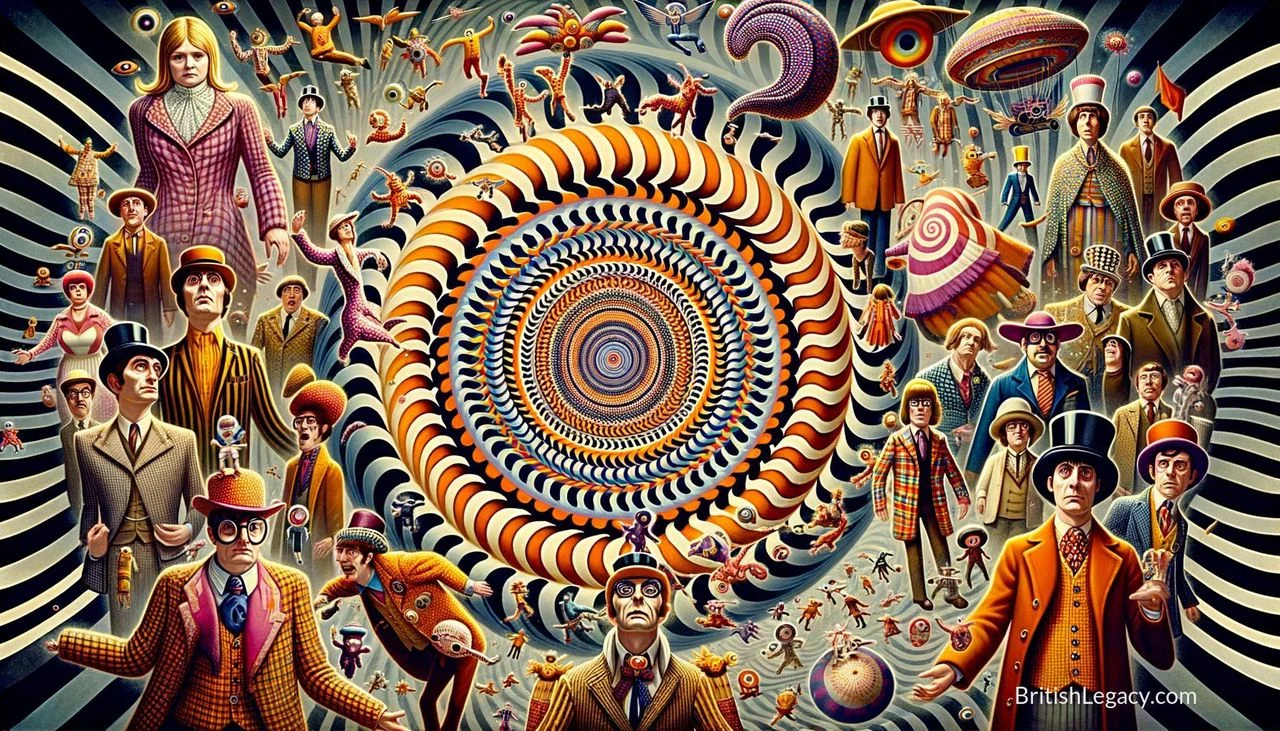
Monty Python's Flying Circus: A Pillar of British Comedy Legacy
Monty Python's Flying Circus remains an unparalleled beacon of British humour, revered for its innovative, surreal, and often absurd comedic brilliance. First aired on the BBC in October 1969, the series swiftly carved its way into the annals of television history, leaving an indelible mark on the cultural and comedic landscape of the United Kingdom and beyond.
Origins and Creation
The mastermind ensemble behind Monty Python's Flying Circus comprised six extraordinarily talented individuals: Graham Chapman, John Cleese, Terry Gilliam, Eric Idle, Terry Jones, and Michael Palin. The group's genesis was serendipitous, thanks to shared creative experiences within earlier television programmes such as "The Frost Report" and "Do Not Adjust Your Set". Their collaborative synergy birthed a distinctive comedic voice, one that would stand out for its avant-garde approach.
The Unique Style
Monty Python's Flying Circus defied conventional comedy frameworks, embracing a free-form structure where sketches often eschewed punchlines and interlinked through whimsical animations by Terry Gilliam. The show's stylistic hallmark was its embrace of the absurd, with surreal scenarios, bizarre characters, and non-sequiturs becoming its signature. This abstract humour set it apart, challenging the comedic norms of the time and, consequently, engaging viewers in a refreshingly unpredictable viewing experience.
Notable Sketches and Impact
Several sketches from Monty Python's Flying Circus have achieved iconic status, remaining timeless in their hilarity and quotability. Classics such as "The Dead Parrot Sketch," "The Lumberjack Song," "The Ministry of Silly Walks," and "The Argument Clinic" continue to be celebrated, quoted, and referenced in popular culture. These sketches showcased the ensemble's wit, versatility, and willingness to push the boundaries of satire and absurdity.
The show's impact stretched far beyond its initial airing, influencing multiple generations of comedians and writers. Monty Python's unique brand of humour permeated and reshaped the landscape of sketch comedy, inspiring subsequent shows like Saturday Night Live in the United States and The Fast Show in the United Kingdom.
Cultural and Historical Importance
Monty Python's Flying Circus holds a special place in British heritage. The programme not only entertained but also provided a satirical commentary on British society, politics, and cultural norms of its time. This sharp, often irreverent critique of the establishment resonated deeply with viewers, adding a layer of intellectual engagement to its comedic fabric.
The success of the show paved the way for the Monty Python group to expand their creative horizons into films, stage productions, and books. Films such as Monty Python and the Holy Grail and Life of Brian further cemented their cultural legacy, becoming cult favourites and critical successes.
Legacy and Continued Relevance
Monty Python's Flying Circus continues to enjoy enduring popularity, its legacy preserved through continual reruns, DVD collections, and streaming services. The series' influence is palpable in contemporary comedy, with the Monty Python ethos of boundary-pushing humour evident in numerous modern comedic works.
In 2014, the surviving members of Monty Python reunited for a series of performances titled "Monty Python Live (Mostly)", reaffirming their place in the hearts of fans worldwide, and proving that their wit and charm remained undiminished by time.
Conclusion
Monty Python's Flying Circus is not merely a television programme; it is a cornerstone of British comedy heritage. With its fearless innovation, timeless sketches, and cultural poignancy, the series stands as a testament to the power of creativity and the profound impact of humour. As an integral part of the British legacy, Monty Python's Flying Circus continues to inspire, entertain, and challenge the conventions of comedy across generations.