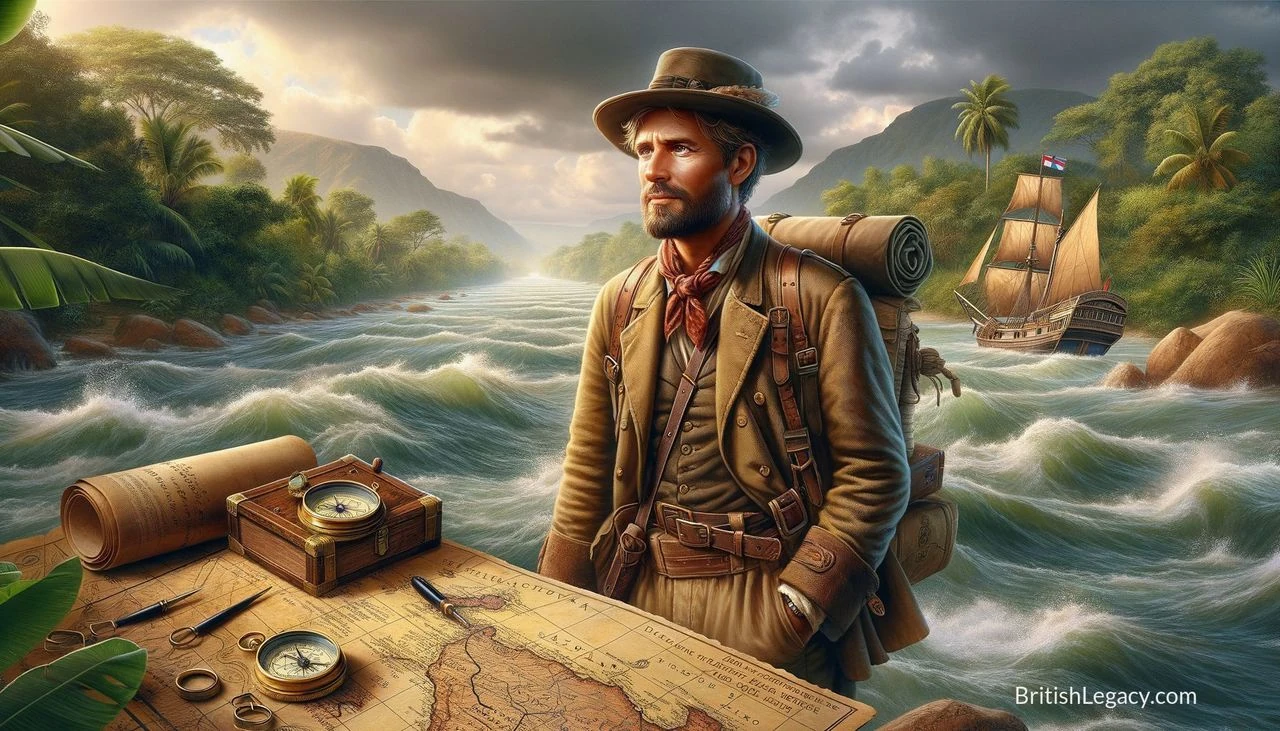
Mungo Park: The Intrepid Explorer Who Traced the Niger River
In the annals of British exploration, the name Mungo Park stands as a beacon of courage, determination, and scientific curiosity. His adventures triumphantly stitched his name into the rich tapestry of British legacy, heritage, and global impact. Park’s expeditions to West Africa, particularly his work in tracing the elusive route of the Niger River, have left an indelible mark on both geographical and historical records.
Setting Sail: The Beginning
Born on 11 September 1771 in Foulshiels, Selkirkshire, Scotland, Mungo Park's early life provided little indication of the immense feats he would accomplish. Despite his humble beginnings, he displayed an innate curiosity about the natural world. This fervour for exploration was nurtured first at Edinburgh University, where he studied medicine and botany, and then by practising medicine in London. However, it was the thrill of the unknown that beckoned him from these shores to uncharted territories.
First African Journey (1795-1797)
At the tender age of 24, Park was commissioned by the Association for Promoting the Discovery of the Interior Parts of Africa, a great institution aimed at exploring the largely unknown African continent. His mission: to discover whether the Niger River flowed eastward towards the Nile or southwards towards the Atlantic. In June 1795, Park landed in the Gambia, equipped with his sense of adventure and scant resources.
Park’s journey was fraught with peril – he faced arrest by native chieftains, threats from wildlife, illness, and inhospitable climates. Nevertheless, his meticulous observations and interactions with local cultures demonstrated his respect and admiration for the people he encountered. Park's journey along the Niger River was groundbreaking; he was the first Westerner to reach the river inland and confirm its flow direction. He travelled as far as Ségou, a town on the riverbank, before returning to the Gambia in 1797, where he boarded a ship back to Britain, bringing with him invaluable data and riveting tales of his travels.
Published Works and Recognition
Upon his return, Park became an instant national hero. His detailed account, "Travels in the Interior Districts of Africa", published in 1799, captured the imagination of an empire captivated by stories of exploration. The narrative provided an unprecedented glimpse into the cultures, geography, and complex networks of trade in West Africa, significantly expanding European knowledge of the region.
Second Voyage and Final Expedition (1805)
Not one to rest on his laurels, Park embarked on a second expedition in 1805, this time backed by the British government. This journey, however, was even more arduous and tragic. Accompanied by a contingent of soldiers and guides, Park aimed to map the entire course of the Niger River down to its mouth. Although he succeeded in navigating much of the river, the journey was plagued by insurmountable challenges – including disease, skirmishes with local populations, and severe food shortages. In early 1806, as his expedition neared Bussa (in present-day Nigeria), it met a disastrous end. Park and his surviving companions drowned in a tragic accident whilst attempting to navigate the treacherous rapids of the Niger.
Legacy and Impact
Mungo Park's fateful expeditions laid a foundation for future exploration and colonisation efforts in Africa. His work was integral in correcting misconceptions about West African geography and in providing a realistic depiction of the diverse cultures and economies in the region. Furthermore, his ventures underscored the values of perseverance, courage, and the relentless pursuit of knowledge that define British exploration heritage.
Park's life and discoveries continue to inspire generations of explorers, geographers, and historians. Memorials and statues dedicated to him in Selkirk and elsewhere stand testament to his enduring legacy. His pioneering spirit carved a pathway for future navigators to continue exploring the fascinating complexities of Africa's vast landscapes.
In conclusion, Mungo Park was more than just an explorer; he was a trailblazer who expanded the frontiers of human knowledge and understanding. His journeys along the Niger River epitomise the British spirit of adventure and curiosity, cementing his place as a pivotal figure in the grand narrative of British legacy and worldwide impact.
This account of Mungo Park, written in an engaging yet formal story-telling manner, aims to both inform and inspire readers about one of Britain's most adventurous and impactful explorers.