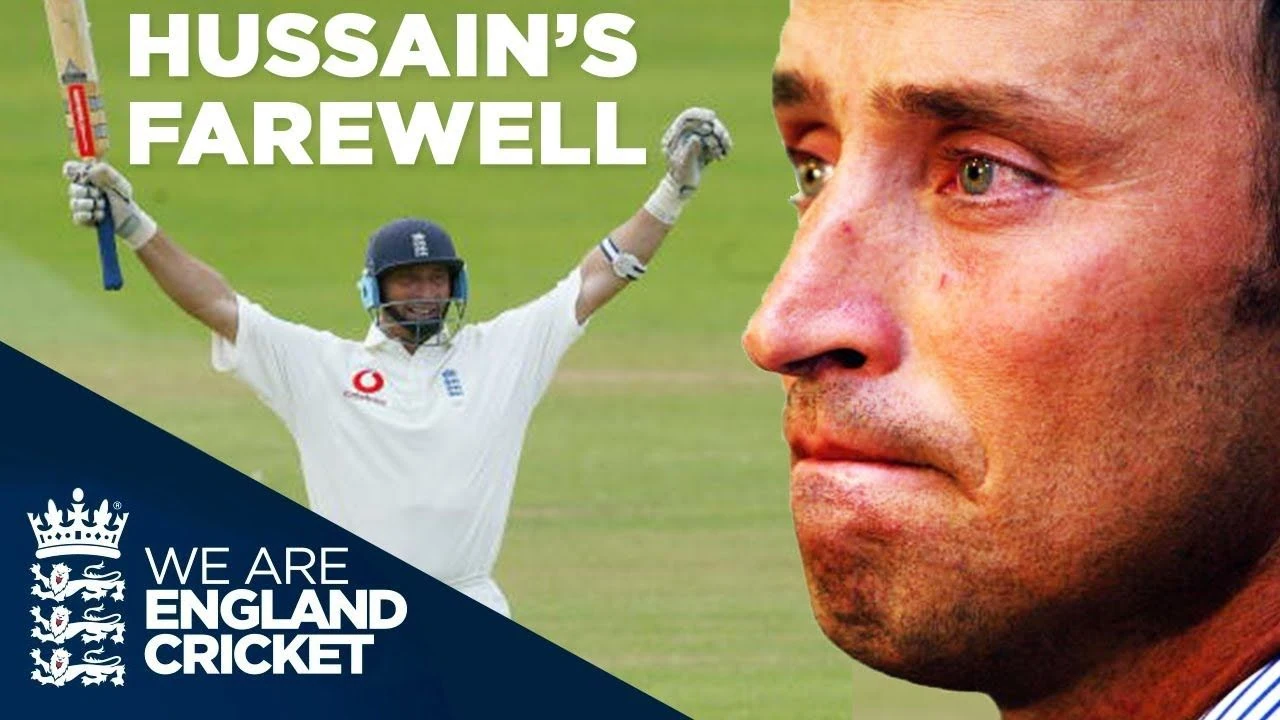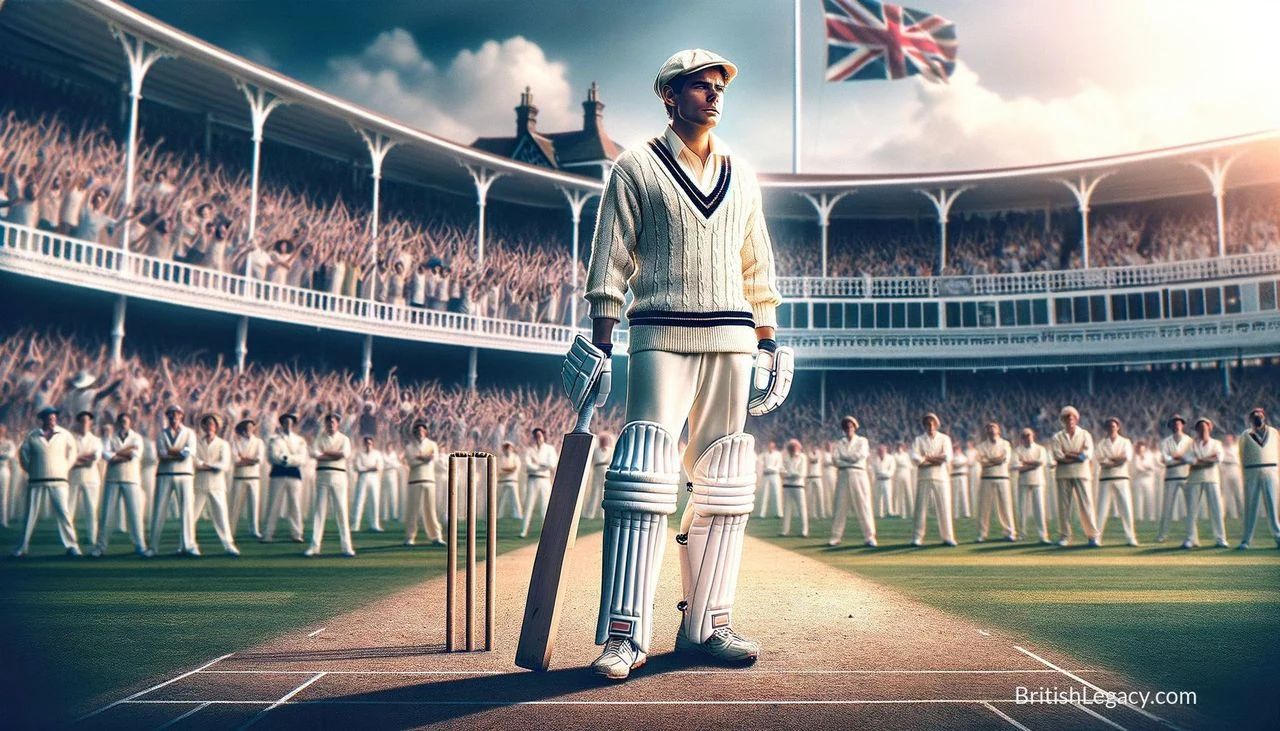
Nasser Hussain’s England career was built on more than a reputation for resilience. A top-order batter who had once been a promising leg-spin bowler, he became a central figure in English cricket’s recovery from a prolonged run of poor results. As captain from 1999 to 2003, he led England to four consecutive Test-series victories and third place in the newly launched ICC Test Championship. His playing career also brought a memorable century in the 2002 NatWest Series final; after retiring, he carried his blunt, analytical voice into the Sky Sports commentary box.
From Madras to Essex
Hussain was born in Madras, India, on 28 March 1968. His father, Joe Hussain, moved the family to England in 1975, and they settled in Ilford. Hussain’s earliest cricket memories came from family visits to Chepauk, where his older brothers batted while he chased the ball. In Essex, he joined the county’s youth teams while still a child: he was selected for Essex Under-11s at eight and became the youngest player to represent Essex Under-15s at 12.
At Forest School in Walthamstow, Hussain developed as a leg-spin bowler and played for England Schools. A sudden growth spurt at 15 altered his bowling, however, and he switched his attention towards batting. He moved himself up the order for Essex under-16s and scored 1,000 runs in a Forest season, the first under-16 pupil there to reach that mark since 1901. He later studied Natural Sciences at the University of Durham, graduating in 1989.
Hussain joined Essex in 1987. His selection for England followed a strong 1989 County Championship season, in which he scored 990 runs. He made his Test debut against the West Indies in February 1990, but did not immediately secure a regular place. After a further opportunity in the 1993 Ashes, he again spent several years out of the Test side. His return came against India in 1996: batting at number three, he scored 128 in the first Test and made another century later in the series, earning the player-of-the-series award.
A captaincy built through results
Hussain took over as England’s Test captain from Alec Stewart in July 1999. His first home series as captain, against New Zealand, began in an uncomfortable atmosphere: supporters booed the team on the pavilion balcony. England’s fortunes improved. In 2000, his side beat the West Indies 3–1 at home, then won away series in Pakistan and Sri Lanka. Four consecutive Test-series victories took England from ninth in the early world-championship table to third in the ICC Test Championship when it was launched.
Hussain captained England in 45 Tests, winning 17, and was associated with a more assertive approach after years of disappointing results. His partnership with coach Duncan Fletcher helped make England more competitive. The captaincy also demanded difficult decisions away from the boundary. At the 2003 Cricket World Cup, England boycotted its match against Zimbabwe in Harare, citing security concerns. Hussain later wrote that the decision and its responsibility had kept him awake at night. After the tournament he gave up the one-day captaincy; later that year he resigned as Test captain, with Michael Vaughan succeeding him.
He continued playing Tests. In the first Test of the 1997 Ashes at Edgbaston, he made his highest score, 207. His final Test came at Lord’s against New Zealand in May 2004: he scored 34 and an unbeaten 103, hitting the winning runs. Across 96 Tests, he made 5,764 runs, including 14 centuries, and took 67 catches. He also played 88 One Day Internationals for England.
One innings, then a new role
Hussain’s highest one-day international score came in the 2002 NatWest Series final against India. England were chasing 326, and Hussain made 115 in a partnership of 185 with Marcus Trescothick, who scored 109. India completed the chase with three balls to spare, so the century did not bring England victory. Hussain’s celebration, pointing to the number three on his shirt and raising three fingers towards the media box, answered press criticism of his place in the side as well as marking the achievement.
He retired from international cricket in 2004, shortly after playing his last Test, and joined Sky Sports as a full-time commentator. His career on screen has made analysis and argument a second public role: he brings the perspective of a former captain, while remaining direct in his judgements. In 2004 he published Playing with Fire, an autobiography that won the Best Autobiography category at the 2005 British Sports Book Awards. He received an OBE for services to cricket in the 2002 New Year Honours and was made an honorary life member of the Marylebone Cricket Club in 2005.
Why Nasser Hussain deserves a place in British Legacy
Hussain’s place in British sporting history rests on achievements that can be stated plainly. He made the England side after years in Essex county cricket, recovered from an uncertain start to his international career and became captain at a time when the team’s results were poor. Under his leadership, England won four consecutive Test series and climbed to third in the ICC Test Championship. Those results do not make him solely responsible for every later success, but they mark a significant change in the team’s competitiveness during his captaincy.
His story also reflects the movement that has shaped modern British life: born in Madras, raised in Essex, and formed as a cricketer through local schools and county cricket before representing England. That connection is specific, not a claim that birthplace alone defines national belonging. The way he adapted from leg-spin to batting, then took on a demanding leadership role, gives his career its particular character. After playing, he remained part of the sport’s public life as a commentator, explaining tactics and holding players and teams to account. Hussain’s contribution therefore reaches beyond his scorebook: it includes a period of improved England results and a continuing role in how cricket is discussed and understood in Britain.
Sources
Adapted in part from Nasser Hussain by Wikipedia contributors, under CC BY-SA 4.0. Text has been edited and combined with the existing article; this adapted text is shared under the same licence. Contributor history.