In 1963, a rule at the Bristol Omnibus Company barred Black and Asian people from working as bus crews. Paul Stephenson helped turn opposition to that exclusion into a sustained public campaign. After four months of pressure, the company ended the ban in September. The Bristol Bus Boycott made a local employment policy a national issue, and gave Stephenson a central place in the history of civil-rights activism in Britain.
The campaign’s achievement was practical as well as symbolic. It challenged a specific discriminatory practice and secured its removal. Stephenson’s role as its public face helped carry that challenge beyond those directly involved, while the boycott’s national attention put pressure on both the company and the local council. His later work for racial equality extended beyond Bristol, but the boycott remains the clearest account of how his advocacy joined a stated principle to a concrete change.
A hiring rule becomes a public issue
In the early 1960s, racial discrimination in Britain was widespread, particularly in employment. The Bristol Omnibus Company’s exclusion of Black and Asian people from bus-crew jobs made that discrimination visible in a public service. It was not an abstract dispute about fairness: the rule determined who could apply for particular work and who could take part in running a service used by the city.
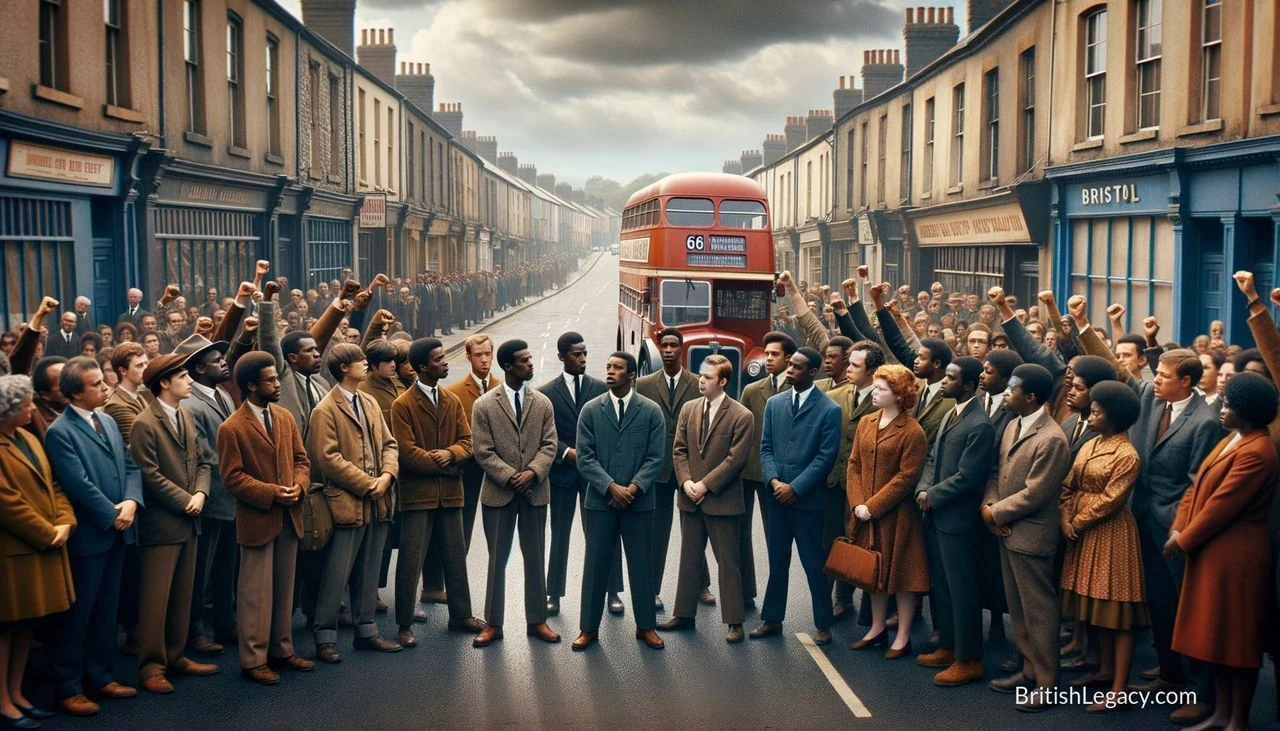
Stephenson and other activists challenged the exclusion through the Bristol Bus Boycott, which began in April 1963. The campaign was modelled on the Montgomery Bus Boycott in the United States. Its British setting mattered: the issue was not discrimination elsewhere, but a practice maintained by an employer in Bristol. The comparison placed the protest in a wider civil-rights tradition without changing the immediate demand—that the company stop excluding applicants on racial grounds.
The boycott made the company’s employment policy harder to treat as an ordinary matter of business. By organising opposition and keeping attention on the ban, the activists presented it as discrimination that required a public answer. The campaign also widened the question beyond the employer itself: would the company and local institutions continue to accept a rule that excluded people from work because of their race?
Stephenson as the campaign’s public face
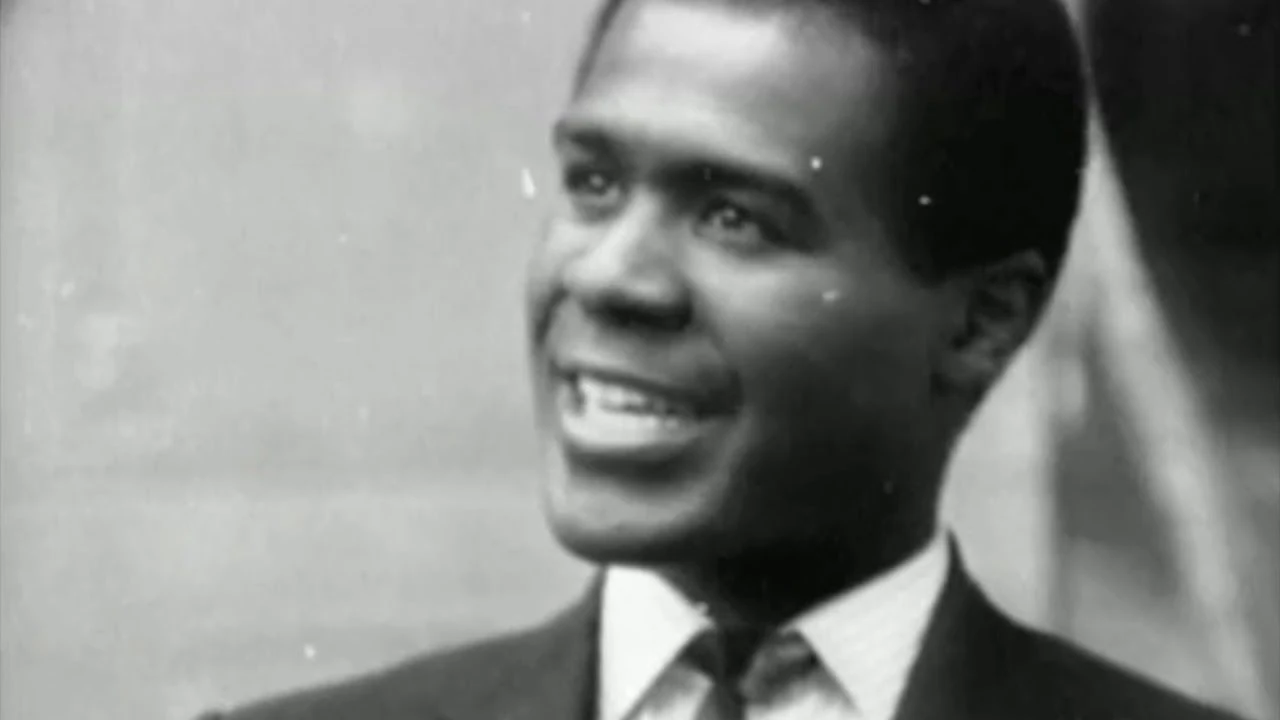
Stephenson’s prominence came from the role he played in making the campaign’s case publicly. The supplied accounts describe him as its public face, and credit his eloquence, determination and strategic thinking with helping to build support. A boycott needs more than opposition to a policy: it needs people willing to explain what is wrong with it, sustain attention and bring others into the effort. Stephenson’s public advocacy helped give the Bristol campaign that reach.
Support came from beyond the immediate group of protesters, including influential organisations and figures. That wider backing mattered because a discriminatory rule is easier to maintain when it is treated as a private dispute or someone else’s concern. In Bristol, the boycott brought the policy into public view and drew national attention. Pressure fell on the Bristol Omnibus Company and on the local council, turning the campaign into a test of whether the exclusion would continue in plain sight.
After four months of sustained campaigning, the company relented. In September 1963 it formally ended its ban on employing Black and Asian bus crews. That outcome gives the boycott its distinctive force in Stephenson’s story: the protest did not end with a statement against racism, but with the removal of the specific employment barrier it had challenged.
What the boycott changed—and demonstrated
The boycott showed that racial discrimination in employment could be confronted directly and publicly, and that organised pressure could secure a change in an employer’s policy. Its result was measurable: the ban was ended. That does not make one campaign a complete answer to racial inequality, but it does explain why Bristol became a significant episode in British civil-rights history. The campaign linked a broad demand for equality to a clear, immediate objective.
It also offered an example of how a local campaign could acquire national significance. The dispute began with a Bristol employer’s treatment of prospective workers. Organised protest, public attention and wider support enlarged its audience, while the focus remained on the discriminatory rule. The boycott made a practice that might have been defended as routine more difficult to ignore or justify.
The original account describes the campaign as setting a precedent and inspiring later generations of activists. Its practical example helps explain that legacy: identify the exclusion, organise against it, keep the issue visible and seek support beyond the people directly affected. The result was not merely a general appeal to good intentions, but a demand for an institution to change its conduct. For Stephenson, the public argument and the employment outcome belong together.
Beyond the boycott
Stephenson’s commitment to racial equality continued after the Bristol campaign. His later work included a role with the Commission for Racial Equality and involvement in community initiatives. The supplied accounts do not set out a full chronology or catalogue of that work, so the clearest supported point is the continuity of his advocacy beyond the boycott.
That continuation puts the 1963 victory in perspective. Ending the bus-crew ban removed one barrier; it did not, by itself, resolve the wider discrimination identified in the accounts of the period. Work within organisations and communities offered another way to pursue racial equality after the campaign’s immediate demand had been met. Stephenson’s story therefore extends from a highly visible protest to a longer commitment, while the available material does not support a more detailed account of the later initiatives.
The principles associated with his activism are justice, equality and the dignity of people regardless of race or background. In Bristol, those principles took a precise form: a demand that a public-service employer stop excluding Black and Asian people from bus-crew work. The campaign’s lasting significance lies partly in that translation from principle to action. It made clear that discrimination embedded in an everyday employment rule could be named, challenged and changed.
Recognition and remembrance
Stephenson’s recognition includes an OBE and a Blue Plaque in Bristol. These honours mark how his activism came to be acknowledged in national and local memory. They are not a substitute for the history of the boycott, nor do they explain the campaign’s outcome on their own. Their significance rests on what they commemorate: a public challenge to a discriminatory practice and the work of a campaign that helped bring it to an end.
The Blue Plaque connects that memory to Bristol, the city where the boycott took place. The OBE places Stephenson’s contribution within wider national recognition. Together, these honours sit alongside the more substantive measure of his public legacy: a company formally ended its ban on employing Black and Asian bus crews after sustained pressure. Remembering why that rule had to be challenged keeps the recognition grounded in the issue that made Stephenson’s activism consequential.
Why Paul Stephenson deserves a place in British Legacy
Paul Stephenson deserves a place in British Legacy because he helped confront racial discrimination where it shaped people’s access to work. The Bristol Omnibus Company’s rule excluded Black and Asian people from bus-crew jobs. By helping lead a boycott against that policy and becoming its public face, Stephenson helped make the exclusion a matter of public concern. The campaign lasted four months and ended with the company formally dropping the ban in September 1963. That is a specific achievement, not simply a symbolic association with the cause of equality.
The boycott also matters because it shows civil-rights activism taking place in Britain, in a city and around an employer’s everyday practice. Its connection to the Montgomery Bus Boycott placed the protest in a wider movement, but the challenge in Bristol was rooted in local conditions. Stephenson’s advocacy helped turn opposition into a campaign that attracted national attention and wider support. In doing so, it made a discriminatory employment rule harder to pass off as normal or beyond public scrutiny.
His later work with the Commission for Racial Equality and in community initiatives indicates that his commitment continued beyond that victory. The supplied accounts do not provide enough detail to trace those activities individually, but they support the broader point that his contribution was not confined to a single campaign. British Legacy can remember Stephenson for the practical result in Bristol and for the example it offers: equality requires people to identify exclusion, organise collectively and press institutions to change. The honours he received matter, but the lasting foundation of his legacy is the work and the change they recognise.