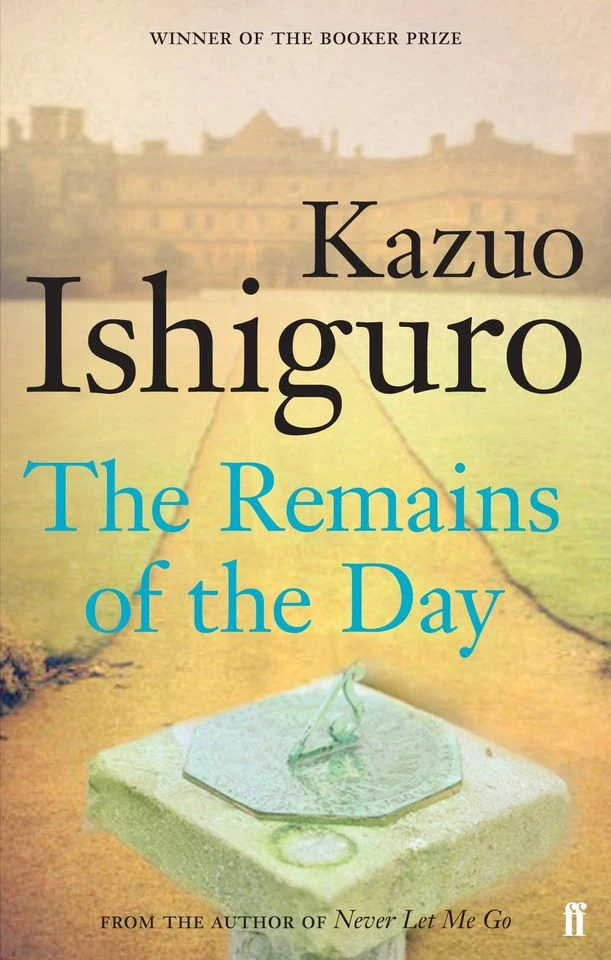
"The Remains of the Day" by Kazuo Ishiguro: A Timeless British Classic
"The Remains of the Day", penned by the acclaimed British author Kazuo Ishiguro, stands as a testament to the profound ability of literature to convey the very essence of human nature. First published in 1989, this masterful novel has captured the hearts and minds of readers around the globe, securing its place as a cornerstone of British literary heritage.
A Brief Overview
At its core, "The Remains of the Day" delves into the life of Stevens, a quintessential English butler who served at the grand Darlington Hall. As Stevens embarks on a reflective road trip across the English countryside, the novel elegantly traverses between his present journey and poignant memories of his past service. Through Stevens’ introspective narrative, readers are drawn into a rich exploration of themes such as duty, loyalty, and unspoken love.
The Author
Kazuo Ishiguro, born in Nagasaki, Japan, in 1954, moved to England with his family at the age of five. His diverse background and profound understanding of British culture shine through in his work. Ishiguro’s ability to blend subtle emotional depth with incisive commentary on social and historical issues has earned him a distinct and revered position in modern literature. His achievements were further recognised when he was awarded the Nobel Prize in Literature in 2017.
Themes and Narrative
Stevens epitomises the traditional, dutiful butler, unwavering in his loyalty to Lord Darlington, the gentleman he serves. The novel captures the essence of British stoicism and the rigid social hierarchies of the early 20th century. As Stevens recalls his past, his unwavering commitment to duty and his suppression of personal emotions, particularly his unspoken love for the housekeeper, Miss Kenton, are laid bare.
Through Stevens’s memories, Ishiguro subtly critiques the misplaced loyalty to an employer whose moral compass proves questionable. Lord Darlington’s political sympathies during the interwar period add a historical dimension to the story, reflecting the troubled times.
Success and Impact
"The Remains of the Day" was met with widespread critical acclaim. It won the Booker Prize for Fiction in 1989, cementing Ishiguro's status as a significant literary figure. The depth and elegance of the prose, combined with the vivid depiction of a vanishing world of British aristocracy, resonated deeply with readers.
The novel's success extended beyond the literary world when it was adapted into an award-winning film in 1993, starring Sir Anthony Hopkins and Emma Thompson. The film brought Stevens' poignant tale to a wider audience, further enhancing the book’s legacy.
Contribution to British Legacy
The novel's reflection on duty, moral integrity, and personal loss contributes profoundly to the British literary canon. It provides a window into the intricate social mores and upheavals of a bygone era while exploring universal themes that continue to resonate today. Ishiguro’s nuanced storytelling and his exploration of human vulnerability offer rich material for reflection on both personal and societal levels.
Wrap-Up
Kazuo Ishiguro’s "The Remains of the Day" remains an eminent work within British literature, cherished for its melancholic beauty and profound wisdom. It is a quintessentially British tale that resonates across cultures and time, offering introspection on duty, loyalty, and the human condition.
For those seeking to delve into this timeless classic, "The Remains of the Day" is available for purchase on Amazon.
Discover the profound insights and enduring legacy of "The Remains of the Day" and let Kazuo Ishiguro's poignant narrative captivate your heart and mind.