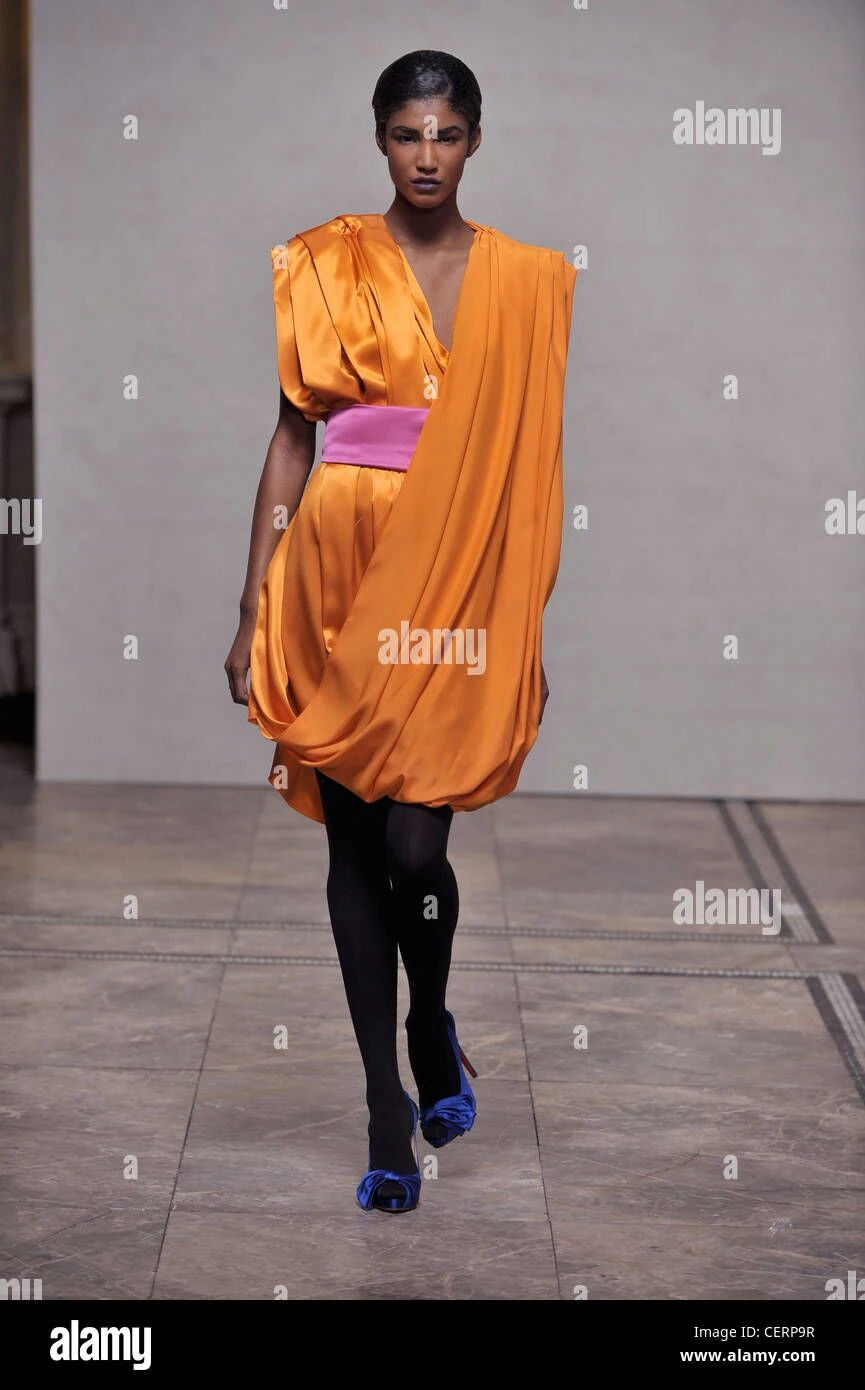
Roksanda Ilincic’s fashion is built around colour and shape. Her collections pair strong hues and softer tones with garments shaped into structured dresses and flowing gowns. The Serbian-born designer developed her label in London, drawing on earlier studies in architecture and applied arts to create a distinctive approach to clothing.
From architecture to fashion
Ilincic came to London to study fashion at Central Saint Martins College of Art and Design, after first pursuing architecture and applied arts. The supplied account connects those interests to her later work: garments that treat silhouette and volume as carefully considered forms, rather than relying on colour alone for impact.
She launched her eponymous label in 2005. Its collections became known for bold colour alongside subtler pastels, and for sculptural shapes that include structured dresses and flowing gowns. These contrasts give the clothes a visual presence while allowing different kinds of form and movement. The original account describes the designs as both strong and graceful; more concretely, it points to the interplay of fabric, volume and silhouette as a defining feature.
A label with a public profile
Ilincic’s designs have appeared on red carpets and, according to the supplied article, have been worn by the Duchess of Cambridge, Michelle Obama and Cate Blanchett. That range of high-profile wearers helped bring attention to the label beyond fashion presentations. The article also describes the brand as prestigious, though offers no specific measure of that standing.
The supplied account associates Ilincic with the Design Museum and says she has mentored young designers. It presents those activities as part of her contribution to arts and education, alongside her design work. These details suggest a role extending beyond the creation of collections, although the source provides no dates or examples of particular projects.
Quality and sustainability claims
The original article characterises Ilincic’s approach as favouring quality over quantity and says the label is committed to sustainable practices and ethical production. It gives no specific production methods, materials or initiatives to illustrate those claims. They are therefore best understood here as the supplied article’s description of the brand, rather than as independently established measures of its environmental performance.
This qualification matters in fashion, where broad statements about sustainability can obscure the practical details behind a garment’s production. The available account offers a clear description of Ilincic’s visual language, but less detail about how the business puts its stated priorities into practice.
Why Roksanda Ilincic deserves a place in British Legacy
Ilincic’s place in British Legacy rests on a specific connection: she developed her fashion education and launched her eponymous label in London. The supplied account describes a designer whose work brings architectural thinking into clothing, using colour, volume and silhouette to distinguish collections from more conventional shapes. Her structured dresses and flowing gowns make that approach legible, while the mix of vivid hues and pastels gives the label a recognisable visual character.
The article also records a wider public profile through red-carpet appearances and prominent wearers, and reports involvement with the Design Museum and mentoring young designers. Taken together, these details place her contribution in both design and the wider fashion community. The evidence supplied does not establish the scale or outcomes of that mentoring, nor substantiate the label’s sustainability claims in detail; the strongest basis for her British legacy remains the London-based development of a distinctive design practice and label.